Radiation Dose Optimization in Dental X-Ray Imaging: ALARA Principles and Advanced Techniques

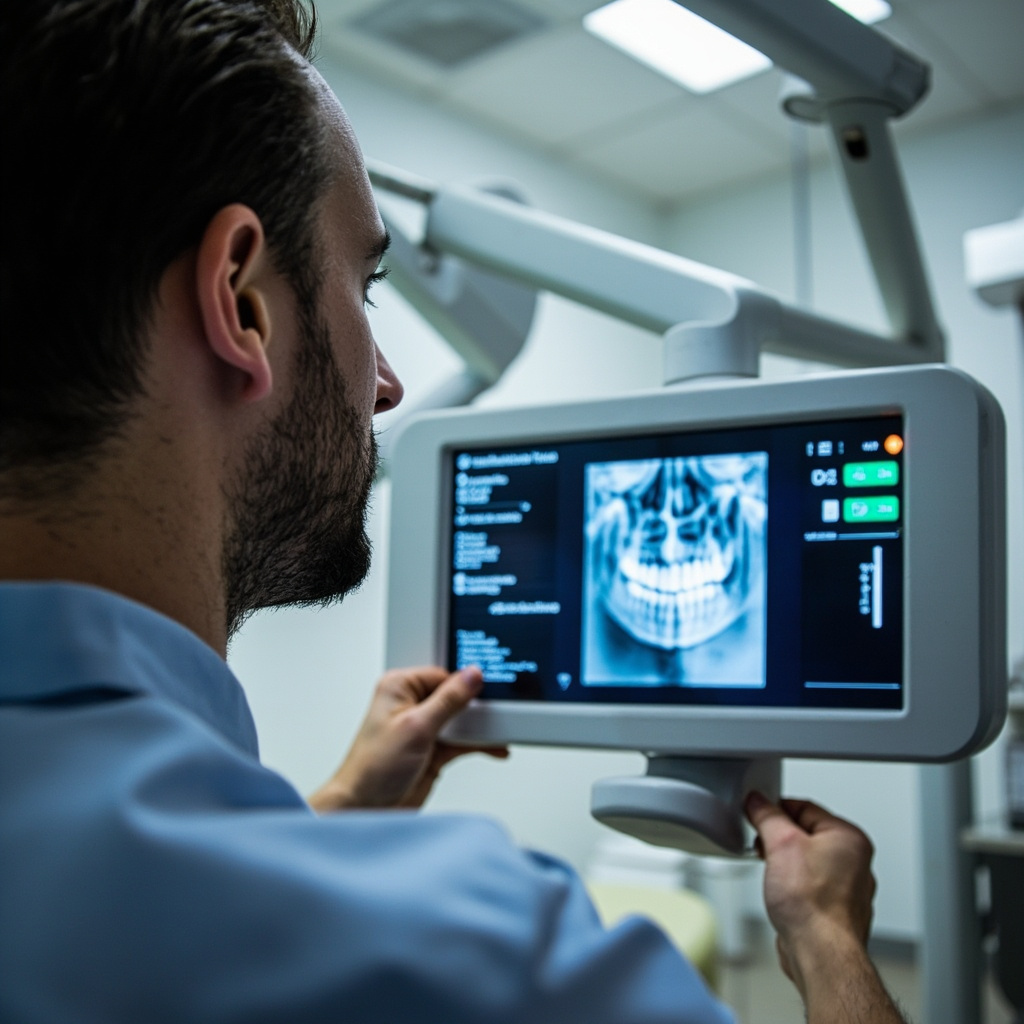
In modern dental practice, balancing diagnostic image quality with patient safety requires implementing advanced radiation dose optimization techniques. The ALARA principle (As Low As Reasonably Achievable) serves as the foundation for all dental radiographic procedures, ensuring patients receive the minimum radiation exposure necessary for accurate diagnosis.
Understanding ALARA Principles in Dental Radiography
The ALARA principle mandates that every radiographic exposure should deliver the lowest possible radiation dose while maintaining diagnostic quality. This approach involves three key strategies: reducing exposure time, maximizing distance from the radiation source, and implementing proper shielding techniques.
Modern digital radiography systems can achieve dose reductions of up to 90% compared to conventional film-based systems, while simultaneously improving image quality and diagnostic capabilities. These systems utilize advanced sensor technologies and sophisticated image processing algorithms to optimize exposure parameters automatically.
Advanced Filtration and Collimation Techniques
Implementing proper beam filtration represents one of the most effective methods for dose reduction without compromising image quality. Adding 1.0mm of aluminum filtration to the X-ray tube head significantly improves beam quality by filtering out low-energy photons that contribute only to patient dose without enhancing image formation.
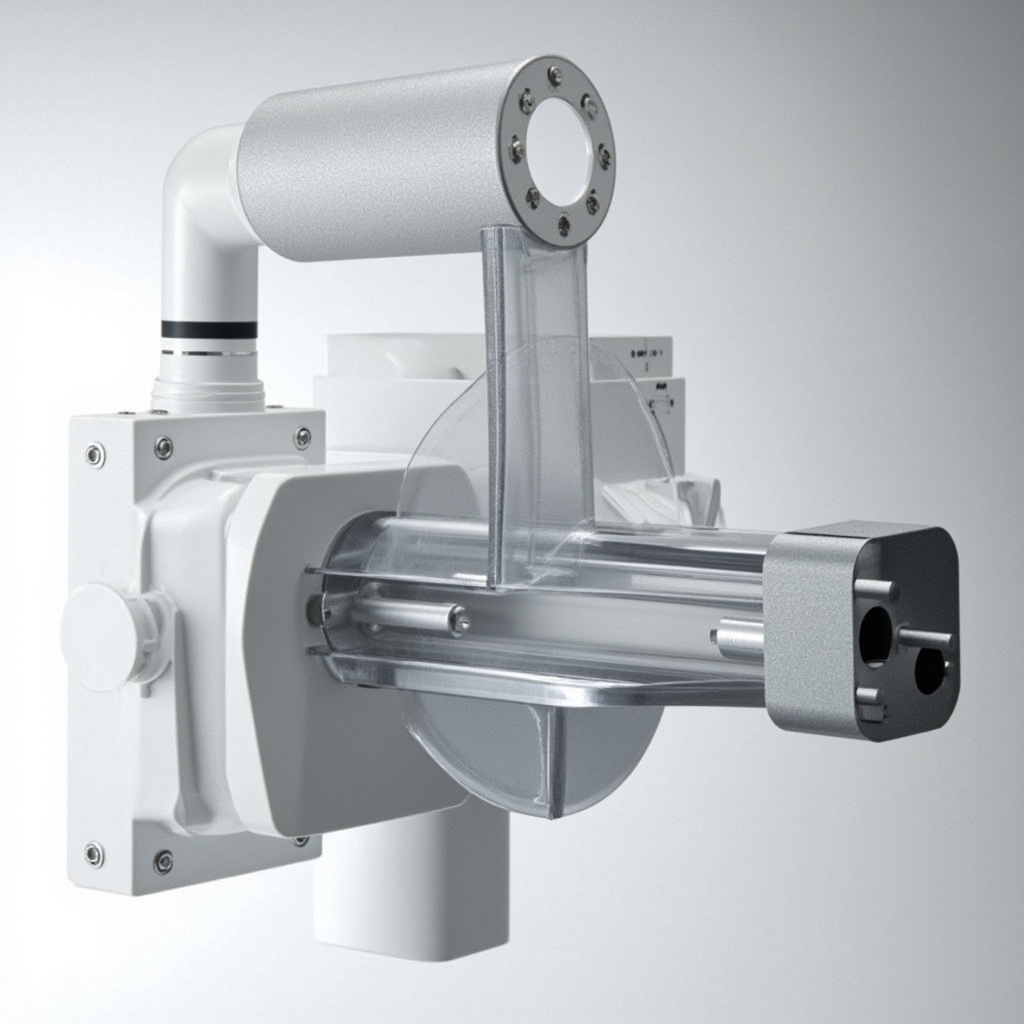
Rectangular collimation reduces the irradiated tissue volume by up to 60% compared to round collimation, dramatically decreasing patient exposure while maintaining diagnostic information. This technique is particularly effective for intraoral radiography, where precise beam restriction directly correlates with dose reduction.
Optimization Parameters and Quality Assurance
Establishing standardized exposure protocols based on patient size, anatomy, and clinical requirements ensures consistent image quality while minimizing radiation exposure. Regular calibration of equipment parameters, including kVp accuracy, timer precision, and output consistency, maintains optimal performance and prevents unnecessary repeat exposures.
Implementation of comprehensive quality assurance programs should include periodic evaluation by qualified medical physics professionals. These assessments verify that equipment produces clinically acceptable images at the lowest possible patient radiation dose while ensuring personnel safety protocols remain effective.
Digital Processing and Image Enhancement
Modern digital radiography systems incorporate sophisticated image processing algorithms that enhance diagnostic information from lower-dose exposures. These technologies include noise reduction filters, contrast enhancement, and edge sharpening capabilities that improve image interpretation without requiring higher radiation doses.
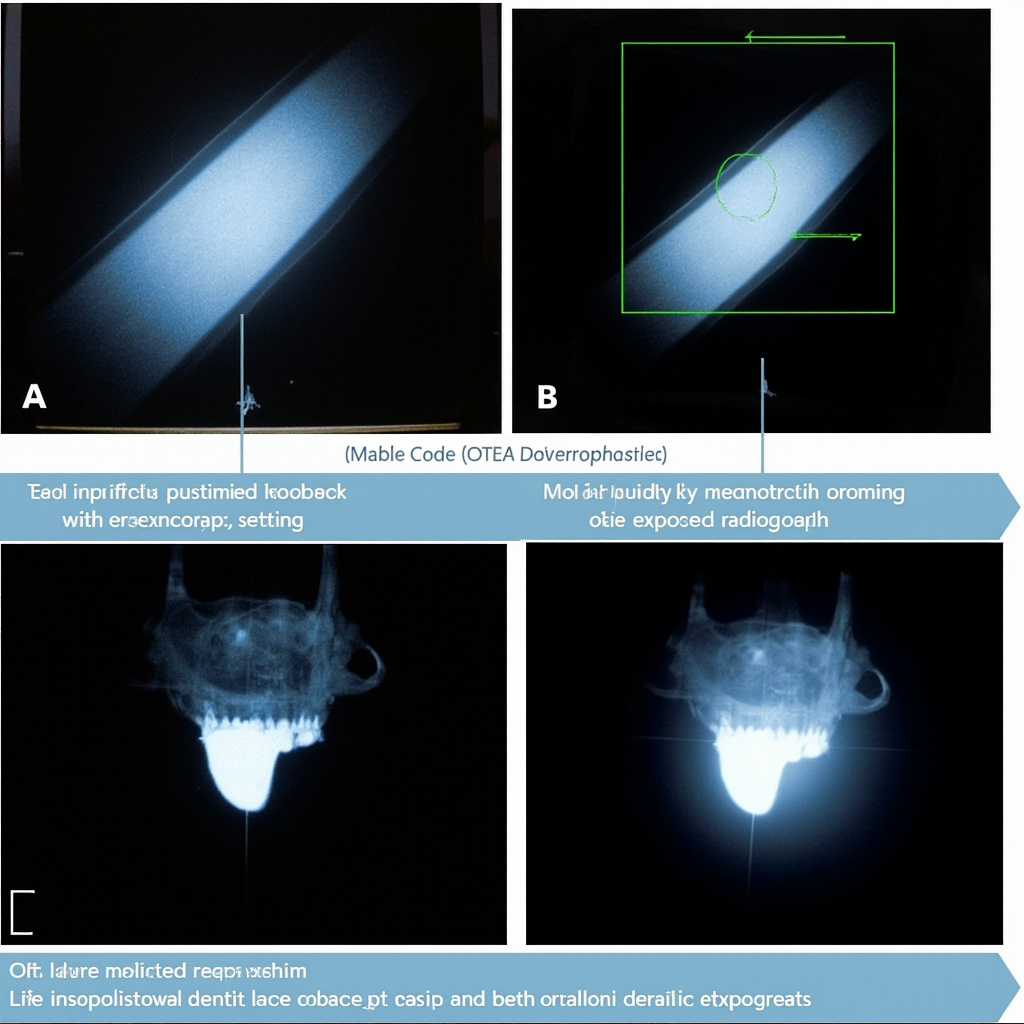
Proper sensor positioning and technique standardization prevent retakes, which represent one of the largest sources of unnecessary patient exposure in dental radiography. Staff training on positioning aids, patient positioning techniques, and quality control procedures significantly reduces radiation dose through improved first-time success rates.
By implementing these advanced dose optimization techniques, dental practices can achieve significant radiation dose reductions while maintaining or improving diagnostic image quality, demonstrating commitment to patient safety and regulatory compliance.