Digital X-Ray Sensor Troubleshooting: Common Issues and Solutions for 2026

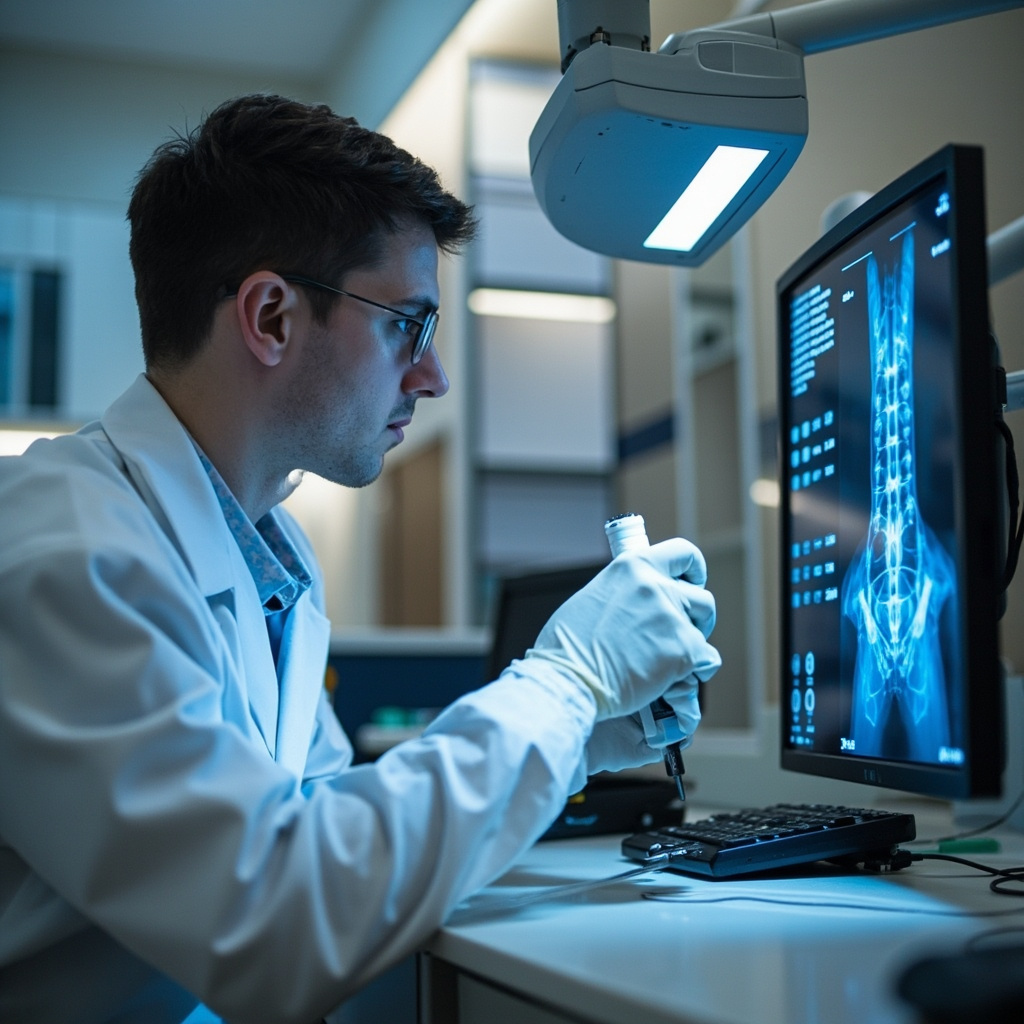
Digital X-ray sensors have revolutionized dental radiography, but even the most advanced systems can experience technical issues that affect image quality and workflow efficiency. Understanding common problems and their solutions can help dental professionals maintain optimal diagnostic capabilities while minimizing downtime.
Common Digital X-Ray Sensor Issues
Digital radiography sensors, while more reliable than traditional film systems, can develop several types of problems that impact image quality and practice productivity. The most frequent issues include connectivity problems, image artifacts, exposure inconsistencies, and gradual sensor degradation.
Image Quality Problems
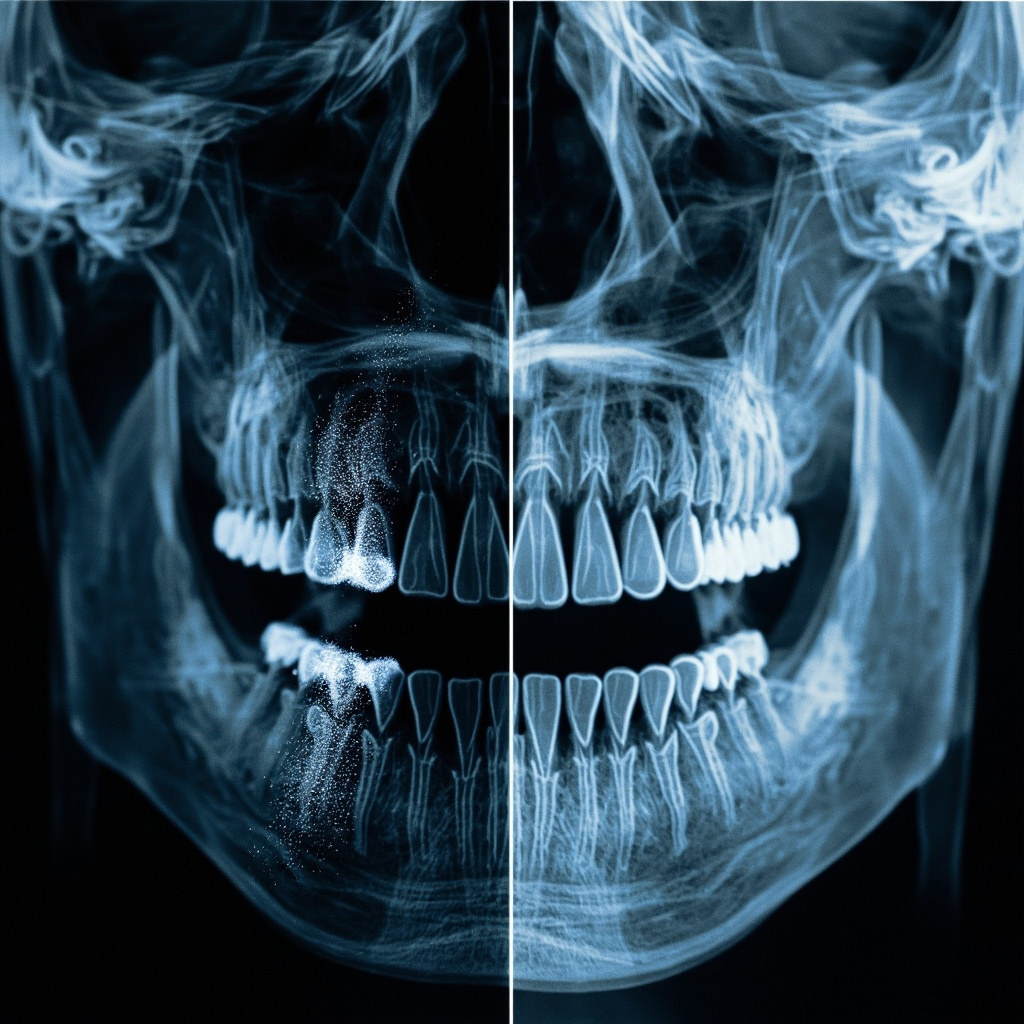
Poor image quality is often the first sign that a digital sensor requires attention. Common symptoms include:
- Excessive noise or grain in images
- Lines or streaks across radiographs
- Dark or light bands
- Reduced contrast or sharpness
- Color shifts or tinting
These issues typically stem from sensor calibration problems, accumulated debris on the sensor surface, or internal component wear. Regular calibration checks and proper cleaning protocols can prevent many quality-related problems.
Sensor Connectivity and Software Issues
Modern dental practices rely heavily on seamless integration between X-ray hardware and practice management software. Connection problems can manifest as:
- Sensor not detected by imaging software
- Intermittent connection drops
- Slow image acquisition times
- Software crashes during image capture
USB connectivity issues are particularly common, especially with older sensors using USB 2.0 connections. Checking cable integrity, updating drivers, and ensuring proper software configuration often resolve these problems.
Exposure Setting Optimization
Many dental professionals rely too heavily on automatic exposure settings, which may not be optimal for every sensor type or patient situation. Digital sensors have different sensitivity characteristics compared to traditional film, requiring careful attention to:
- kVp and mA settings appropriate for the sensor
- Exposure time adjustments for patient size and anatomy
- Beam collimation and positioning
- Patient positioning consistency
Manual adjustment of exposure parameters often yields better results than preset automatic modes, particularly for challenging anatomical areas or patients with unique characteristics.
Preventive Maintenance Best Practices
Proper sensor maintenance extends equipment life and maintains image quality. Essential maintenance procedures include:
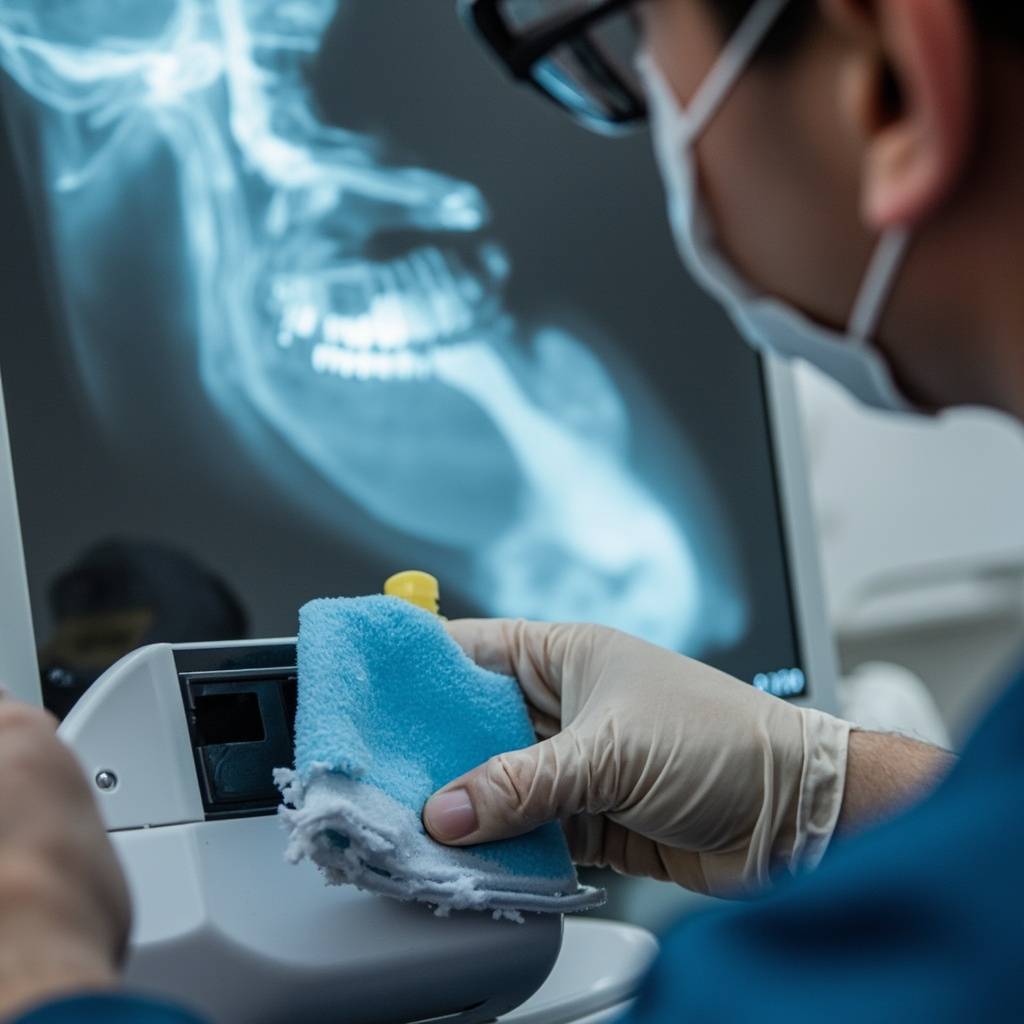
Daily Cleaning Protocol
Digital sensors require careful cleaning after each patient to prevent cross-contamination and maintain image quality. Use only manufacturer-approved cleaning solutions and avoid abrasive materials that could damage the sensor surface.
Regular Calibration
Sensor calibration should be performed according to manufacturer recommendations, typically monthly or after any significant exposure setting changes. This process ensures consistent image quality and optimal sensor performance.
Environmental Considerations
Digital sensors are sensitive to temperature and humidity changes. Maintaining stable environmental conditions and allowing sensors to acclimate to room temperature before use can prevent condensation-related image artifacts.
When to Consider Sensor Replacement
Despite proper maintenance, digital sensors eventually require replacement. Key indicators include:
- Persistent image quality issues despite troubleshooting
- Frequent connection problems
- Physical damage to sensor housing or cables
- Manufacturer discontinuation of support or updates
Modern sensors typically last 7-10 years with proper care, though high-volume practices may see shorter lifespans due to increased wear.
Conclusion
Effective digital X-ray sensor troubleshooting requires a systematic approach combining proper maintenance, careful attention to exposure settings, and regular performance monitoring. By implementing these practices, dental professionals can maximize their imaging investment while ensuring consistent diagnostic quality for patient care.
Regular training on equipment operation and troubleshooting techniques helps staff identify and resolve issues quickly, minimizing disruption to patient schedules and maintaining practice efficiency.