Automatic Exposure Control (AEC) Sensor Calibration and Troubleshooting in Dental X-Ray Equipment

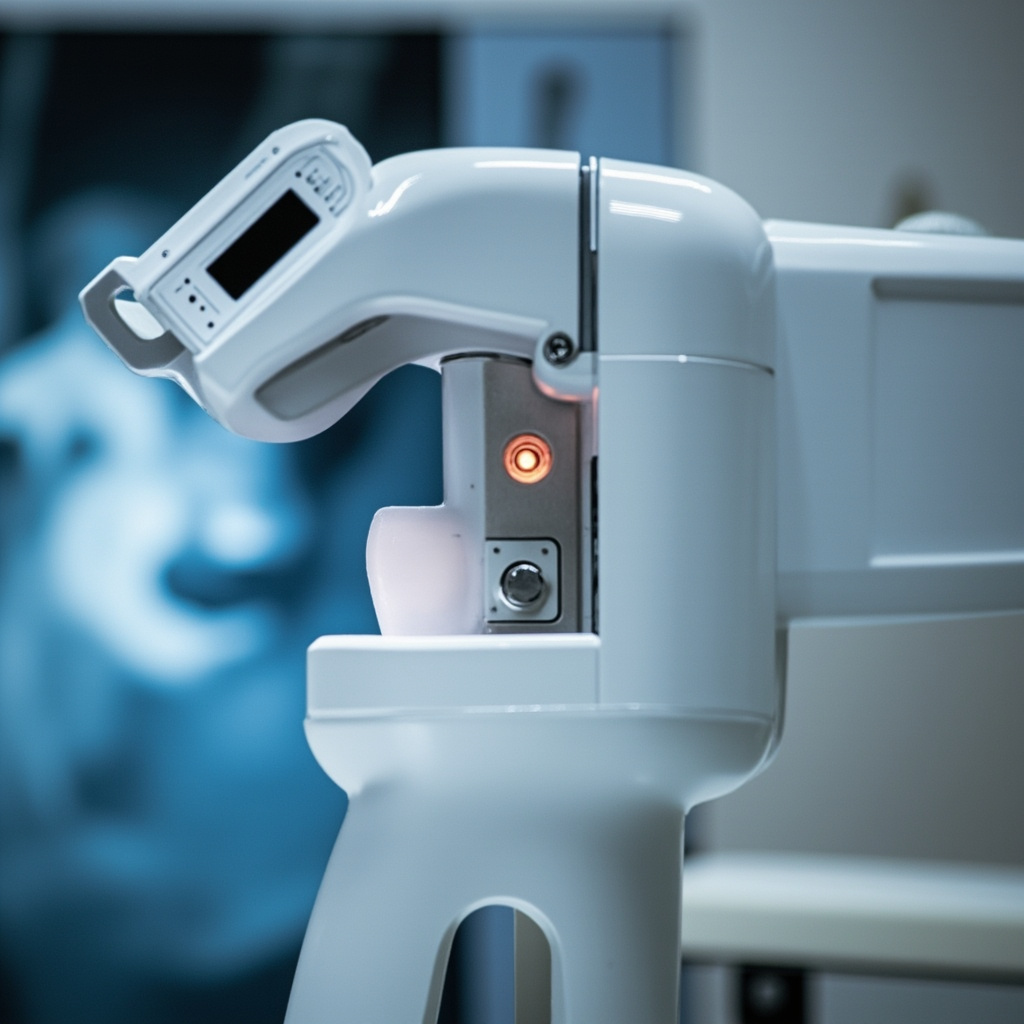
Automatic Exposure Control (AEC) systems are critical components in modern dental X-ray equipment, ensuring consistent image quality while minimizing radiation exposure to patients. However, when AEC sensors fall out of calibration or malfunction, they can significantly impact diagnostic image quality and workflow efficiency. This comprehensive guide covers the essential calibration procedures and troubleshooting techniques for dental AEC systems.
Understanding AEC Photocell Sensor Operation
AEC systems function by measuring the amount of radiation transmitted through the patient using specialized photocell sensors or ionization chambers. These sensors convert radiation into electrical signals that terminate the X-ray exposure when a predetermined threshold is reached. The calibration of these sensors determines the optical density and contrast characteristics of the final radiographic image.
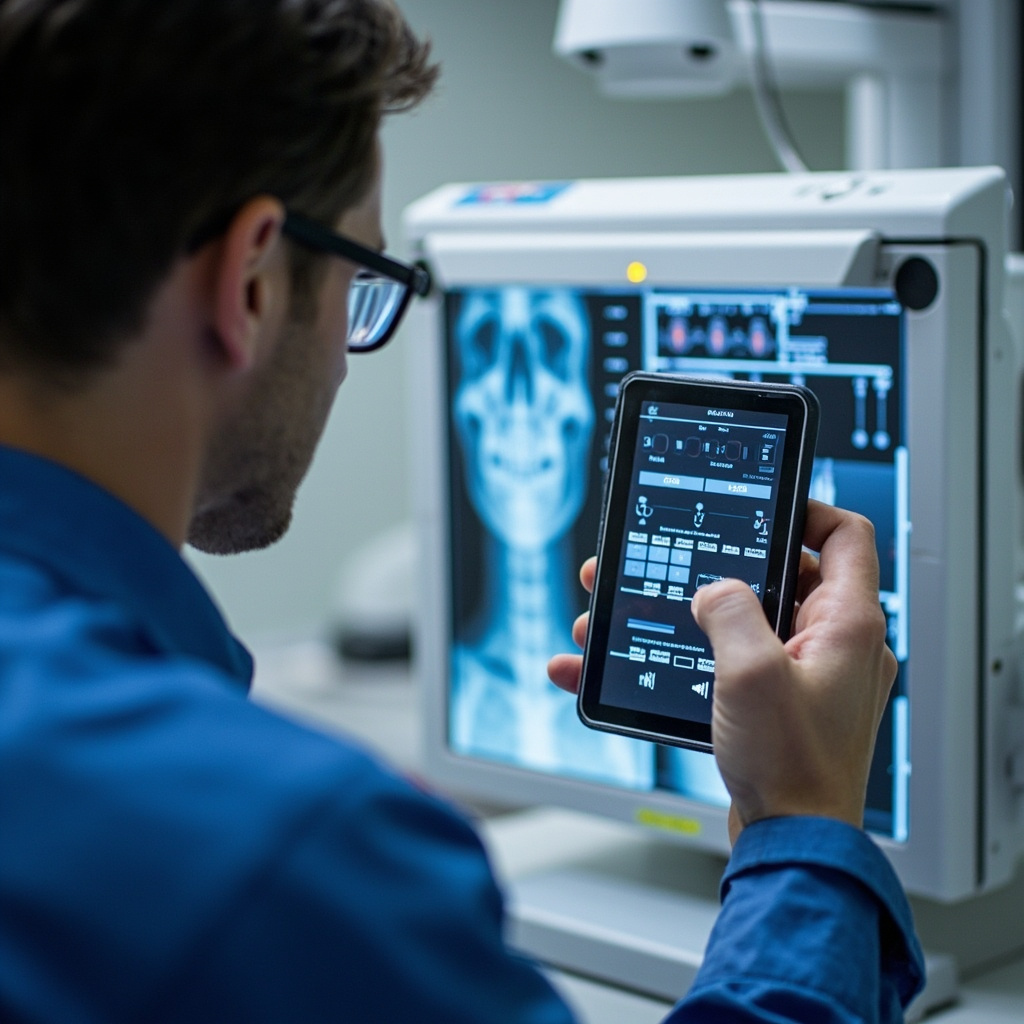
Modern digital dental X-ray systems rely on precise AEC calibration to maintain consistent detector dose indicator (DDI) values and signal-to-noise ratios across varying tube potentials and patient anatomical differences.
Common AEC Calibration Issues and Symptoms
Several indicators suggest that your AEC system requires recalibration or maintenance:
- Inconsistent image density – Images appear too light or too dark despite proper technique selection
- Excessive retakes – Higher frequency of repeat exposures due to poor image quality
- Erratic exposure times – Unpredictable variation in automatic exposure durations
- Sensor drift – Gradual change in calibration over time, particularly noticeable with phantom testing
- Temperature sensitivity – Performance changes with ambient temperature fluctuations
Diagnostic Testing Procedures
Begin AEC troubleshooting with systematic phantom testing using standardized acrylic or aluminum phantoms. Document baseline measurements and compare against manufacturer specifications to identify calibration drift patterns.
Step-by-Step Calibration Protocol
Professional AEC calibration requires specialized test equipment and should be performed by qualified service technicians. However, understanding the process helps dental professionals recognize calibration issues:
Pre-calibration preparation:
- Ensure X-ray tube warmup according to manufacturer specifications
- Verify stable line voltage and temperature conditions
- Clean photocell sensors and remove any debris or contamination
- Check mechanical alignment of sensors relative to the X-ray beam
Calibration sequence:
- Access service mode through manufacturer-specific procedures
- Set baseline reference values using standardized phantoms
- Adjust sensitivity curves for different kV settings
- Verify linearity across the full operating range
- Test backup timer functionality and failsafe systems
- Document all calibration values and settings
Preventive Maintenance Strategies
Regular maintenance prevents many AEC calibration issues before they affect image quality:
- Monthly cleaning – Gently clean sensor surfaces with manufacturer-approved solutions
- Quarterly phantom testing – Document performance trends using consistent test protocols
- Annual professional calibration – Schedule comprehensive service including electronic adjustments
- Environmental monitoring – Maintain stable temperature and humidity in equipment areas
When to Contact Service Support
Contact qualified service technicians immediately if you observe:
- Phantom test results outside acceptable tolerance ranges
- Intermittent sensor failures or backup timer activation
- Visible damage to sensor assemblies or connecting cables
- Error codes related to exposure control systems
Advanced Troubleshooting Considerations
Modern digital radiography systems present unique challenges for AEC calibration due to the wide dynamic range of digital detectors compared to conventional film systems. Calibration must account for detector characteristics, image processing algorithms, and display monitor settings that affect perceived image quality.
Additionally, facilities using multiple detector types (direct digital sensors, phosphor plates, film) may require separate AEC calibration profiles to optimize image quality for each receptor technology.
Proper AEC sensor calibration ensures consistent, high-quality diagnostic images while maintaining radiation protection principles. Regular monitoring, preventive maintenance, and professional calibration services are essential components of any comprehensive dental X-ray quality assurance program.