Dental PACS Integration: Streamlining X-Ray Workflow and Data Management in 2026

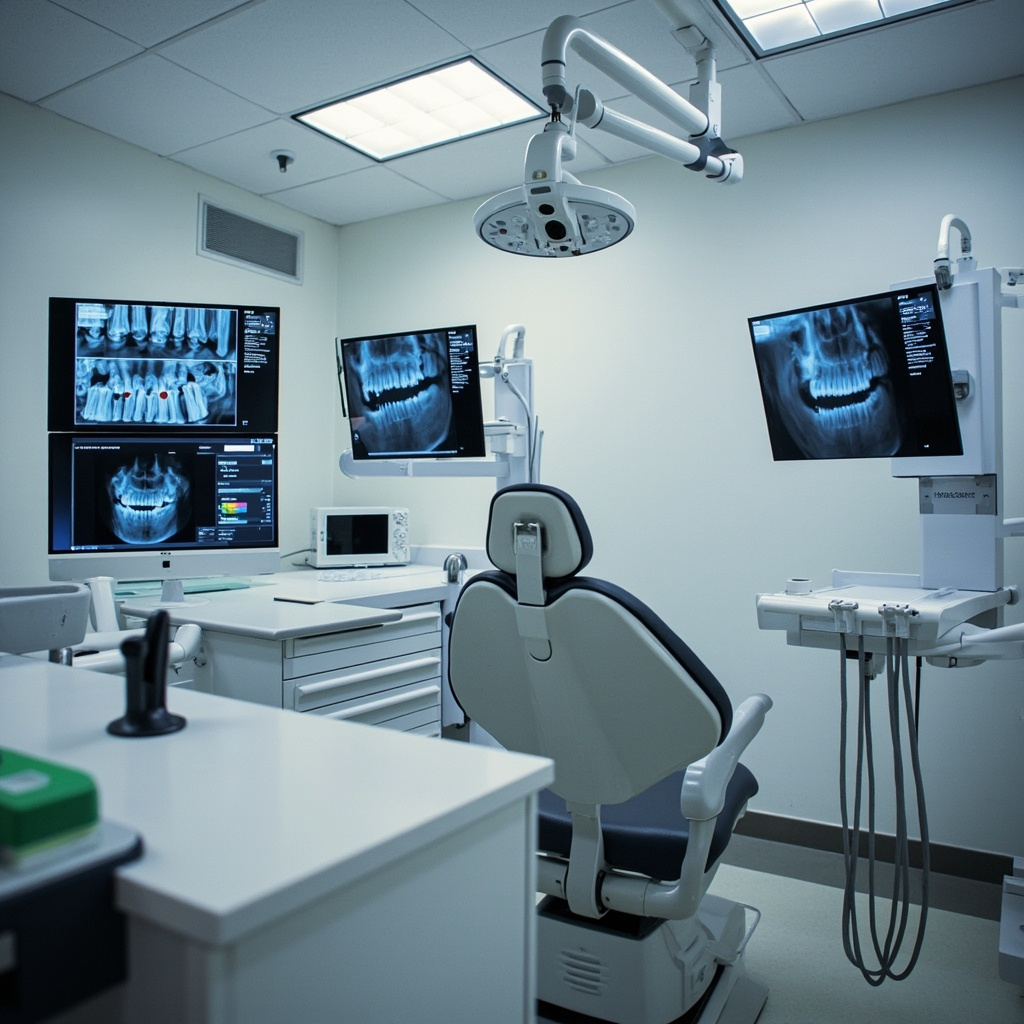
Picture Archiving and Communication Systems (PACS) have revolutionized dental radiography, transforming how dental practices manage, store, and access X-ray images. As we advance through 2026, the integration of dental X-ray equipment with sophisticated PACS solutions has become essential for efficient workflow management and optimal patient care.
Understanding PACS Integration in Dental Practice
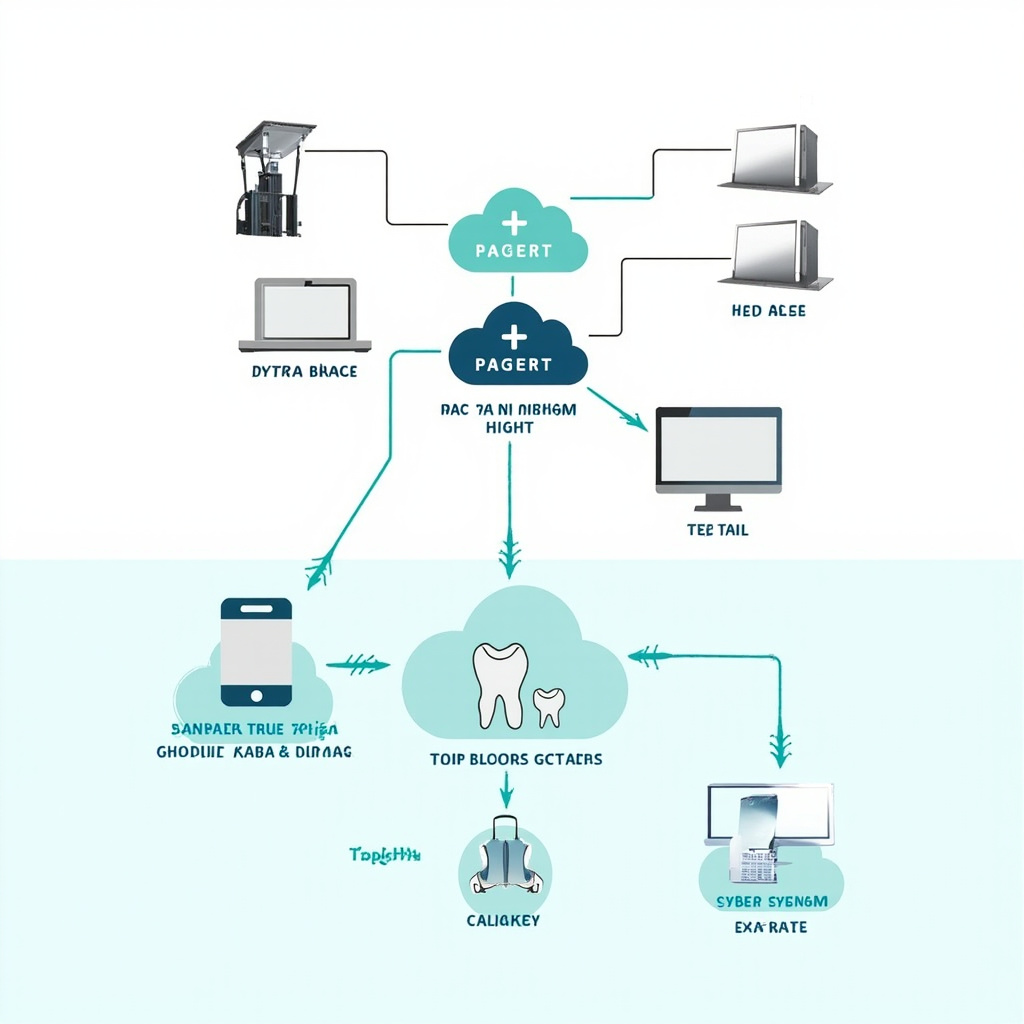
Modern dental PACS systems serve as the central hub for all digital radiographic data, enabling seamless communication between X-ray equipment, practice management software, and clinical workstations. Unlike traditional film-based systems, PACS integration allows instant image acquisition, processing, and distribution across multiple devices and locations.
The integration process typically involves DICOM (Digital Imaging and Communications in Medicine) protocols, which ensure standardized communication between different imaging devices and software platforms. This standardization is crucial for practices using equipment from multiple manufacturers.

Key Benefits of Integrated PACS Workflow
Enhanced Diagnostic Efficiency
Integrated PACS systems dramatically reduce the time between image acquisition and diagnostic review. Dental professionals can access radiographs immediately upon capture, enabling faster diagnosis and treatment planning. The system automatically routes images to designated workstations, eliminating the need for manual file transfers.
Improved Image Quality and Consistency
Modern PACS solutions include advanced image processing algorithms that automatically optimize contrast, brightness, and sharpness. These systems maintain consistent image quality across different X-ray units and viewing devices, ensuring reliable diagnostic information regardless of the acquisition parameters.
Streamlined Patient Management
Integration with practice management software allows automatic patient identification and image association. The system can automatically populate patient demographics, insurance information, and clinical notes, reducing administrative overhead and minimizing data entry errors.
Technical Requirements and Infrastructure
Network Architecture
Successful PACS implementation requires robust network infrastructure capable of handling large image files. Modern dental practices typically need gigabit Ethernet connections and sufficient bandwidth to support simultaneous image transfers from multiple X-ray units.
Storage Solutions
PACS systems require significant storage capacity for long-term image archiving. Cloud-based solutions have become increasingly popular, offering scalable storage with automatic backup and disaster recovery capabilities. Local storage systems provide faster access times but require regular maintenance and backup procedures.
Security and Compliance Considerations
HIPAA Compliance
PACS integration must maintain strict adherence to HIPAA regulations, ensuring patient privacy and data security. This includes encrypted data transmission, secure user authentication, and comprehensive audit trails for all image access and modifications.
Data Integrity and Backup
Integrated systems must implement redundant backup strategies to prevent data loss. This typically involves automated daily backups to both local and cloud storage systems, with regular testing of backup integrity and recovery procedures.
Implementation Best Practices
Staff Training and Workflow Adaptation
Successful PACS integration requires comprehensive staff training on new workflows and software interfaces. Practices should allocate sufficient time for training and gradual system implementation to minimize disruption to patient care.
Vendor Selection and Support
Choosing the right PACS vendor involves evaluating technical capabilities, integration features, customer support quality, and long-term viability. Practices should prioritize vendors with proven experience in dental applications and strong technical support teams.
Future Trends in Dental PACS Integration
Artificial intelligence integration is becoming increasingly important in dental PACS systems. AI-powered image analysis can assist with diagnostic interpretation, automatically detect anomalies, and provide decision support tools for dental professionals.
Mobile accessibility is another growing trend, with PACS systems now offering secure mobile applications that allow dentists to review images and approve treatment plans from anywhere, improving practice efficiency and patient communication.
Conclusion
PACS integration represents a critical advancement in dental radiography, offering significant benefits in efficiency, image quality, and patient care. As technology continues to evolve, practices that invest in robust PACS solutions will be better positioned to provide optimal diagnostic services while maintaining efficient operations and regulatory compliance.
The key to successful implementation lies in careful planning, proper infrastructure investment, and comprehensive staff training. With these elements in place, dental practices can leverage PACS integration to transform their radiographic workflows and enhance patient care delivery.