Dental X-Ray Power Supply Issues: Diagnosing and Resolving Voltage Problems

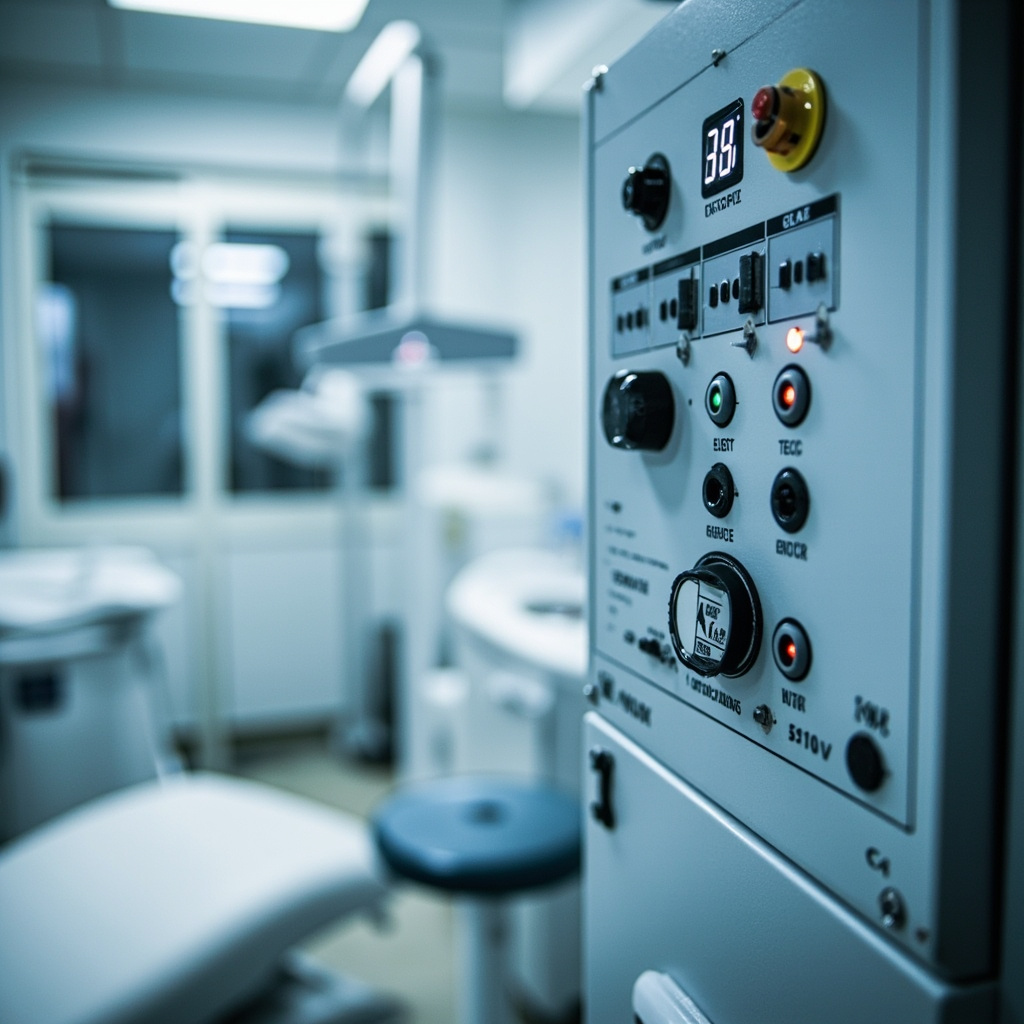
Power supply problems can severely impact dental X-ray equipment performance, leading to inconsistent image quality, equipment failures, and costly downtime. Understanding how to diagnose and resolve voltage-related issues is essential for maintaining reliable X-ray operations in your dental practice.
Common Power Supply Problems in Dental X-Ray Equipment
Dental X-ray systems are sensitive to electrical fluctuations and require stable power to function optimally. The most frequent power-related issues include:
- Voltage fluctuations: Inconsistent power delivery causing exposure variations
- Power surges: Sudden voltage spikes that can damage sensitive components
- Brownouts: Temporary voltage drops that affect image quality
- Electrical noise: Interference from other equipment causing image artifacts
- Ground faults: Improper grounding leading to safety and performance issues
Diagnostic Procedures for Power Supply Issues
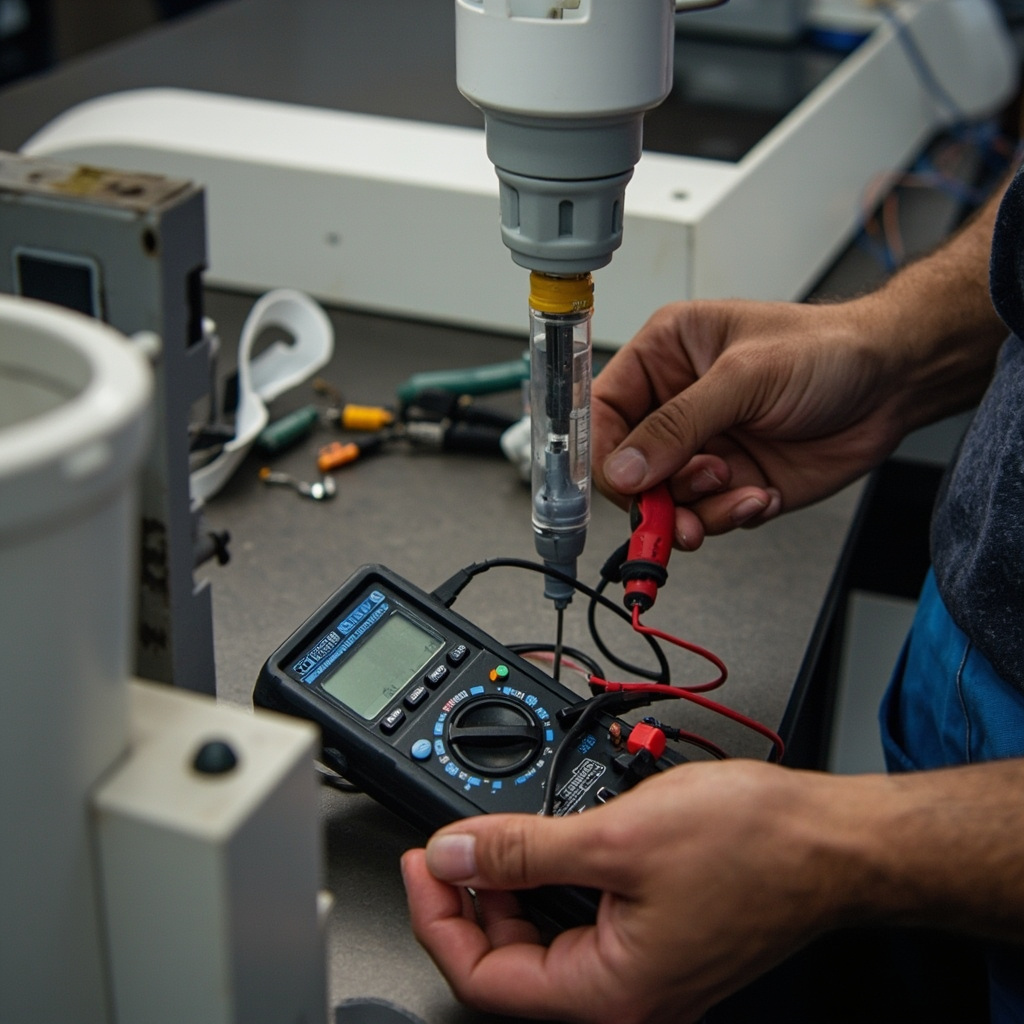
Proper diagnosis begins with systematic testing of your electrical infrastructure:
Voltage Testing
Use a quality multimeter to measure:
- Supply voltage at the main panel (should be 208-240V for most dental X-ray units)
- Voltage at the X-ray unit connection point
- Voltage under load during X-ray exposures
- Ground continuity and resistance
Load Analysis
Examine your electrical system capacity:
- Calculate total amperage draw during X-ray operation
- Identify other high-draw equipment on the same circuit
- Check for proper circuit sizing and breaker ratings
- Verify adequate power distribution for peak demand periods
Resolution Strategies
Once you’ve identified power supply issues, implement these targeted solutions:
Voltage Stabilization
Install voltage regulation equipment to ensure consistent power delivery:
- Automatic voltage regulators (AVRs): Compensate for minor voltage fluctuations
- Uninterruptible power supplies (UPS): Provide clean, consistent power and backup during outages
- Isolation transformers: Reduce electrical noise and provide clean power
Circuit Improvements
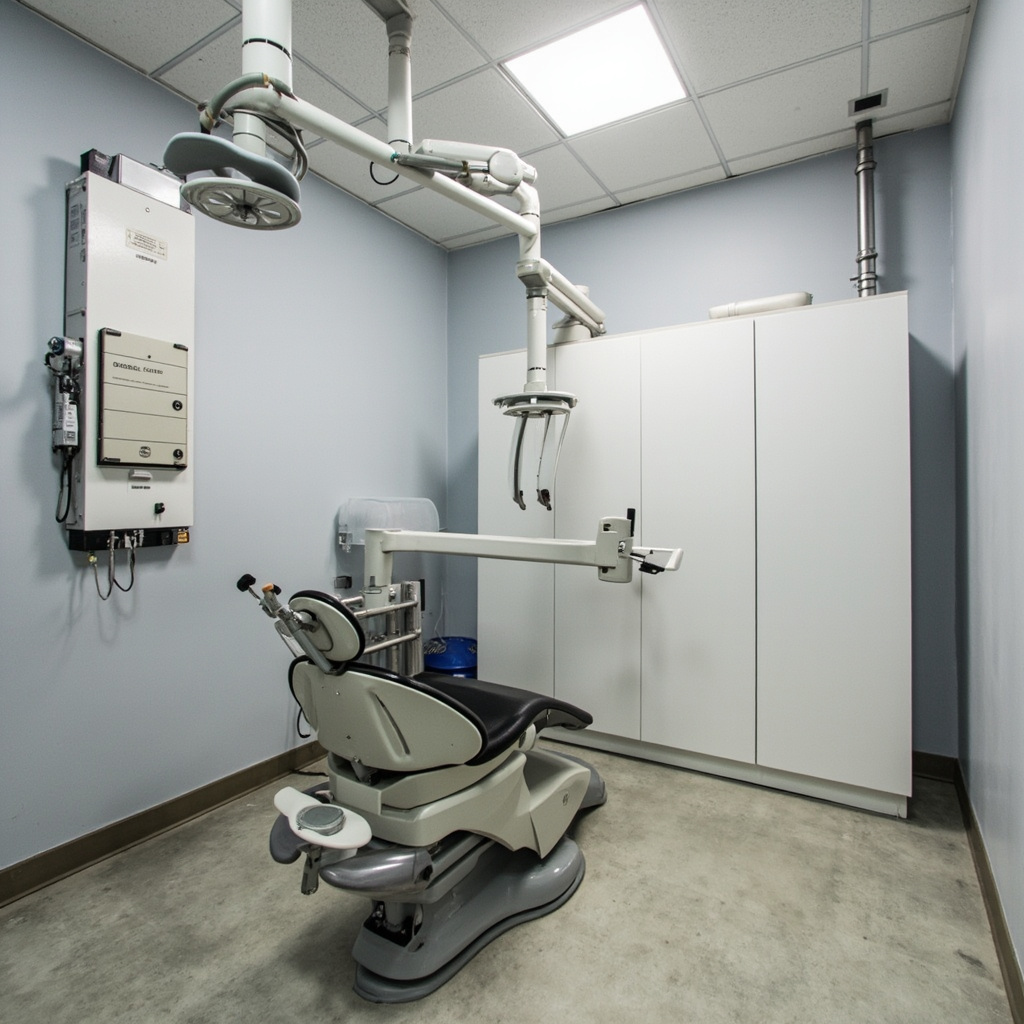
Upgrade your electrical infrastructure when necessary:
- Install dedicated circuits for X-ray equipment
- Upgrade to appropriate wire gauge for your equipment’s amperage requirements
- Ensure proper grounding throughout the electrical system
- Add surge protection devices at the panel and equipment level
Preventive Maintenance
Regular maintenance prevents many power-related problems:
- Monthly inspections: Check all power connections, cables, and terminations
- Quarterly testing: Measure voltage, current, and ground resistance
- Annual assessments: Comprehensive electrical system evaluation by qualified technicians
- Environmental monitoring: Track temperature and humidity in equipment areas
When to Call Professionals
While some basic troubleshooting can be performed in-house, certain situations require professional intervention:
- Repeated power supply failures or equipment damage
- Complex electrical system modifications or upgrades
- Safety concerns related to grounding or electrical hazards
- Regulatory compliance issues or inspection requirements
Cost-Benefit Analysis
Investing in power quality solutions pays dividends through:
- Reduced downtime: Fewer equipment failures and service calls
- Extended equipment life: Protection from electrical stress and damage
- Improved image quality: Consistent exposures and diagnostic reliability
- Lower operating costs: Reduced energy consumption and maintenance expenses
Power supply issues don’t have to disrupt your dental practice operations. With proper diagnosis, targeted solutions, and preventive maintenance, you can ensure reliable X-ray performance and protect your investment in imaging equipment. Regular monitoring and professional support when needed will keep your dental X-ray systems operating at peak efficiency.