Digital X-Ray Equipment for New Dental Clinics in 2026: Essential Buyer’s Guide

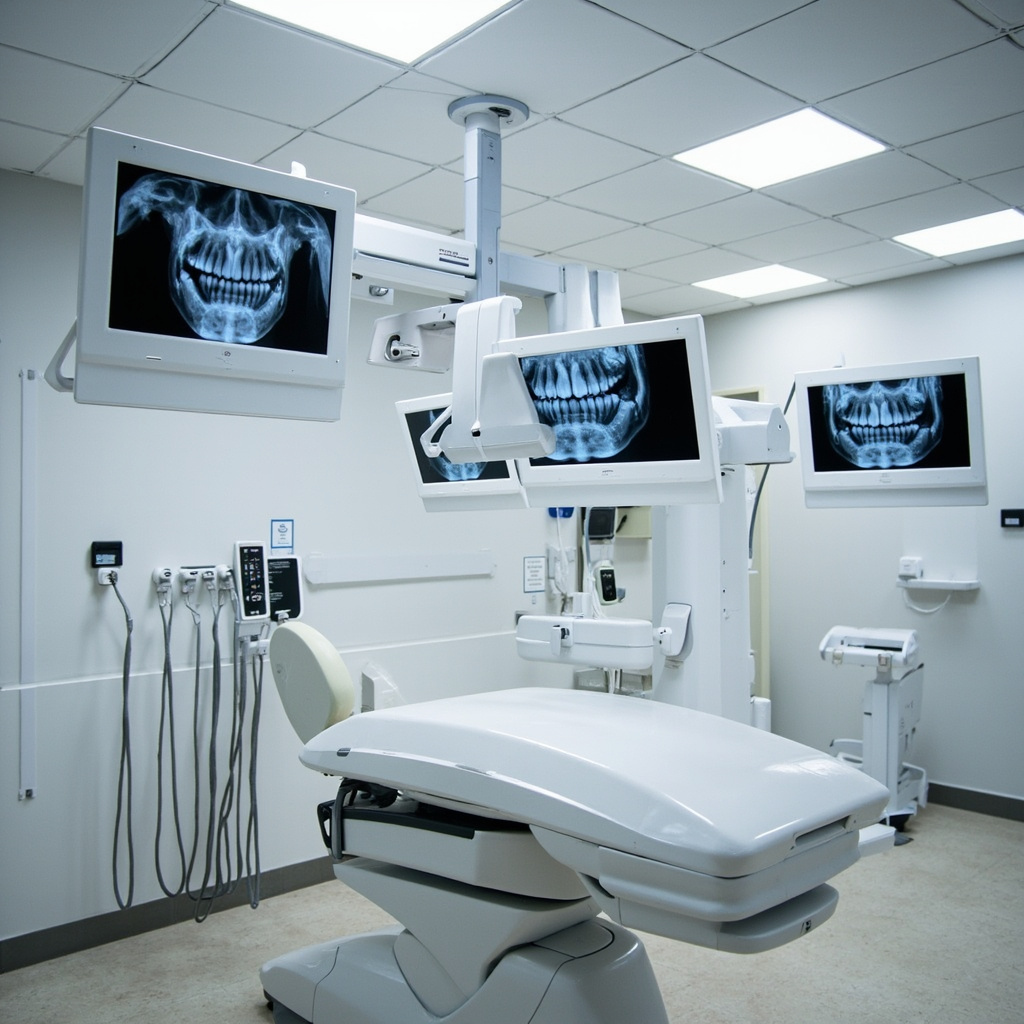
Starting a dental practice in 2026 requires strategic equipment decisions that balance immediate functionality with long-term scalability. Digital X-ray systems represent one of the most critical investments for new clinics, directly impacting diagnostic capability, workflow efficiency, and patient experience.
Modern digital radiography has evolved far beyond simple film replacement. Today’s systems integrate seamlessly with practice management software, enable instant image sharing, and provide enhanced diagnostic tools that can significantly improve treatment outcomes.
Key Technologies for 2026
Digital sensor technology continues to advance rapidly. New clinics should prioritize systems offering:
- Wireless connectivity – Eliminates cable wear and improves patient comfort
- High resolution imaging – Minimum 14-16 line pairs per millimeter for clear diagnostics
- Fast image acquisition – Sub-second exposure times reduce patient movement artifacts
- Software integration – Seamless connection with practice management platforms
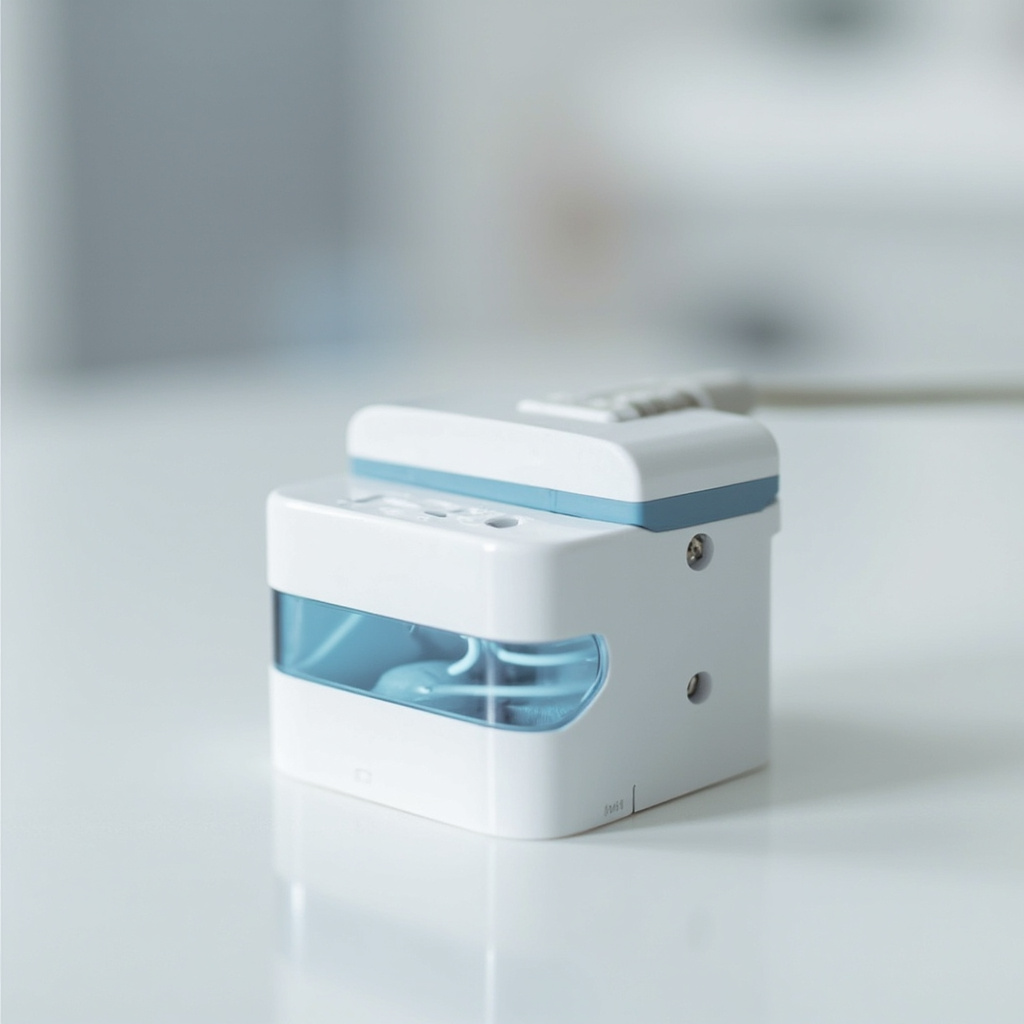
Intraoral vs Extraoral Systems
New practices typically need both intraoral sensors for detailed tooth imaging and panoramic systems for comprehensive jaw evaluation. The decision between purchasing new versus refurbished equipment can significantly impact startup budgets.
Intraoral Digital Sensors:
- Size 0, 1, and 2 sensors provide full diagnostic coverage
- Wireless models reduce infection control complexity
- Expected lifespan of 5-7 years with proper handling
- Cost range: $8,000-$15,000 per sensor
Panoramic Digital Systems:
- Essential for orthodontics, implant planning, and oral surgery
- 3D CBCT capability increasingly important
- Integration with implant planning software
- Cost range: $45,000-$120,000 for new systems
Workflow Integration Considerations
The most advanced equipment becomes worthless if it doesn’t integrate properly with your practice workflow. Modern digital X-ray systems should connect directly to your practice management software, enabling automated patient data synchronization and streamlined billing processes.
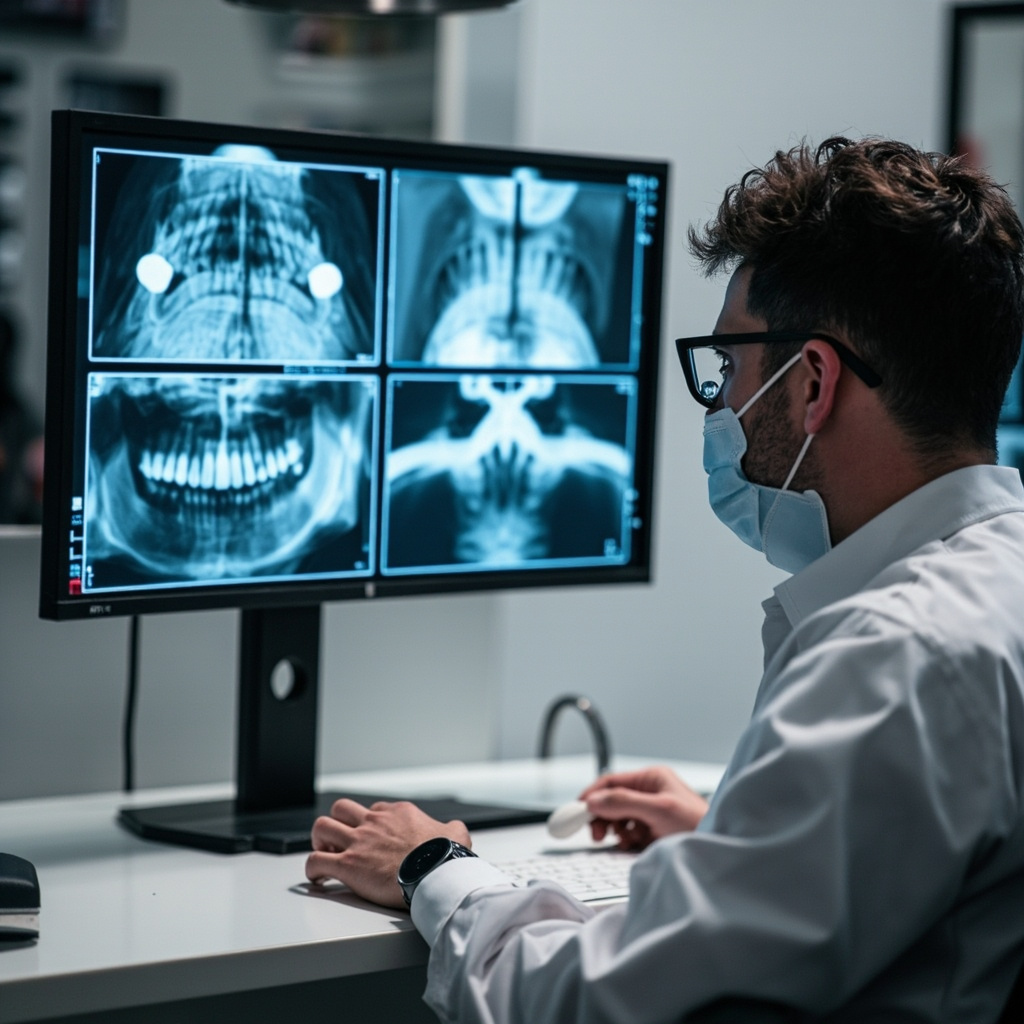
Software Requirements
Ensure your chosen digital radiography system supports:
- DICOM standards for image portability
- Cloud-based storage and backup
- Mobile viewing capabilities
- Integration with referral networks
- Automated measurement and analysis tools
Budget Planning for New Clinics
Digital X-ray equipment represents 15-20% of total equipment investment for new dental practices. Smart budgeting involves:
Essential First-Year Equipment:
- Basic intraoral sensor system: $12,000-$20,000
- Panoramic system (entry-level): $50,000-$70,000
- Imaging software license: $2,000-$5,000 annually
- Training and installation: $3,000-$5,000
Future Expansion Options:
- Additional sensor sizes
- CBCT upgrade modules
- Advanced analysis software
- Integration with CAD/CAM systems
Maintenance and Support Considerations
Digital X-ray equipment requires ongoing maintenance to ensure optimal image quality and regulatory compliance. Factor these costs into your operational budget:
- Annual service contracts – 8-12% of equipment cost
- Software updates – Often included in service plans
- Sensor replacement – Plan for replacement every 5-7 years
- Calibration services – Required for quality assurance
Making the Right Choice
Successful equipment selection for new dental clinics requires balancing current needs with future growth plans. Digital X-ray systems purchased today should serve your practice for 7-10 years, making it crucial to choose systems with upgrade pathways and strong manufacturer support.
Consider working with equipment specialists who understand both the technical requirements and financial realities of starting a dental practice. The right digital radiography investment will enhance diagnostic capabilities, improve workflow efficiency, and contribute to long-term practice success.