Environmental Factors Affecting Dental X-Ray Equipment Performance: Power, Climate, and Static Control

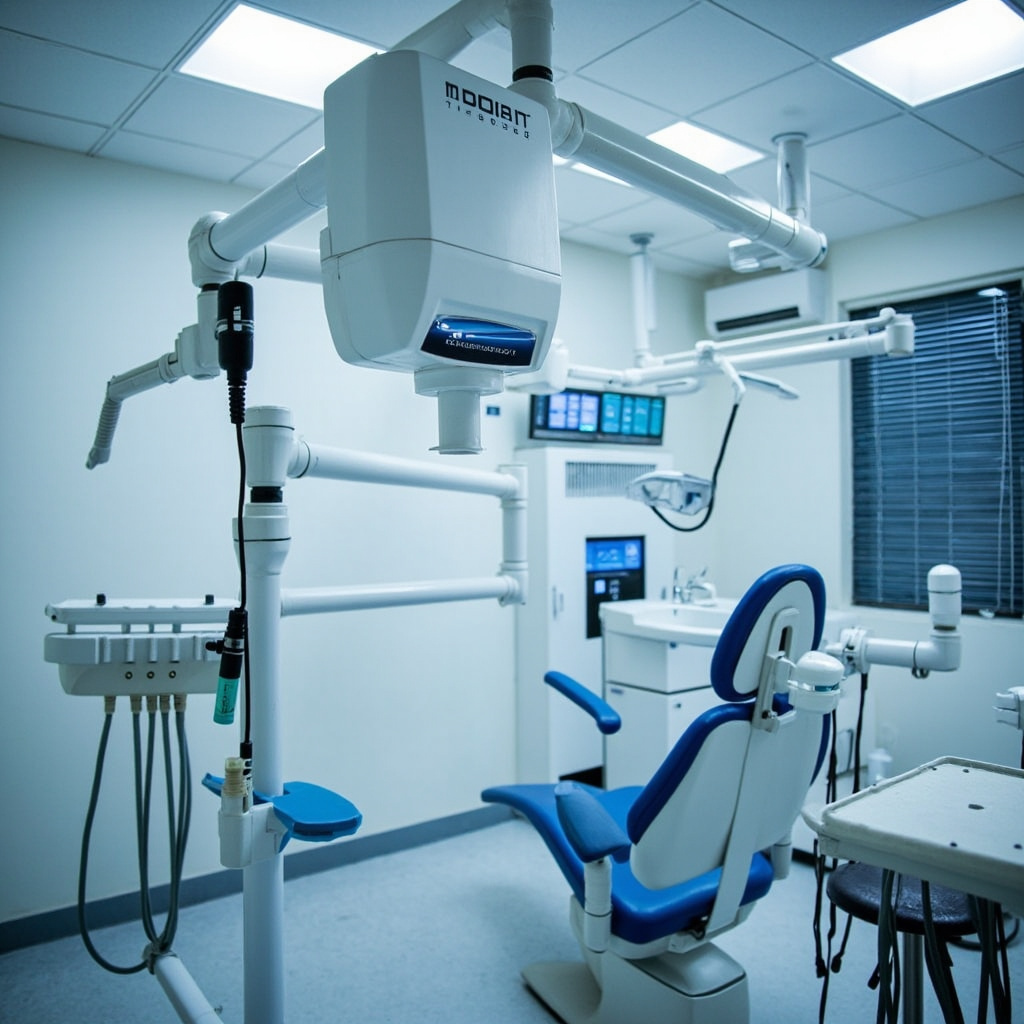
Dental X-ray equipment operates as precision diagnostic instruments that require carefully controlled environmental conditions to maintain peak performance. Beyond routine maintenance and operator technique, environmental factors such as electrical power quality, temperature, humidity, and static electricity can significantly impact image quality, equipment lifespan, and diagnostic accuracy.
Electrical Power Quality and Voltage Regulation
X-ray generators demand stable electrical power to produce consistent radiation output. Voltage fluctuations, power surges, and inadequate line regulation can cause exposure variations, premature tube failure, and system malfunctions.
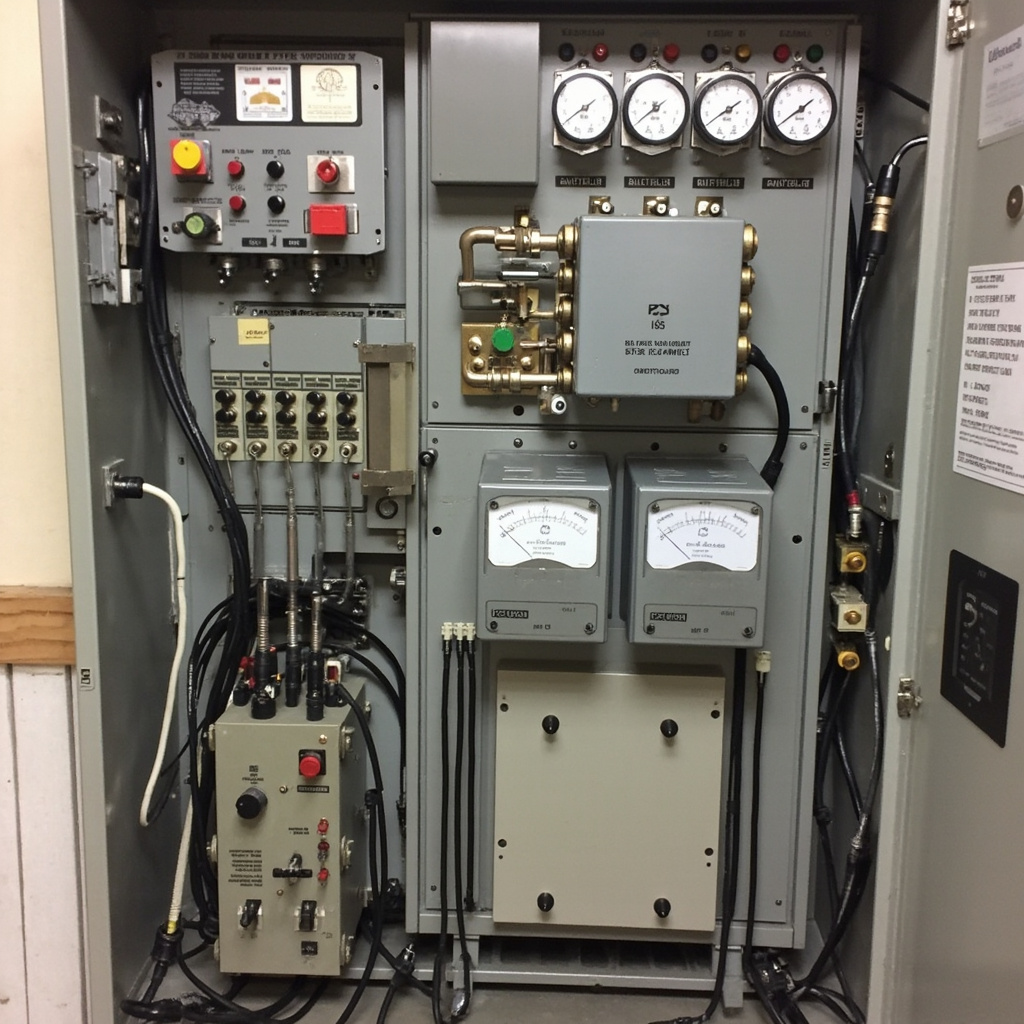
Critical Power Requirements
- Voltage Stability: Most dental X-ray systems require ±10% voltage regulation or better
- Line Impedance: Supply lines must maintain low apparent resistance to prevent voltage drops during exposure
- Dedicated Circuits: High-power systems need isolated electrical circuits to prevent interference
- Surge Protection: Transient voltage suppression protects sensitive electronics
Power line fluctuations are particularly problematic in areas with unstable electrical grids or during peak usage periods. Installing voltage regulators and uninterruptible power supplies (UPS) can mitigate these issues.
Temperature and Humidity Control
Digital sensors, processors, and electronic components in modern X-ray systems are sensitive to temperature extremes and humidity variations. Environmental control directly impacts image quality and system reliability.
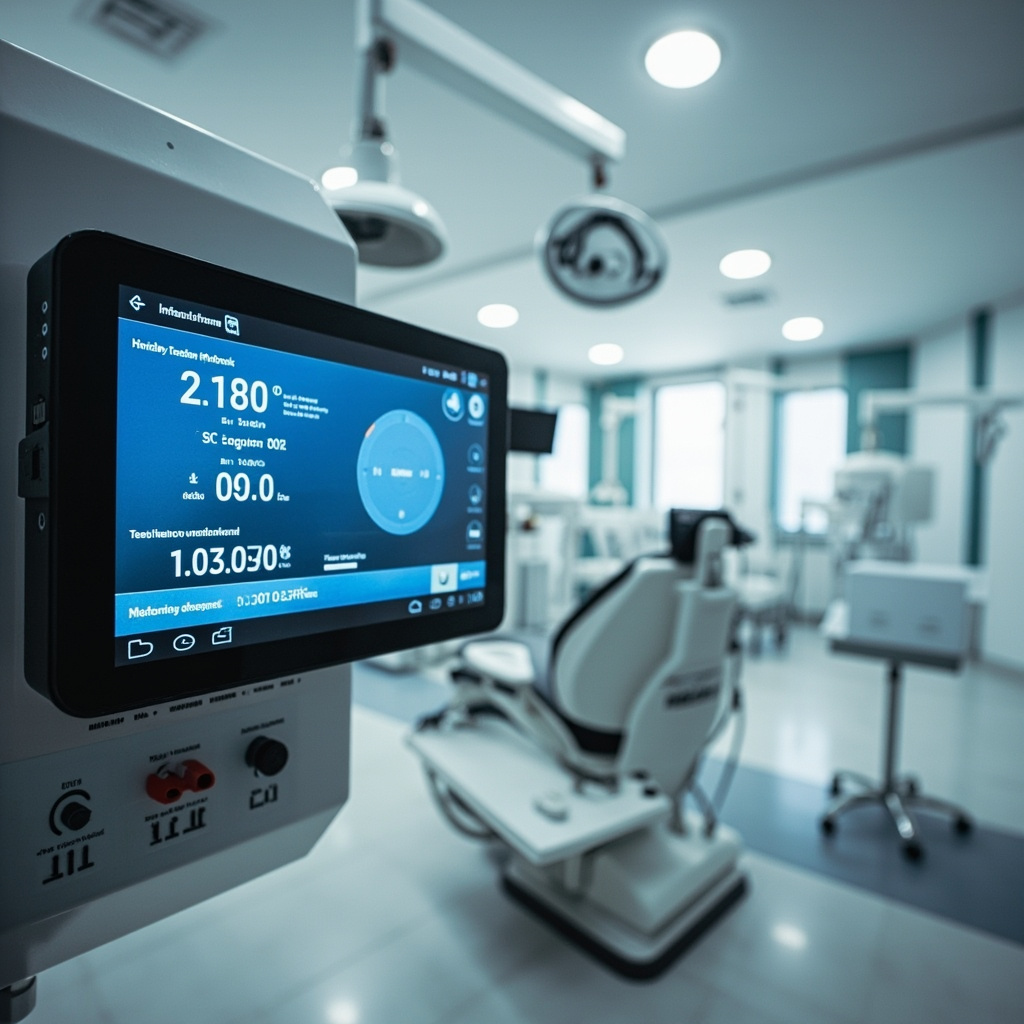
Optimal Environmental Ranges
- Temperature: 18-24°C (64-75°F) for most systems
- Relative Humidity: 30-60% to prevent condensation and static buildup
- Air Circulation: Adequate ventilation prevents heat accumulation around equipment
- Thermal Stability: Minimal temperature fluctuations during operation
Temperature-Related Issues
Excessive heat can cause thermal drift in digital sensors, leading to image artifacts and calibration errors. Cold temperatures may affect LCD displays and cause condensation when equipment warms up. HVAC systems should maintain consistent temperatures throughout the day.
Humidity Concerns
High humidity promotes corrosion of electrical contacts and can cause condensation inside equipment housings. Low humidity increases static electricity generation, potentially damaging sensitive electronics or creating patient discomfort during positioning.
Static Electricity Management
Static discharge poses significant risks to digital X-ray components, particularly sensors and processing units. Dry environments and synthetic materials can generate dangerous levels of static electricity.
Static Control Strategies
- Humidity Maintenance: Keep relative humidity above 30% to reduce static buildup
- Anti-Static Materials: Use anti-static mats and wrist straps during maintenance
- Grounding Systems: Ensure proper electrical grounding of all equipment
- Ionic Air Systems: Consider ionizing air systems in problematic environments
Electrical System Design Considerations
Proper electrical installation is fundamental to environmental control and equipment protection. Many performance issues trace back to inadequate electrical infrastructure.
Installation Requirements
- Dedicated Circuits: Separate circuits for high-power X-ray generators
- Proper Grounding: Low-impedance ground paths for safety and performance
- EMI Shielding: Electromagnetic interference protection for digital components
- Circuit Protection: Appropriately rated breakers and fuses
Monitoring and Maintenance Protocols
Regular environmental monitoring helps identify problems before they affect patient care or cause equipment damage.
Recommended Monitoring
- Daily: Visual inspection of equipment, temperature checks
- Weekly: Humidity readings, electrical connections inspection
- Monthly: Power quality assessment, static levels measurement
- Quarterly: Full environmental audit by qualified technicians
Troubleshooting Environmental Issues
When X-ray equipment exhibits inconsistent performance, environmental factors should be among the first considerations during diagnosis.
Common Symptoms and Causes
- Image Density Variations: Often caused by voltage fluctuations or temperature changes
- Equipment Resets: May indicate power quality problems or overheating
- Sensor Artifacts: Can result from static discharge or thermal stress
- Intermittent Failures: Frequently trace to environmental conditioning issues
Best Practices for Environmental Control
Implementing comprehensive environmental management ensures optimal X-ray equipment performance and extends system lifespan.
- Install Environmental Monitoring: Continuous temperature and humidity logging
- Maintain HVAC Systems: Regular servicing of heating, ventilation, and air conditioning
- Upgrade Electrical Infrastructure: Invest in proper power conditioning equipment
- Staff Training: Educate team members on environmental factors affecting equipment
- Preventive Maintenance: Include environmental assessments in routine service protocols
By maintaining optimal environmental conditions, dental practices can ensure consistent image quality, reduce equipment failures, and maximize the return on their X-ray system investment. Environmental control is an essential aspect of modern digital radiography that deserves attention equal to technique and maintenance protocols.