Panoramic X-Ray Patient Positioning: Common Errors and Image Quality Solutions

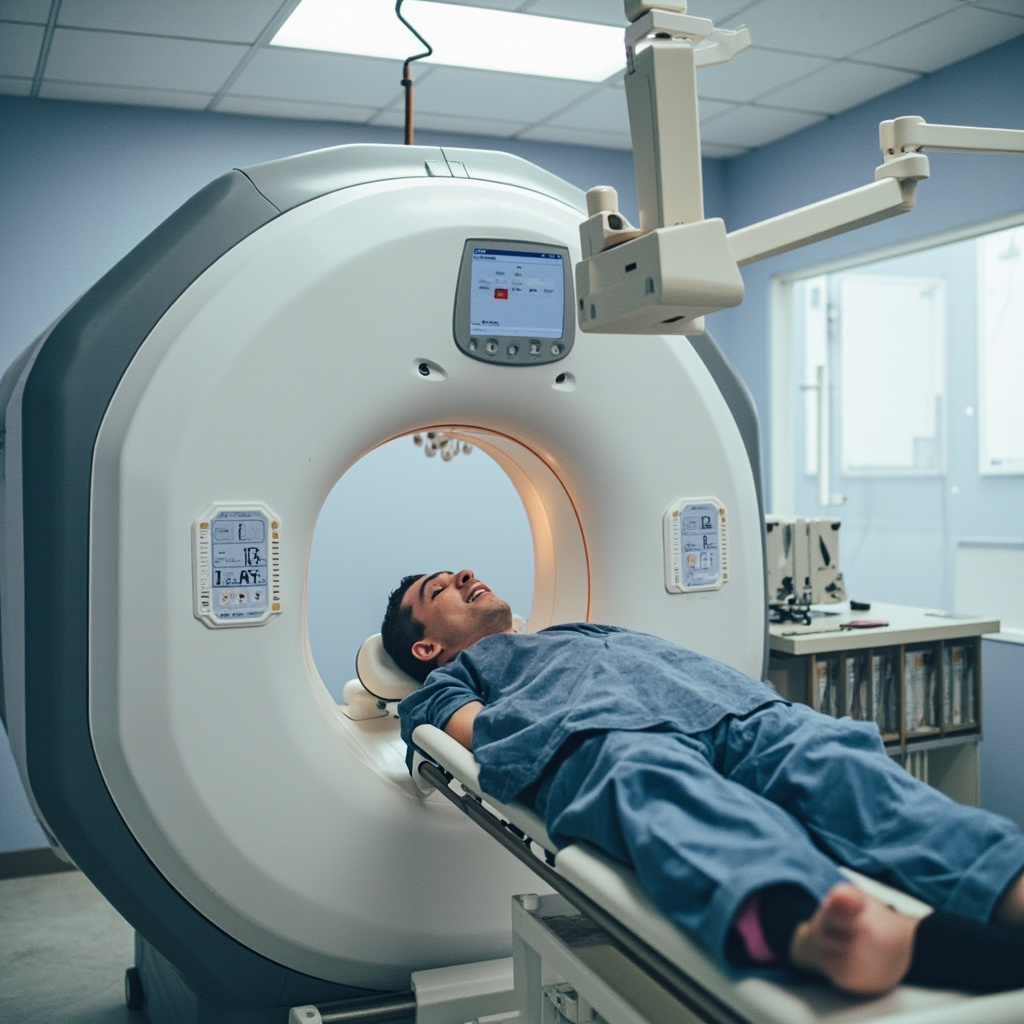
Panoramic X-ray imaging is a critical diagnostic tool in dental practices, providing comprehensive views of the entire oral and maxillofacial region. However, achieving optimal image quality depends heavily on proper patient positioning. Understanding and addressing common positioning errors can significantly improve diagnostic accuracy and reduce the need for retakes.
Understanding Panoramic X-Ray Mechanics
Panoramic radiography utilizes a rotating X-ray source and detector that move around the patient’s head in a predetermined arc. The success of this imaging technique relies on precise patient positioning within the machine’s focal trough – a three-dimensional curved zone where structures appear sharp and clear.
Most Common Patient Positioning Errors
1. Incorrect Chin Position
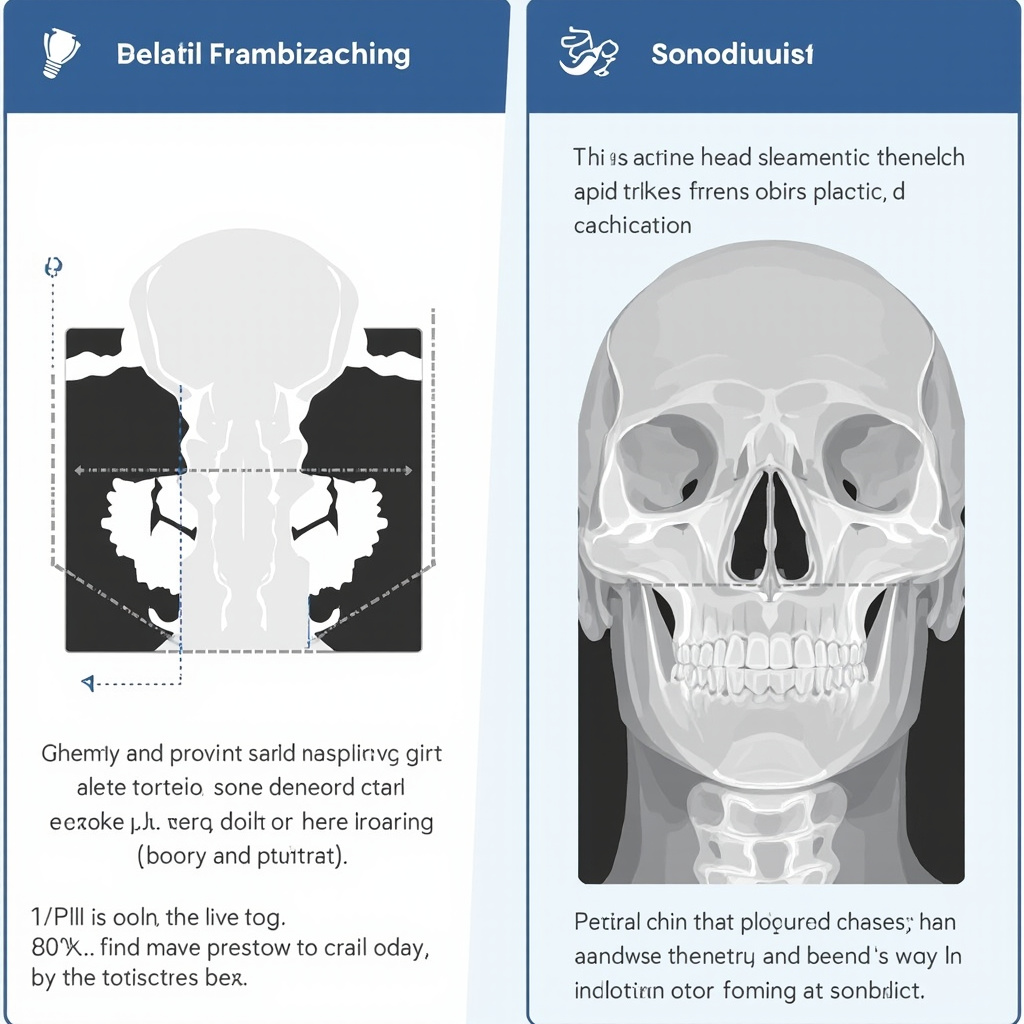
The most frequent positioning error involves improper chin placement. When the patient’s chin is tilted too far down, the mandibular incisors appear blurred and elongated, while the maxillary teeth may appear foreshortened. Conversely, chin positioned too high results in a reverse “smile line” appearance and loss of apical detail in the anterior region.
Solution: Position the chin rest so the Frankfurt horizontal plane (from the external auditory meatus to the infraorbital rim) is parallel to the floor. The occlusal plane should have a slight upward curve resembling a smile line.
2. Improper Head Lateral Positioning
When the patient’s head is turned to one side, the resulting image shows unequal magnification of the left and right sides. The side closer to the X-ray source appears larger and more anterior, while the opposite side appears smaller and more posterior.
Solution: Ensure the midsagittal plane is perpendicular to the floor and aligned with the center of the machine. Use the lateral head guides to maintain proper positioning throughout the exposure.
3. Tongue Position Errors
Perhaps the most overlooked positioning factor is tongue placement. When the tongue is not pressed firmly against the hard palate, a large dark shadow appears over the apical regions of the maxillary teeth, obscuring important diagnostic information.
Solution: Instruct the patient to place their tongue flat against the roof of their mouth and maintain this position throughout the entire exposure cycle. Consider using positioning aids or verbal reminders during exposure.
Advanced Positioning Considerations
Spine and Shoulder Positioning
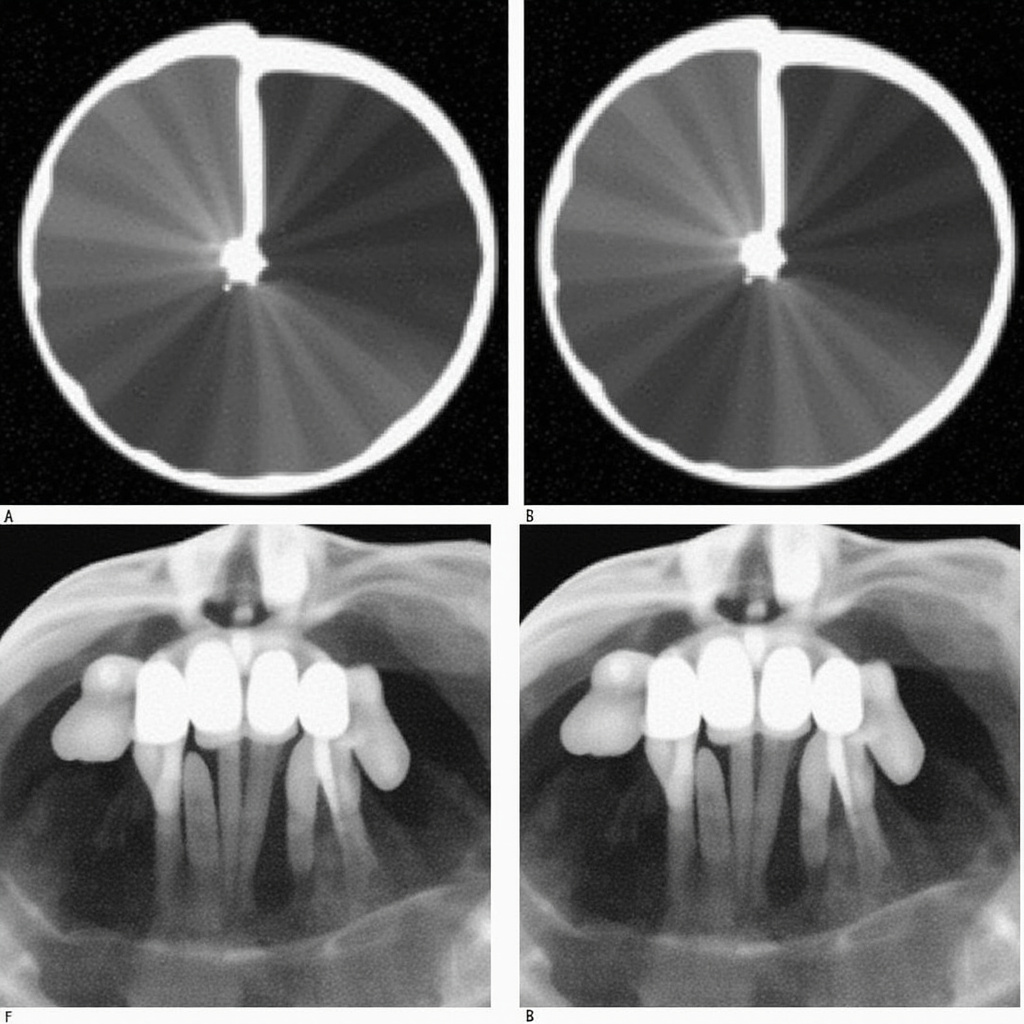
The cervical spine should be straight and shoulders positioned evenly. Hunched or uneven shoulders can create ghost images that overlap with the mandibular ramus and posterior teeth. Patients should stand or sit erect with shoulders relaxed and positioned away from the path of the X-ray beam.
Bite Block Placement
Proper bite block positioning ensures the anterior teeth are correctly positioned in the focal trough. The bite block should be placed so the patient bites gently with their incisors, creating approximately 2-3mm of separation between upper and lower teeth.
Quality Assessment Protocols
Implement a systematic quality assessment protocol for all panoramic images:
- Symmetry: Compare left and right sides for equal magnification
- Anterior region: Check for proper incisor overlap and clarity
- Posterior regions: Verify that premolars and molars appear sharp
- TMJ visualization: Ensure both joints are clearly visible
- Soft tissue shadows: Confirm absence of tongue shadow over maxillary apices
Patient Communication Strategies
Effective patient communication is crucial for successful panoramic positioning:
- Explain the importance of remaining still during the 12-15 second exposure
- Provide clear, simple instructions about tongue placement
- Use positioning rehearsals before actual exposure
- Maintain verbal contact during positioning adjustments
- Consider using positioning aids for patients with mobility limitations
Troubleshooting Persistent Problems
When positioning errors persist despite following standard protocols, consider these factors:
- Patient anatomy: Unusual facial structure may require modified positioning
- Equipment calibration: Verify that positioning guides are properly aligned
- Staff training: Ensure all operators understand positioning principles
- Patient limitations: Develop alternative techniques for mobility-impaired patients
Conclusion
Mastering panoramic X-ray patient positioning requires attention to detail, consistent protocols, and effective patient communication. By understanding common positioning errors and implementing systematic correction strategies, dental practices can significantly improve image quality, reduce retakes, and enhance diagnostic capabilities. Regular training and quality assessment protocols ensure that panoramic radiography remains a valuable diagnostic tool in comprehensive dental care.
Remember that patient comfort and clear instruction are key to successful positioning. Taking an extra moment to properly position the patient initially saves time and radiation exposure while providing superior diagnostic information for treatment planning.