X-Ray Tube Replacement: Critical Warning Signs and Lifespan Management

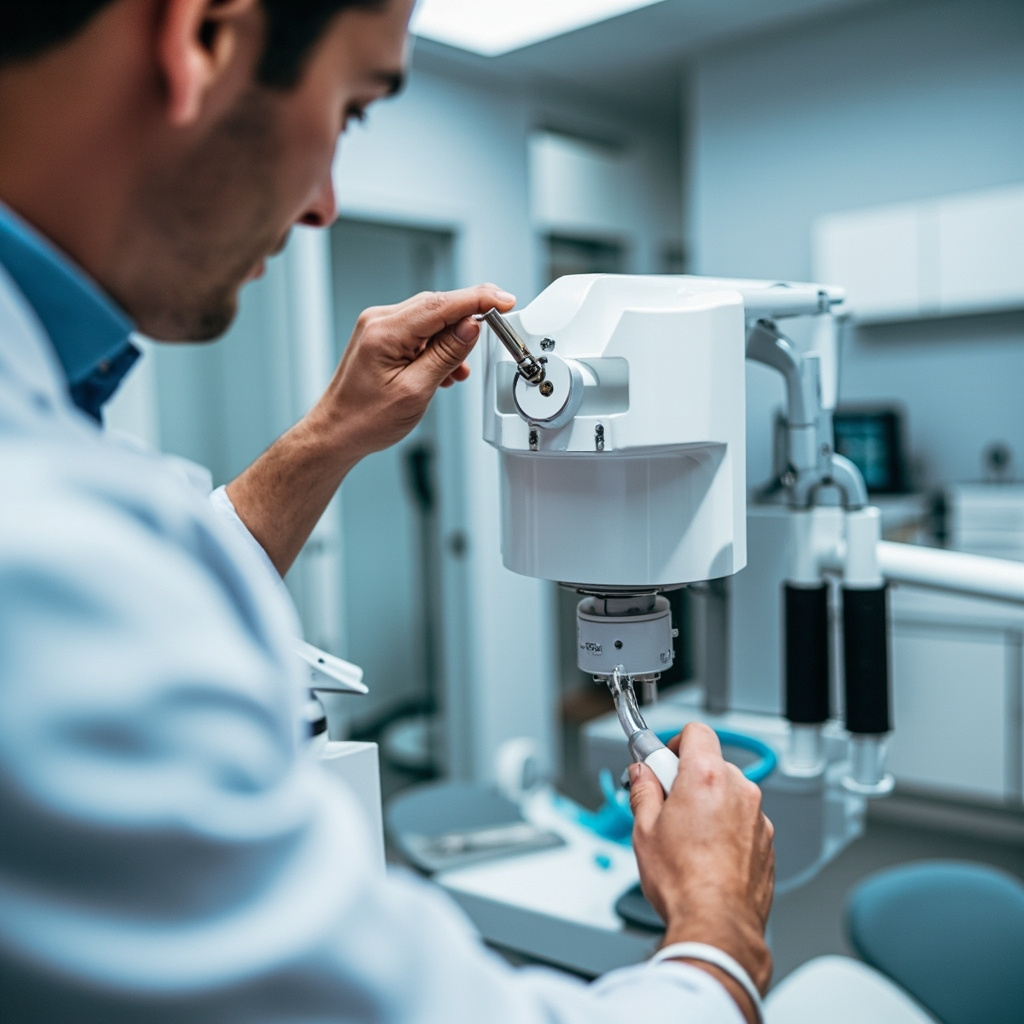
Dental X-ray tubes are the heart of your imaging system, yet they are often overlooked until they fail completely. Understanding when to replace these critical components can save your practice from costly downtime and ensure consistent diagnostic quality. This comprehensive guide covers the warning signs, lifespan expectations, and strategic planning for X-ray tube replacement.
Understanding X-Ray Tube Longevity
Modern dental X-ray tubes typically last between 3-7 years under normal operating conditions, with variations based on usage patterns, maintenance quality, and environmental factors. Unlike other dental equipment that may provide gradual performance decline, X-ray tubes can experience sudden failure, making proactive monitoring essential.
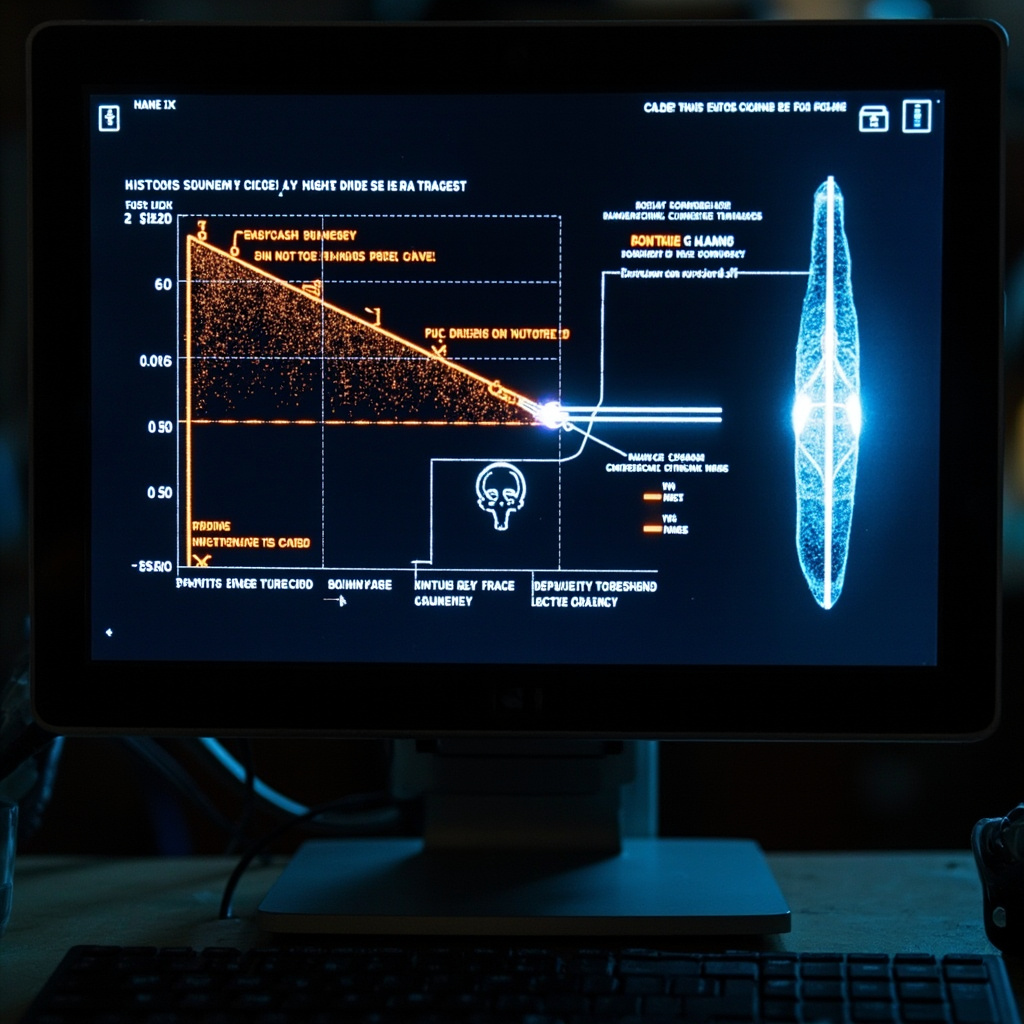
The tungsten filament within the X-ray tube undergoes continuous stress during operation. Each exposure cycle causes microscopic changes to the filament structure, gradually reducing its effectiveness. Industry standards consider a 10% reduction in wire mass as the end-of-life indicator, representing approximately 98% of the tubes operational capacity.
Critical Warning Signs Requiring Immediate Attention
Image Quality Degradation
The most obvious indicator of tube failure is declining image quality. Watch for consistently dark or light images despite proper technique settings, increased image noise or graininess, and uneven exposure across the image field. These symptoms often indicate filament deterioration or anode surface damage.
Operational Irregularities
Pay attention to unusual sounds during operation, including clicking, buzzing, or arcing noises that werent present during normal operation. Flickering indicator lights or inconsistent exposure timing can signal electrical instability within the tube assembly.
Increased Exposure Requirements
If you find yourself consistently increasing exposure settings to achieve acceptable image density, this typically indicates declining tube output. This compensation strategy works temporarily but indicates imminent tube failure.
Error Messages and System Alerts
Modern digital systems often provide diagnostic alerts for tube performance issues. Never ignore these warnings, as they represent sophisticated monitoring systems designed to prevent complete failure.
Factors Affecting Tube Lifespan
Several controllable factors significantly impact X-ray tube longevity. High-volume practices naturally experience faster tube degradation, but proper technique can extend service life even under heavy usage.
Temperature management plays a crucial role in tube longevity. Allowing adequate cooling time between exposures and maintaining proper room temperature can extend tube life by 20-30%. Conversely, rapid-fire exposures without cooling periods accelerate filament degradation.
Power supply stability affects tube performance. Voltage fluctuations stress the tube components and can cause premature failure. Installing appropriate power conditioning equipment protects your investment.
Strategic Replacement Planning
Effective tube replacement planning involves both financial preparation and operational continuity. Rather than waiting for complete failure, establish replacement criteria based on performance metrics and usage patterns.
Financial Considerations and ROI
X-ray tube replacement costs typically range from $2,000-8,000, depending on the system type and manufacturer. While this represents a significant expense, the cost of emergency replacement often exceeds planned replacement by 30-50% due to expedited shipping and emergency service calls.
Consider the broader financial impact of tube failure. Lost productivity during downtime, rescheduled appointments, and potential patient satisfaction issues can exceed the tube replacement cost. Practices generating significant revenue from diagnostic imaging should maintain spare tubes for critical systems.
Replacement vs. System Upgrade Decision Matrix
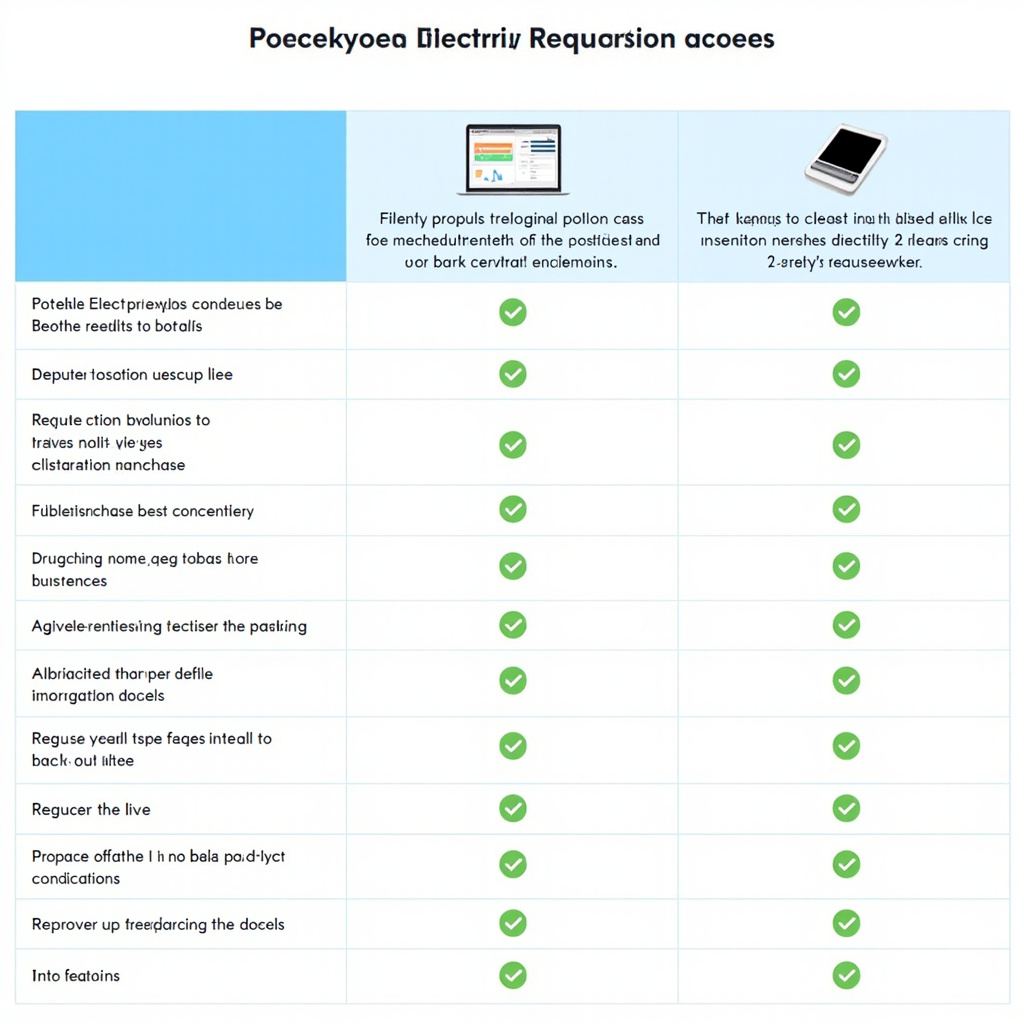
When facing tube replacement, evaluate whether upgrading the entire system provides better long-term value. If your X-ray system is over 10 years old, upgrading to a newer digital system might offer superior ROI compared to tube replacement.
Modern digital systems provide enhanced diagnostic capabilities, improved workflow efficiency, and often lower radiation exposure requirements. Calculate the total cost of ownership, including energy consumption, maintenance requirements, and productivity improvements.
Maintenance Strategies to Maximize Lifespan
Implementing proper maintenance protocols can extend tube life significantly. Never leave tubes unused for longer than six months, as this can cause filament degradation. Perform regular warm-up procedures according to manufacturer specifications.
Monitor tube performance metrics systematically. Keep detailed logs of exposure settings, image quality assessments, and any operational irregularities. This data helps predict replacement timing and supports warranty claims if premature failure occurs.
Professional Installation and Calibration
X-ray tube replacement requires certified technician installation and comprehensive calibration. Improper installation can void warranties and create safety hazards. Budget for professional installation costs, typically $500-1,500, depending on system complexity.
Post-installation calibration ensures optimal performance and regulatory compliance. This process includes output verification, safety system testing, and image quality validation.
Conclusion
Proactive X-ray tube management protects your practice investment and ensures consistent diagnostic quality. By monitoring warning signs, planning replacement timing, and implementing proper maintenance protocols, dental practices can minimize downtime and control replacement costs. Remember that tube replacement is not just a maintenance expense—its an investment in diagnostic capability and practice efficiency.