AI Integration in Dental Radiography: Current Trends and Future Outlook

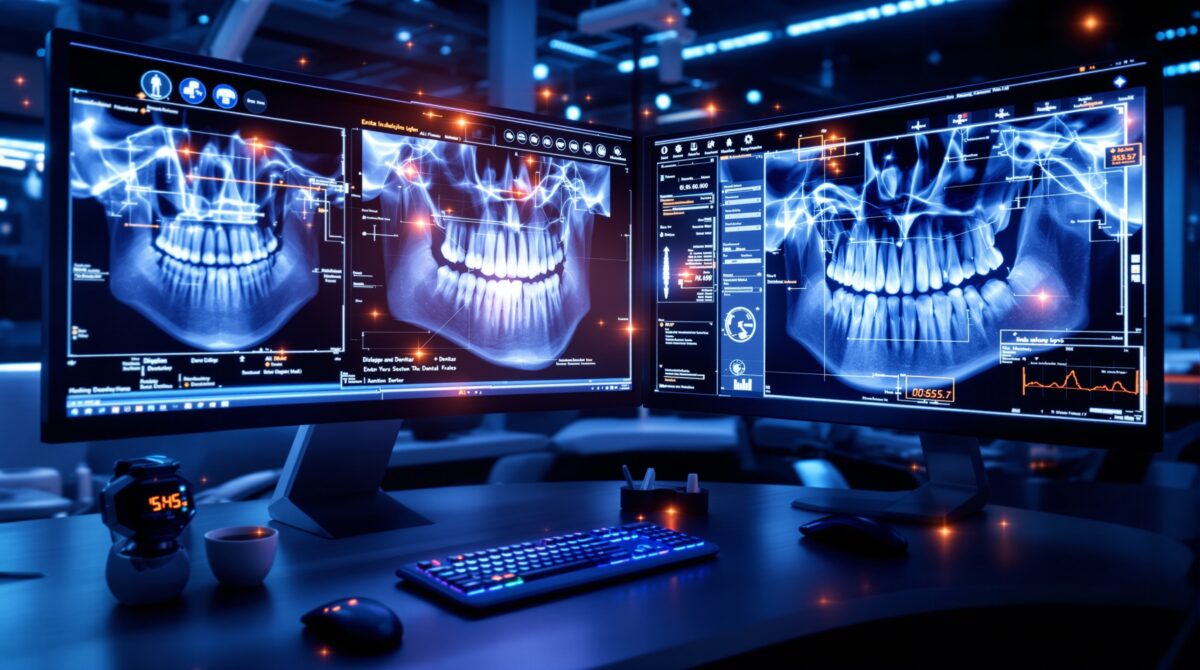
Artificial intelligence is rapidly transforming dental radiography, revolutionizing how dental professionals analyze, interpret, and utilize X-ray images for diagnosis and treatment planning. As AI technology continues to advance, its integration into dental practices promises enhanced diagnostic accuracy, improved workflow efficiency, and better patient outcomes. This comprehensive analysis explores current AI applications, implementation challenges, and future developments shaping the landscape of dental imaging.
The Current State of AI in Dental Imaging
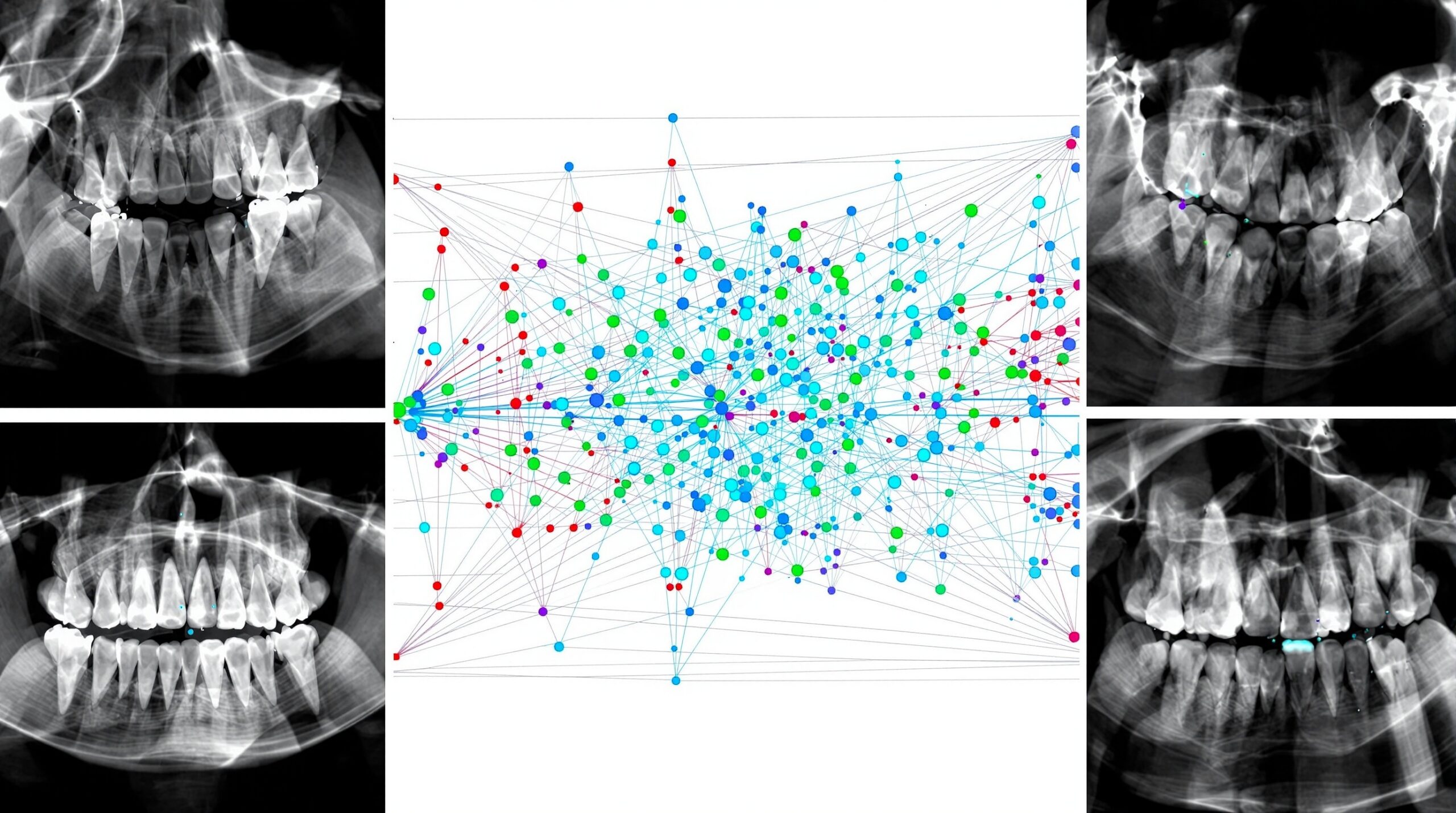
Modern AI systems in dental radiography primarily utilize deep learning algorithms, particularly convolutional neural networks (CNNs), to analyze radiographic images. These sophisticated systems can identify anatomical structures, detect pathologies, and assist in diagnostic decision-making with remarkable accuracy. Current applications range from automated tooth numbering and caries detection to periodontal bone level assessment and endodontic pathology identification.
Leading dental imaging companies have integrated AI features into their software platforms, offering real-time analysis capabilities that complement traditional diagnostic methods. These systems process images in seconds, highlighting areas of concern and providing quantitative measurements that support clinical decision-making while maintaining the dentist’s role as the final diagnostic authority.
Key AI Applications in Dental Radiography
Automated Pathology Detection
AI algorithms excel at identifying subtle radiographic changes that may indicate disease progression. Caries detection systems can identify early demineralization that might be missed during visual examination, while periodontal assessment tools accurately measure bone levels and identify areas of bone loss with precision exceeding manual measurements.
Advanced AI systems also demonstrate proficiency in detecting endodontic pathology, including periapical lesions, root fractures, and calcification patterns. These capabilities enhance diagnostic confidence and support treatment planning decisions, particularly in complex cases requiring specialist consultation.
Image Quality Enhancement
Machine learning algorithms improve image quality through noise reduction, contrast enhancement, and artifact correction. These preprocessing improvements result in clearer images that facilitate more accurate diagnoses while potentially allowing for reduced radiation exposure without compromising diagnostic quality.
AI-powered image reconstruction techniques can recover diagnostic information from suboptimal images, reducing the need for retakes and minimizing patient radiation exposure while maintaining clinical utility.
Workflow Optimization
Intelligent routing systems analyze image characteristics and automatically distribute cases based on complexity, urgency, or required expertise. This optimization reduces interpretation backlogs and ensures appropriate specialist attention for complex cases while streamlining routine diagnoses.
Automated quality assurance systems flag technical issues, positioning errors, and image artifacts, allowing immediate correction before patient dismissal and reducing the need for additional appointments.
Implementation Challenges and Solutions
Training Data Quality and Bias
AI system effectiveness depends heavily on training data quality and diversity. Insufficient representation of certain populations, anatomical variations, or pathological conditions can lead to biased or inaccurate results. Addressing this challenge requires comprehensive datasets that reflect real-world diversity and continuous algorithm refinement based on clinical feedback.
Collaborative efforts between dental schools, practices, and technology companies are essential for developing robust training datasets that ensure AI systems perform effectively across diverse patient populations and clinical scenarios.
Integration with Existing Workflows
Successful AI implementation requires seamless integration with existing practice management systems, imaging software, and clinical workflows. This integration challenge extends beyond technical compatibility to include staff training, workflow adaptation, and change management strategies.
Practices must carefully plan AI adoption phases, starting with pilot implementations that allow gradual staff familiarization and workflow optimization before full deployment across all imaging procedures.
Regulatory Considerations and Standards
The integration of AI in dental radiography operates within evolving regulatory frameworks. The FDA continues to develop guidelines for AI medical devices, including dental applications, while professional organizations establish standards for AI-assisted diagnosis and treatment planning.
Practices implementing AI systems must understand liability implications, documentation requirements, and quality assurance standards. Clear protocols for AI system validation, performance monitoring, and clinical decision-making ensure compliance with professional standards and regulatory requirements.
Data Privacy and Security
AI systems often require cloud-based processing or data sharing for algorithm improvement, raising important privacy and security considerations. HIPAA compliance, data encryption, and secure transmission protocols are essential elements of any AI implementation strategy.
Practices must carefully evaluate vendor security measures, data handling practices, and patient consent procedures to ensure appropriate privacy protection while enabling AI functionality.
Emerging Technologies and Future Applications
3D Imaging Integration
Next-generation AI systems are expanding beyond traditional 2D radiographs to analyze CBCT and other 3D imaging modalities. These advanced applications include airway analysis, implant planning optimization, and complex surgical guidance with unprecedented precision.
Three-dimensional AI analysis enables comprehensive treatment planning that considers anatomical relationships impossible to evaluate in traditional 2D images, supporting interdisciplinary treatment approaches and improving predictable outcomes.
Predictive Analytics
Future AI applications will extend beyond diagnostic assistance to predictive modeling, identifying patients at risk for specific conditions before clinical symptoms appear. These predictive capabilities could revolutionize preventive dentistry and enable proactive treatment interventions.
Machine learning algorithms analyzing longitudinal imaging data can identify subtle patterns associated with disease progression, enabling personalized treatment recommendations and optimal intervention timing.
Economic Impact and Practice Benefits
AI implementation in dental radiography presents significant economic implications for dental practices. While initial investment costs can be substantial, the long-term benefits include improved diagnostic accuracy, reduced treatment complications, enhanced patient satisfaction, and increased practice efficiency.
Economic studies demonstrate that AI-assisted diagnosis can reduce misdiagnosis rates, leading to fewer treatment complications and associated costs. Additionally, improved workflow efficiency enables practices to serve more patients while maintaining high-quality care standards.
Return on Investment Considerations
Calculating AI system ROI requires considering multiple factors including software costs, training expenses, workflow changes, and measurable improvements in diagnostic accuracy and practice efficiency. Many practices find that AI systems pay for themselves through reduced retake rates, improved treatment acceptance, and enhanced patient confidence.
Subscription-based AI services offer flexible implementation options that allow practices to adopt AI capabilities without significant upfront capital investments while providing access to continuously updated algorithms and new features.
Professional Development and Training
Successful AI integration requires comprehensive staff training and ongoing professional development. Dental professionals must understand AI capabilities, limitations, and appropriate clinical applications to maximize system benefits while maintaining professional judgment.
Continuing education programs increasingly include AI literacy components, helping practitioners understand algorithm functionality, interpret AI outputs, and integrate artificial intelligence recommendations into clinical decision-making processes.
Ethical Considerations
The integration of AI in dental diagnosis raises important ethical questions about human oversight, algorithmic transparency, and patient consent. Professional organizations continue developing guidelines that balance AI innovation with traditional ethical obligations to patients.
Maintaining appropriate human oversight ensures that AI serves as a diagnostic aid rather than a replacement for professional judgment, preserving the doctor-patient relationship while enhancing clinical capabilities.
Future Outlook and Industry Predictions
The future of AI in dental radiography promises continued advancement in algorithm sophistication, expanded diagnostic capabilities, and deeper integration with comprehensive dental care. Emerging trends suggest AI will become increasingly specialized, with systems developed for specific diagnostic challenges and clinical scenarios.
Industry experts predict that within the next decade, AI-assisted analysis will become standard practice in dental imaging, with systems capable of comprehensive treatment planning, outcome prediction, and personalized care recommendations based on individual patient characteristics and historical data.
The convergence of AI with other technologies, including augmented reality, teledentistry, and precision medicine, will create new paradigms for dental care delivery that emphasize prevention, early intervention, and personalized treatment approaches tailored to individual patient needs and risk factors.
As AI technology continues to mature, dental professionals who embrace these innovations while maintaining focus on patient-centered care will be best positioned to provide exceptional dental services that combine technological advancement with human expertise and compassion.