Handheld Dental X-Ray Devices: Safety Protocols and Troubleshooting Guide for 2026

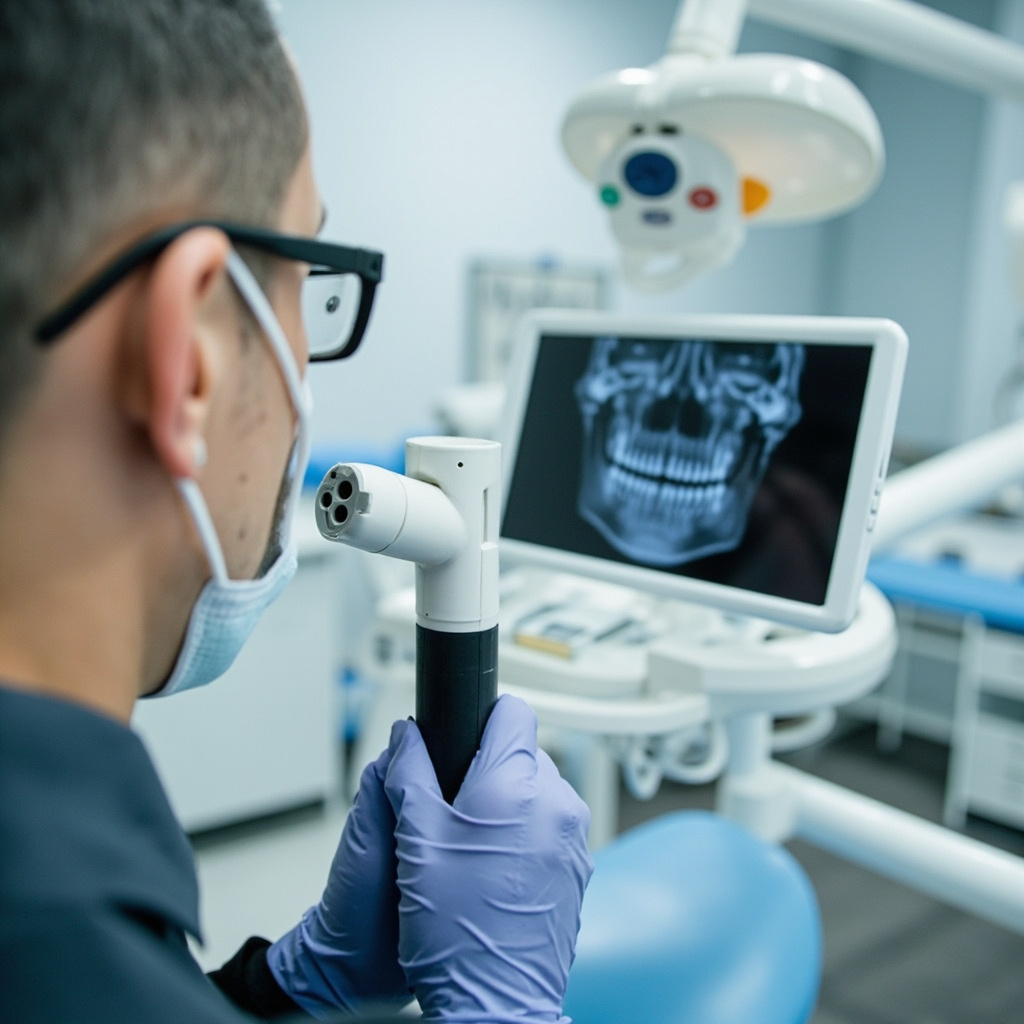
Handheld dental X-ray devices have revolutionized dental radiography by providing portability, flexibility, and enhanced patient care in various clinical settings. However, their unique operating characteristics and safety requirements demand specific protocols and troubleshooting approaches to ensure optimal performance and regulatory compliance.
Understanding Handheld X-Ray Technology
Handheld dental X-ray units represent a significant advancement in portable radiographic technology. Unlike traditional wall-mounted systems, these devices integrate the X-ray tube, power supply, and control systems into a compact, battery-operated unit weighing typically between 4-6 pounds.
Key technological features include:
- Rechargeable lithium-ion battery systems
- Digital exposure controls with preset technique charts
- Integrated radiation shielding and backscatter protection
- LED status indicators and audible feedback systems
- Wireless connectivity for digital sensor integration
2026 Safety Regulations and Compliance
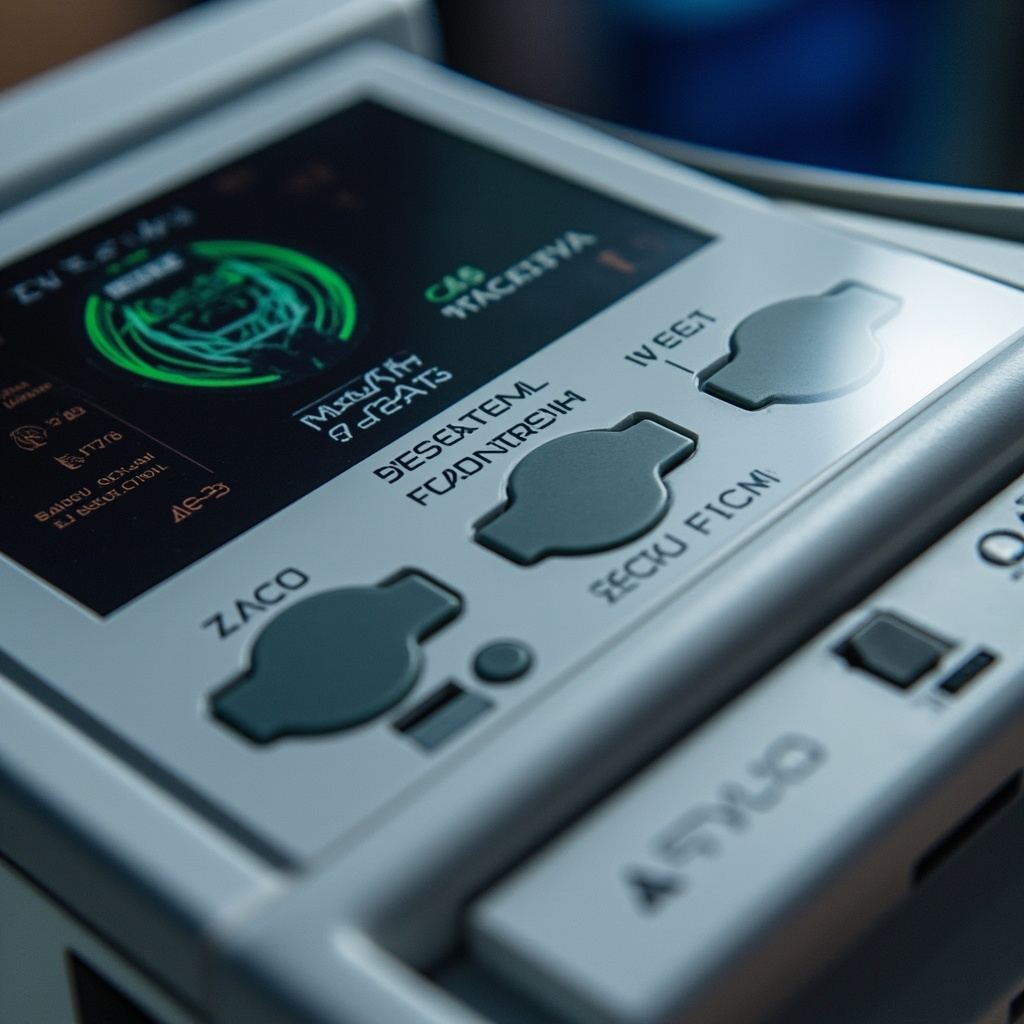
The FDA and state regulatory agencies have established comprehensive guidelines for handheld X-ray device operation in 2026. These regulations address both operator safety and patient protection through specific performance standards.
Operator Safety Requirements
All dental staff operating handheld X-ray devices must maintain a minimum 6-foot distance during exposure or utilize appropriate radiation protection barriers. Personal dosimetry monitoring is mandatory for all operators, with quarterly dose reports required for regulatory compliance.
Device Registration and Inspection
Handheld X-ray units require annual registration with state radiation control programs and biennial performance inspections. Documentation must include:
- Serial numbers and model specifications
- Exposure technique validation records
- Quality assurance test results
- Staff training certifications
- Incident reporting protocols
Essential Safety Protocols
Implementing comprehensive safety protocols ensures both regulatory compliance and optimal clinical outcomes. These protocols address equipment handling, patient positioning, and exposure procedures.
Pre-Exposure Checklist
Before each use, operators must verify device functionality through systematic checks:
- Battery charge level (minimum 75% recommended)
- Proper sensor connection and calibration
- Exposure timer accuracy verification
- Radiation shielding integrity inspection
- Patient positioning and stabilization
ALARA Principle Implementation
The “As Low As Reasonably Achievable” principle remains fundamental to handheld X-ray operations. This includes optimizing exposure parameters based on patient age, anatomy, and diagnostic requirements while maintaining image quality standards.
Common Troubleshooting Issues
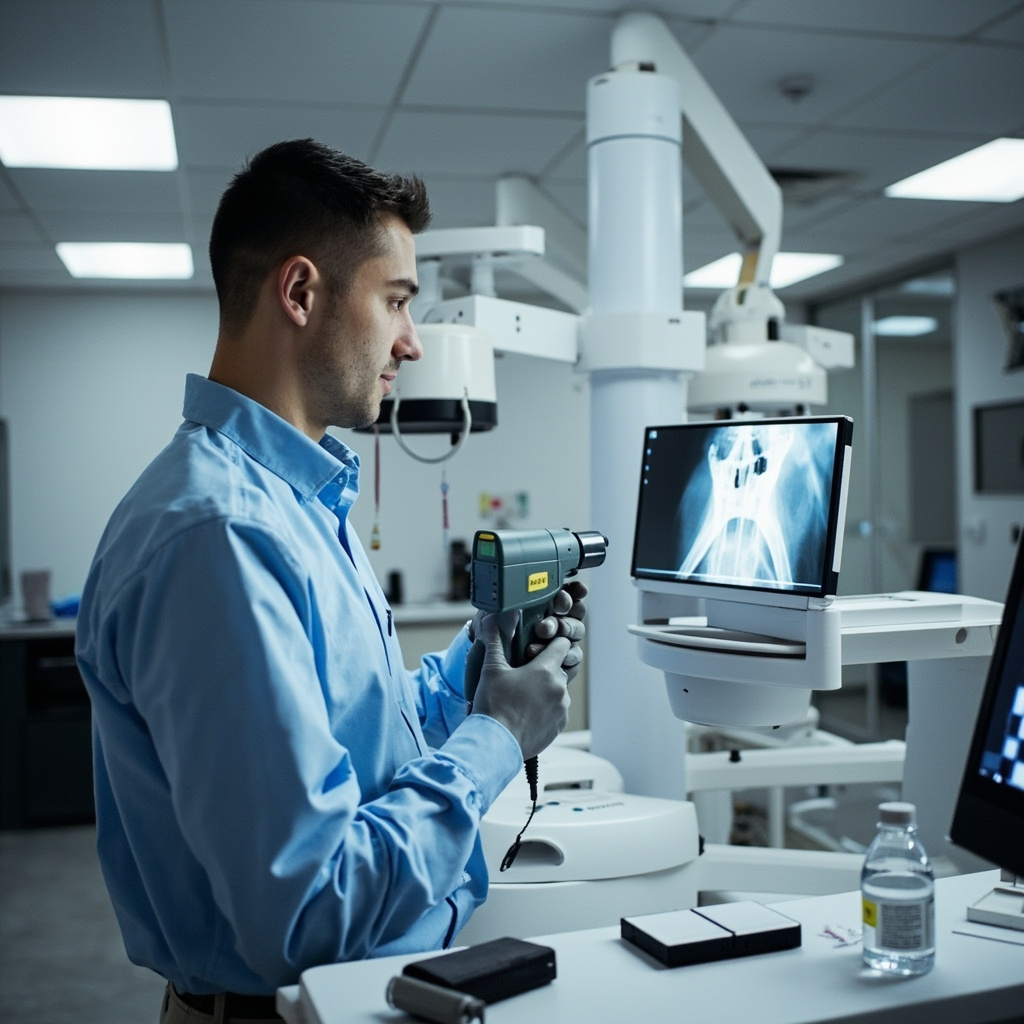
Handheld X-ray devices, while reliable, can experience various technical issues that affect performance and image quality. Understanding common problems and their solutions minimizes downtime and maintains clinical efficiency.
Battery and Power Issues
Battery-related problems represent the most frequent handheld X-ray malfunctions. Symptoms include:
- Insufficient exposure power resulting in underexposed images
- Premature battery depletion during procedures
- Inconsistent exposure timing
- Device shutdown during operation
Solutions: Implement daily battery charging protocols, monitor charge cycles, and replace batteries according to manufacturer specifications. Most lithium-ion batteries require replacement after 500-800 charge cycles.
Exposure Control Malfunctions
Digital control systems may experience calibration drift or component failure, affecting exposure accuracy. Warning signs include:
- Inconsistent image density across multiple exposures
- Error codes displayed on control panel
- Failure to complete exposure cycles
- Unusual heating of device housing
Sensor Communication Problems
Wireless connectivity issues between handheld devices and digital sensors can disrupt workflow efficiency. Common symptoms include:
- Failed image capture despite successful exposure
- Delayed image transfer to computer systems
- Intermittent connection dropouts
- Sensor calibration errors
Quality Assurance Procedures
Regular quality assurance testing ensures consistent device performance and regulatory compliance. The American Dental Association recommends monthly QA testing for handheld X-ray units.
Monthly Performance Tests
Essential monthly tests include:
- Exposure timer accuracy verification
- Radiation output consistency measurement
- Image quality assessment using standardized phantoms
- Battery performance evaluation
- Sensor calibration verification
Annual Professional Inspections
Certified medical physics professionals should conduct comprehensive annual inspections covering radiation safety, mechanical integrity, and electrical systems. These inspections satisfy regulatory requirements and identify potential issues before they affect clinical operations.
Best Practices for 2026
Optimal handheld X-ray device utilization requires adherence to established best practices developed through extensive clinical experience and regulatory guidance.
Staff Training and Certification
All operators must complete manufacturer-specific training programs and maintain current radiation safety certifications. Training should emphasize:
- Proper device handling and positioning techniques
- Patient safety protocols and communication
- Emergency procedures and incident reporting
- Quality assurance testing procedures
- Regulatory compliance requirements
Maintenance Scheduling
Preventive maintenance programs significantly extend device lifespan and maintain performance standards. Recommended maintenance intervals include:
- Daily: Battery charging and visual inspection
- Weekly: Sensor calibration and connectivity testing
- Monthly: Performance quality assurance testing
- Quarterly: Professional inspection and calibration
- Annually: Comprehensive system evaluation and certification
Future Developments
Handheld X-ray technology continues evolving with improvements in battery technology, imaging sensors, and artificial intelligence integration. Emerging developments for 2026 and beyond include enhanced wireless protocols, automated exposure optimization, and integrated image analysis capabilities.
Staying current with technological advances ensures practices maintain competitive advantages while providing optimal patient care through the latest diagnostic imaging capabilities.