Collimator Beam Alignment Testing: Essential Maintenance Guide for Dental X-Ray Equipment


Proper beam alignment in dental X-ray equipment is critical for image quality and radiation safety. The collimator system controls the size and direction of the X-ray beam, making regular alignment testing an essential part of preventive maintenance protocols.
Understanding Collimator Function
The collimator assembly contains lead shutters that shape and limit the X-ray beam to the area of interest. When properly aligned, it ensures the beam is perpendicular to the image receptor and centered within the light field indicators.
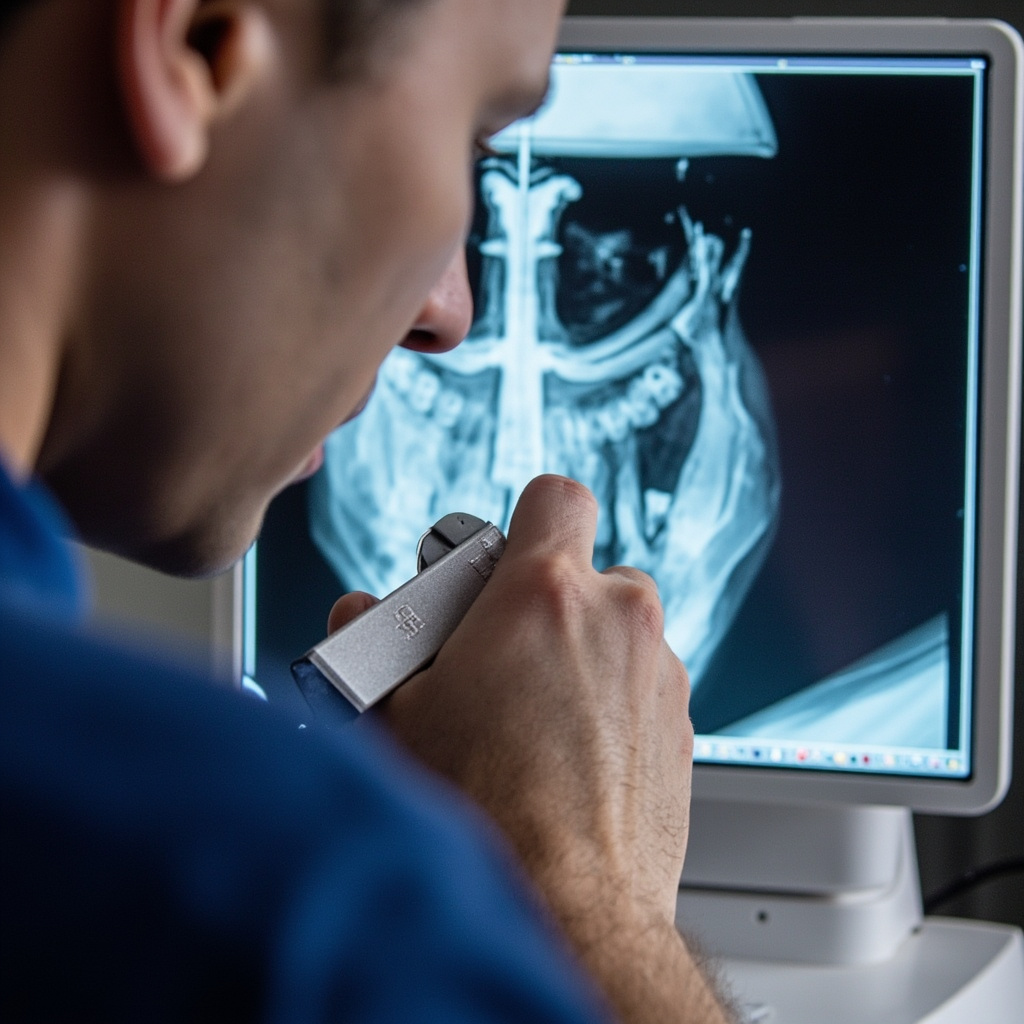
Common Alignment Issues
Several factors can affect collimator beam alignment:
- Mechanical wear: Tube head mounting brackets can loosen over time
- Lead leaf damage: Collimator shutters may become misaligned or damaged
- Vibration effects: Equipment movement during transport or heavy use
- Temperature fluctuations: Expansion and contraction affecting precision components
Testing Procedures
Professional alignment testing should be performed quarterly using specialized beam alignment test tools. These devices provide a simple method to verify that the X-ray beam is perpendicular to the image receptor and properly centered.
Required Equipment
Standard alignment testing requires:
- Beam alignment test device
- Image receptor or test film
- Positioning indicators
- Measurement tools for deviation analysis

Rectangular Collimation Benefits
Modern rectangular collimation systems offer significant advantages over traditional circular collimators. They reduce patient radiation exposure by up to 60% while maintaining diagnostic image quality. However, they require more precise alignment procedures.
Alignment Challenges with Rectangular Collimators
Rectangular systems present unique alignment considerations:
- Four-point alignment verification required
- Rotation adjustments for proper sensor orientation
- Enhanced sensitivity to misalignment
- Specialized positioning devices needed
Professional Service Recommendations
While basic visual inspections can be performed in-house, comprehensive alignment testing requires specialized equipment and training. Annual professional calibration ensures compliance with safety regulations and optimal equipment performance.
Service Schedule
Recommended maintenance intervals:
- Monthly: Visual inspection of collimator housing
- Quarterly: Basic alignment verification
- Annually: Professional calibration and adjustment
- As needed: After equipment relocation or impact
Proper collimator maintenance ensures consistent image quality, reduces retakes, and maintains radiation safety standards. Regular testing protocols help identify alignment issues before they affect diagnostic capability or patient safety.