X-Ray Tube Heat Management: Essential Anode Cooling Systems for Dental Equipment


Proper heat management in dental X-ray tubes is crucial for optimal performance, extended equipment lifespan, and consistent image quality. The anode, which absorbs nearly 99% of the electron beam energy as heat, requires sophisticated cooling systems to prevent overheating and maintain diagnostic accuracy.
Understanding how these cooling systems work and implementing proper maintenance protocols can significantly reduce equipment failures and costly downtime in dental practices.
Understanding X-Ray Tube Heat Generation
When electrons strike the tungsten target on the anode, only about 1% of the energy converts to X-rays. The remaining 99% becomes heat that must be dissipated efficiently to prevent damage to the tube components.
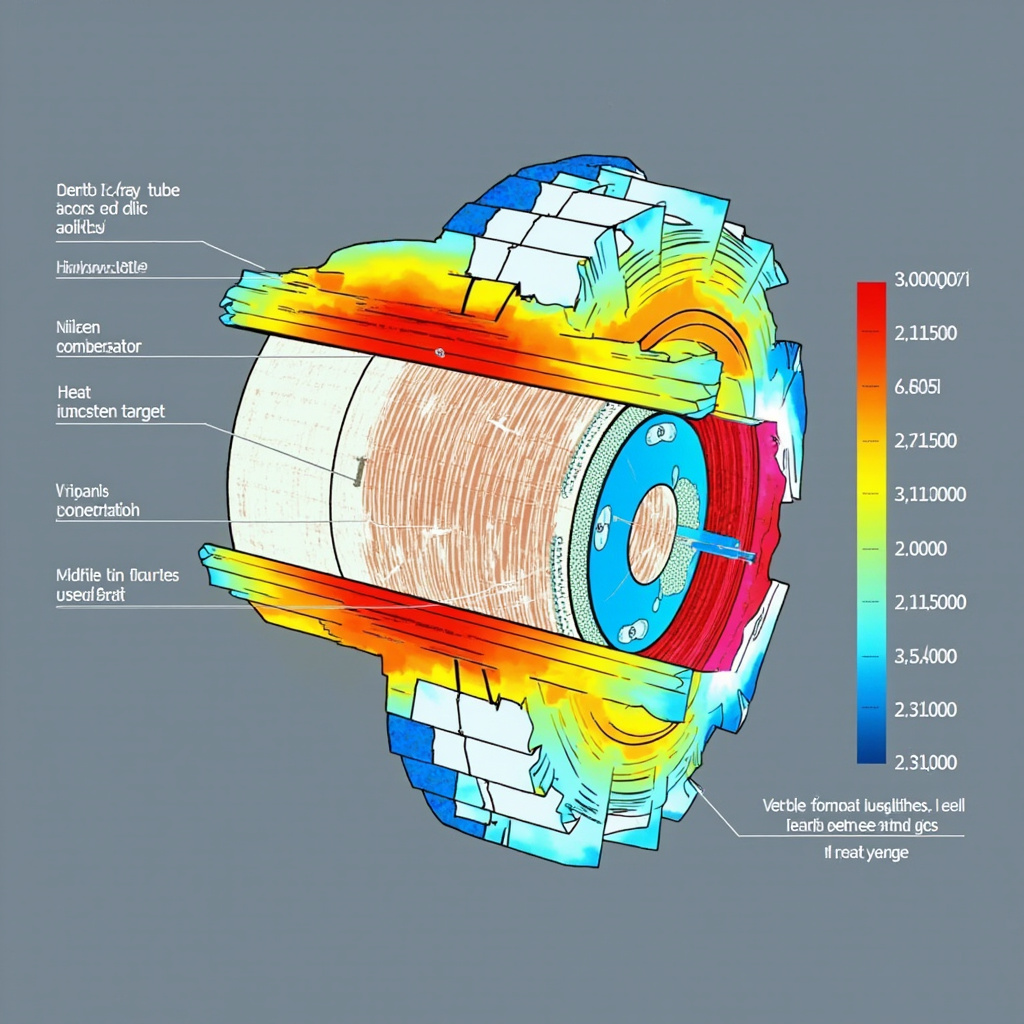
The heat concentration at the focal spot creates temperatures exceeding 1000°C during exposures. Without proper cooling, this extreme heat can cause:
- Tungsten target deterioration
- Anode warping or cracking
- Vacuum loss in the tube envelope
- Reduced X-ray output and image quality
- Complete tube failure requiring expensive replacement
Types of Anode Cooling Systems
Rotating Anode Systems
Most modern dental X-ray equipment uses rotating anodes that distribute heat over a larger surface area. The tungsten disc rotates at 3,000 to 10,000 RPM, spreading the electron beam impact across the entire target track rather than concentrating it on a single spot.
Key components include:
- Rotor assembly with high-temperature bearings
- Stator windings for electromagnetic rotation
- Heat-resistant target materials (tungsten-rhenium alloys)
- Cooling fins integrated into the anode stem
Oil-Immersed Housing Cooling
The X-ray tube housing contains specialized dielectric oil that serves multiple functions:
- Electrical insulation between components
- Heat absorption from the tube assembly
- Heat transfer to external cooling fins or radiators
- Vibration dampening during operation
Maintenance and Monitoring Protocols
Regular monitoring of cooling system performance prevents unexpected failures and extends equipment life. Key maintenance tasks include:

Temperature Monitoring
Modern X-ray systems include thermal sensors that track anode and housing temperatures. Establish baseline readings and monitor for gradual increases that indicate cooling system degradation.
- Check temperature readings daily during startup
- Log maximum temperatures reached during busy periods
- Set alerts for temperatures exceeding manufacturer specifications
- Schedule immediate service if temperatures trend upward
Cooling System Inspection
Visual inspection of cooling components should be performed monthly:
- Clean dust and debris from cooling fins and vents
- Check oil levels and clarity (if accessible)
- Inspect fan operation and airflow patterns
- Verify proper ventilation around equipment
- Test cooling system alarms and safety interlocks
Signs of Cooling System Problems
Early detection of cooling issues prevents costly tube replacements. Watch for these warning signs:
- Longer warmup times before equipment reaches ready status
- Reduced maximum technique factors available
- Frequent thermal protection shutdowns
- Unusual noise from cooling fans or oil circulation pumps
- Visible oil leaks around tube housing
- Image quality degradation or artifacts
Optimizing Heat Management
Dental practices can implement several strategies to minimize heat stress on X-ray tubes:
- Technique Selection: Use lowest practical kVp and mAs combinations for adequate image quality
- Exposure Timing: Allow adequate cooling time between multiple exposures
- Environmental Control: Maintain proper room temperature and ventilation
- Preventive Loading: Gradually increase technique factors during initial daily use
- Regular Calibration: Ensure accurate exposure parameters to prevent unnecessary heat generation
Modern Cooling Innovations
Recent advances in X-ray tube cooling technology include:
- Liquid metal jet anodes for ultra-high heat capacity
- Advanced heat exchanger designs with improved efficiency
- Real-time thermal modeling for predictive maintenance
- Smart cooling systems that adjust based on workload patterns
- Composite anode materials with superior thermal properties
Conclusion
Effective heat management in dental X-ray equipment requires understanding the thermal challenges, implementing proper cooling systems, and maintaining vigilant monitoring protocols. By prioritizing anode cooling system maintenance, dental practices can maximize equipment reliability, reduce operating costs, and ensure consistent diagnostic image quality.
Regular training of staff on thermal management principles and cooling system operation creates a foundation for long-term equipment success and patient care excellence.