Bite Block Positioning Techniques and Patient Comfort in Dental Radiography: Essential Best Practices Guide

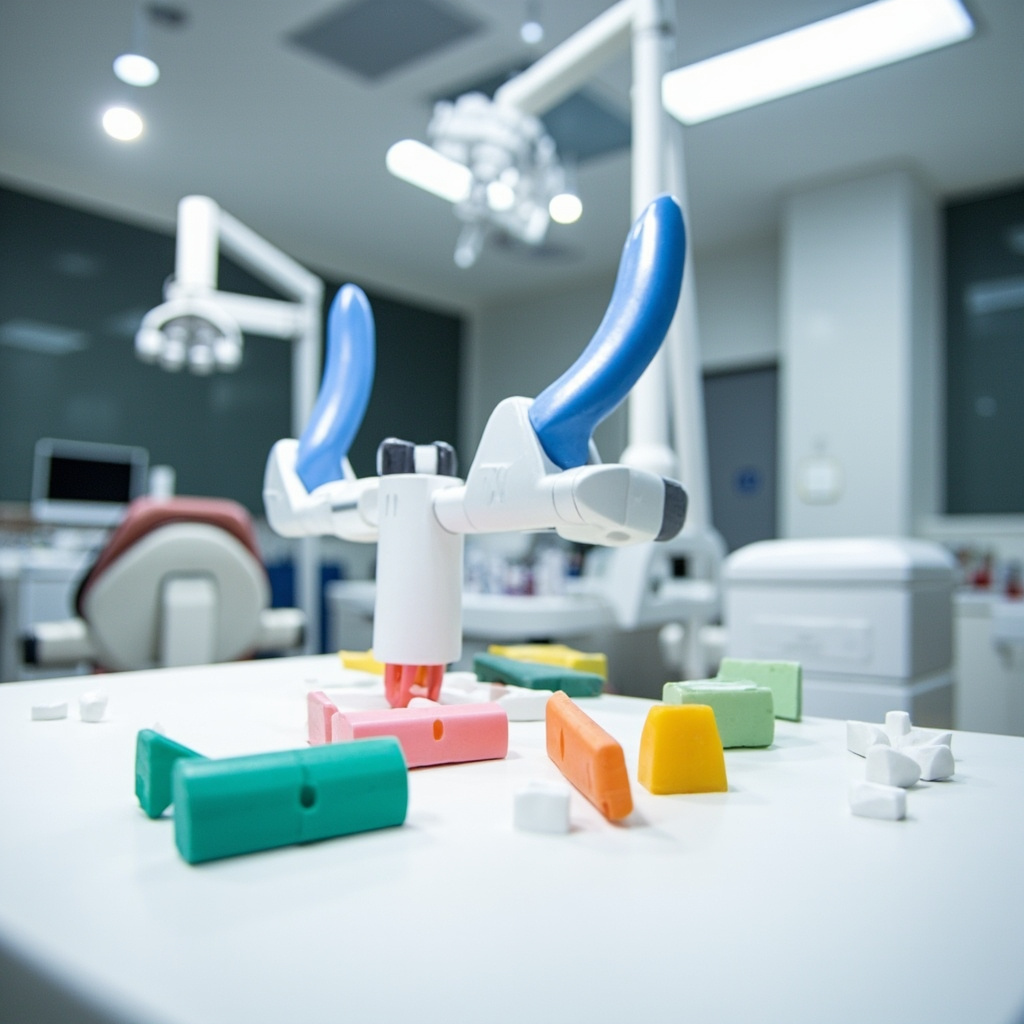
Proper bite block positioning is fundamental to obtaining high-quality dental radiographs while ensuring maximum patient comfort. Modern radiographic positioning techniques focus on ergonomic design and patient-centered approaches that reduce anxiety and improve diagnostic outcomes.
Understanding Bite Block Technology and Design
Contemporary bite blocks feature rounded edges and reduced thickness specifically engineered to enhance patient comfort during radiographic procedures. The color-coded system (typically blue for anterior, yellow for posterior, and red for bitewing) allows for quick identification and proper alignment, significantly reducing positioning errors and retakes.
The open bite block design provides a softer bite experience while maintaining receptor stability. This approach is particularly beneficial for patients with limited mouth opening or those who experience discomfort with traditional positioning devices.
Optimal Positioning Techniques for Patient Comfort
The preferred positioning method involves placing the bite block and receptor in the correct position first, then having the patient slowly bite to maintain placement. This technique prevents the common error of having patients bite the receptor into place, which often leads to positioning mistakes and patient discomfort.
Key Positioning Principles
- Position the receptor more lingually where the palate and floor are deeper for easier placement
- Ensure the receptor remains perpendicular to the occlusal plane to prevent image distortion
- Allow patients to control the biting pressure rather than forcing the position
- Use gentle, guided movements to achieve optimal alignment
Advanced Techniques for Special Patient Populations
Special considerations apply to different patient groups, particularly those with anatomical variations or physical limitations. For edentulous patients requiring panoramic radiographs, specialized bite blocks with enhanced stability features provide better bilateral symmetry and reduced patient movement during exposure.
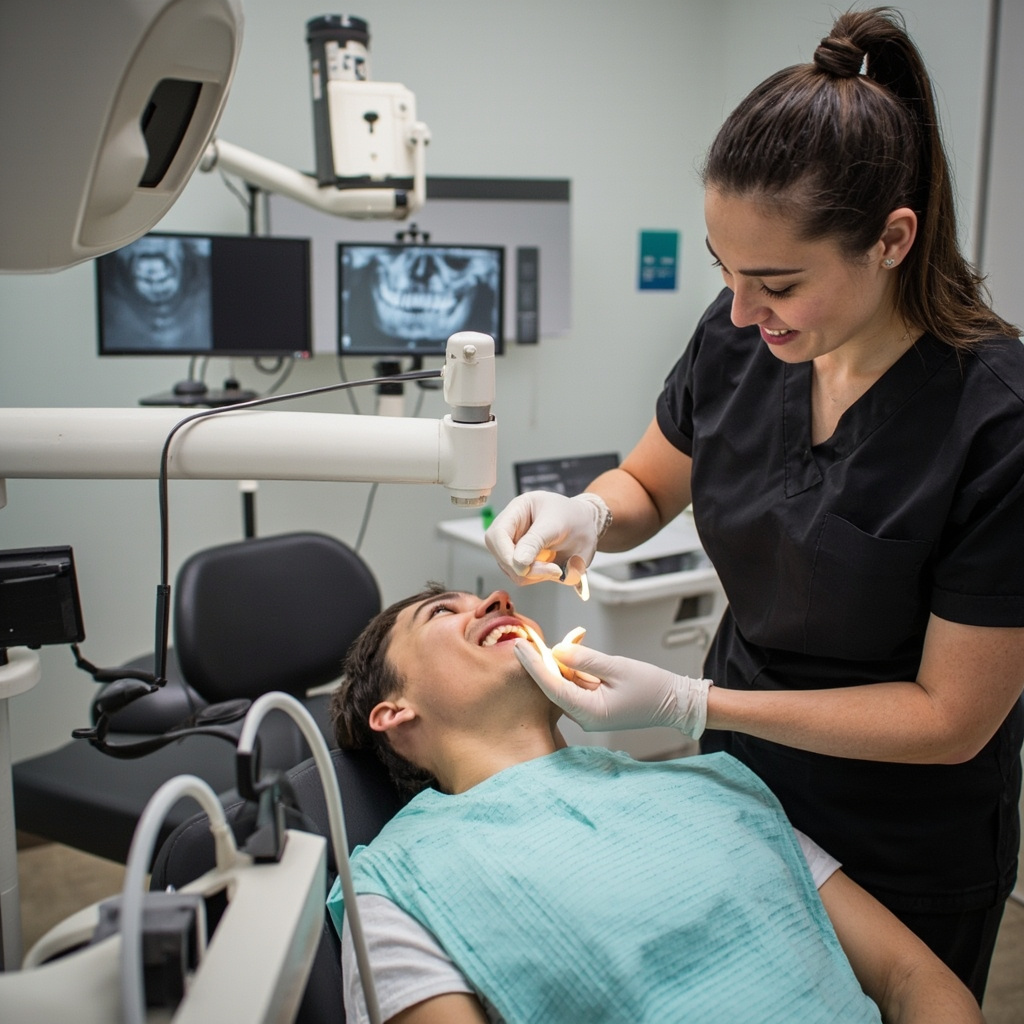
The Frankfort horizontal plane alignment is critical for panoramic positioning, and specialized bite blocks help maintain proper head position throughout the exposure cycle. These devices reduce common positioning errors that can compromise image quality and require retakes.
Comfort Enhancement Strategies
Modern positioning systems incorporate several comfort-enhancing features:
- Lightweight construction to reduce fatigue during longer procedures
- Smooth, rounded surfaces that eliminate pressure points
- Ergonomic shapes that conform to natural oral anatomy
- Quick assembly systems that minimize chair time
Quality Assurance and Error Prevention
Proper bite block positioning directly impacts image quality and diagnostic value. The extension cone paralleling technique, when combined with appropriate bite block selection, ensures distortion-free radiographs and prevents cone cutting artifacts that necessitate retakes.
Common Positioning Errors to Avoid
- Placing the bite block on opposing teeth instead of supporting the receptor
- Allowing excessive receptor movement during exposure
- Improper angulation due to inadequate bite block support
- Rushing the positioning process and causing patient discomfort
Maintenance and Sterilization Protocols
Bite blocks require proper maintenance to ensure patient safety and equipment longevity. Autoclavable bite blocks offer cost-effective sterilization and can withstand repeated use while maintaining their structural integrity and comfort features.
Regular inspection for wear, cracks, or sharp edges is essential to maintain patient comfort and prevent potential injuries. Replace damaged components immediately to ensure consistent performance and patient safety.
Future Developments in Positioning Technology
Emerging technologies continue to improve bite block design and positioning accuracy. Digital integration features allow for better workflow coordination between positioning devices and imaging software, while enhanced ergonomic designs focus on reducing patient stress and improving overall experience.
The evolution toward patient-centered radiographic procedures emphasizes the importance of proper positioning technique training and equipment selection. Investing in quality positioning systems with comfort-focused features ultimately benefits both patients and practitioners through improved image quality and reduced procedural time.