X-Ray Tube Heat Management: Essential Anode Cooling Systems for Dental Equipment

Proper heat management in dental X-ray tubes is crucial for optimal performance, extended equipment lifespan, and consistent image quality. The anode, which absorbs nearly 99% of the electron beam energy as heat, requires sophisticated cooling systems to prevent overheating and maintain diagnostic accuracy.

Understanding how these cooling systems work and implementing proper maintenance protocols can significantly reduce equipment failures and costly downtime in dental practices.

Understanding X-Ray Tube Heat Generation

When electrons strike the tungsten target on the anode, only about 1% of the energy converts to X-rays. The remaining 99% becomes heat that must be dissipated efficiently to prevent damage to the tube components.
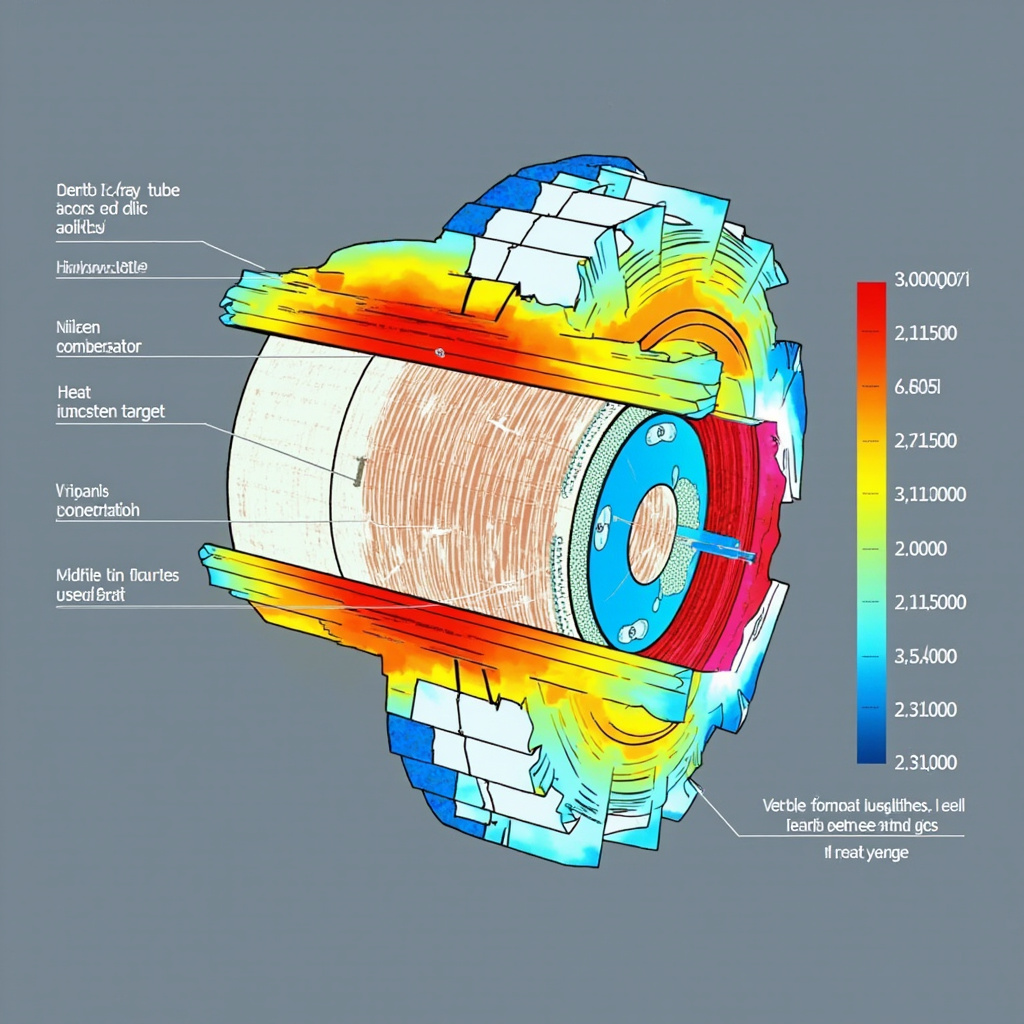
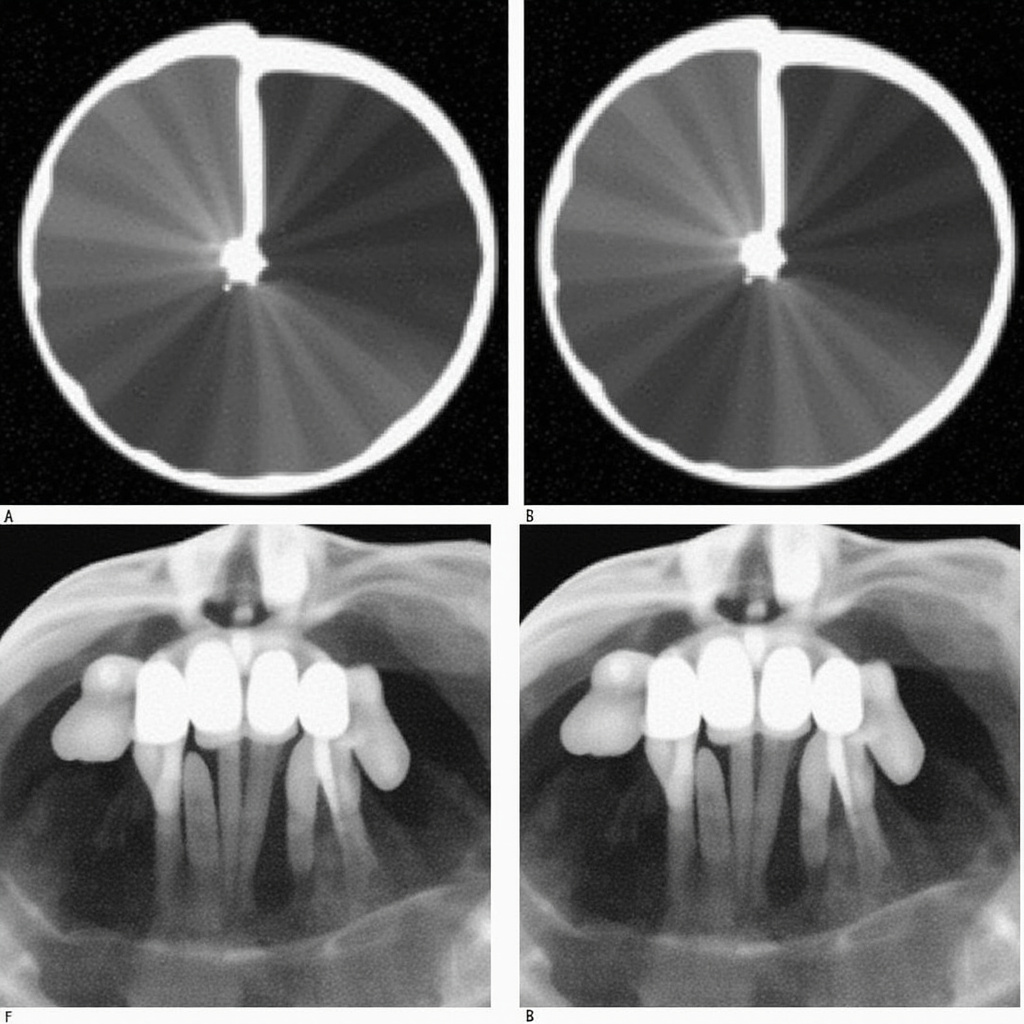
Cross-section diagram of dental X-ray tube anode

The heat concentration at the focal spot creates temperatures exceeding 1000°C during exposures. Without proper cooling, this extreme heat can cause:

  • Tungsten target deterioration
  • Anode warping or cracking
  • Vacuum loss in the tube envelope
  • Reduced X-ray output and image quality
  • Complete tube failure requiring expensive replacement

Types of Anode Cooling Systems

Rotating Anode Systems

Most modern dental X-ray equipment uses rotating anodes that distribute heat over a larger surface area. The tungsten disc rotates at 3,000 to 10,000 RPM, spreading the electron beam impact across the entire target track rather than concentrating it on a single spot.

Key components include:

  • Rotor assembly with high-temperature bearings
  • Stator windings for electromagnetic rotation
  • Heat-resistant target materials (tungsten-rhenium alloys)
  • Cooling fins integrated into the anode stem

Oil-Immersed Housing Cooling

The X-ray tube housing contains specialized dielectric oil that serves multiple functions:

  • Electrical insulation between components
  • Heat absorption from the tube assembly
  • Heat transfer to external cooling fins or radiators
  • Vibration dampening during operation

Maintenance and Monitoring Protocols

Regular monitoring of cooling system performance prevents unexpected failures and extends equipment life. Key maintenance tasks include:

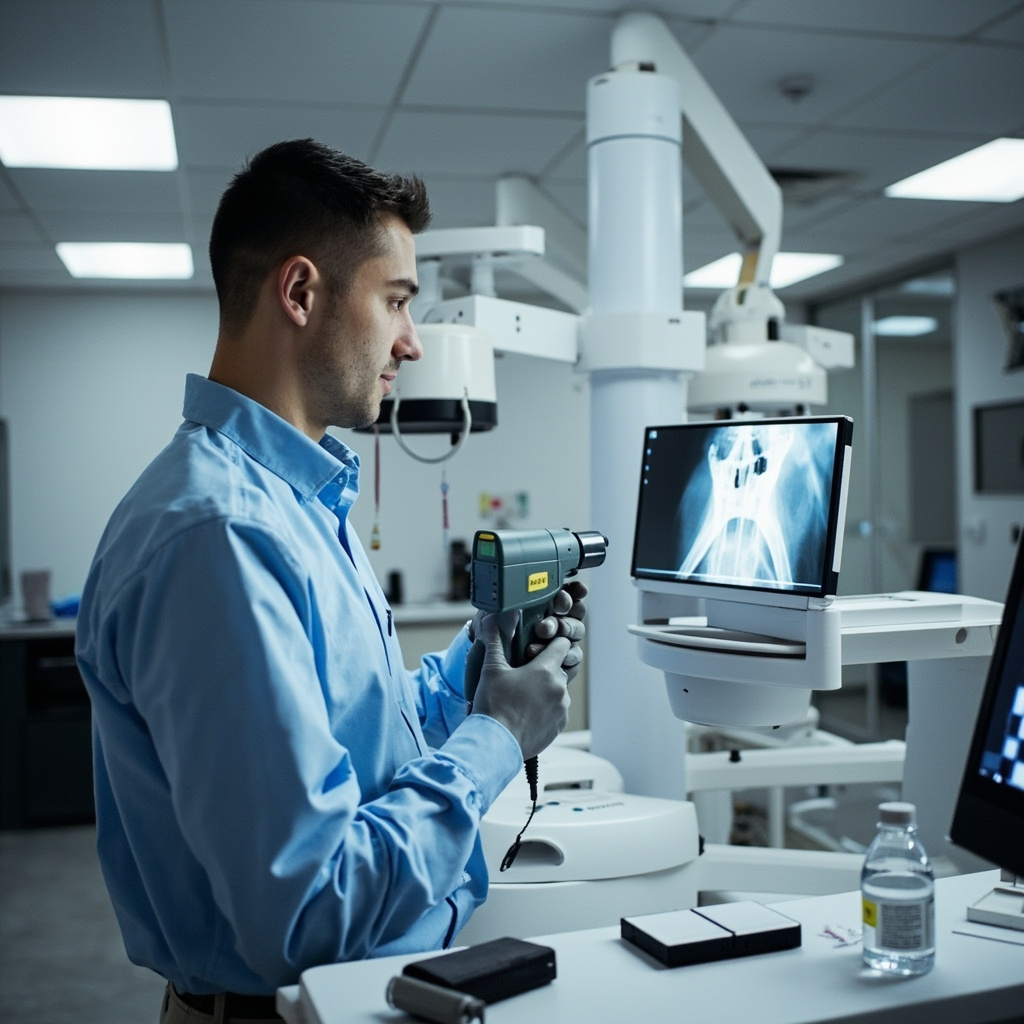
Technician performing X-ray cooling system maintenance

Temperature Monitoring

Modern X-ray systems include thermal sensors that track anode and housing temperatures. Establish baseline readings and monitor for gradual increases that indicate cooling system degradation.

  • Check temperature readings daily during startup
  • Log maximum temperatures reached during busy periods
  • Set alerts for temperatures exceeding manufacturer specifications
  • Schedule immediate service if temperatures trend upward

Cooling System Inspection

Visual inspection of cooling components should be performed monthly:

  • Clean dust and debris from cooling fins and vents
  • Check oil levels and clarity (if accessible)
  • Inspect fan operation and airflow patterns
  • Verify proper ventilation around equipment
  • Test cooling system alarms and safety interlocks

Signs of Cooling System Problems

Early detection of cooling issues prevents costly tube replacements. Watch for these warning signs:

  • Longer warmup times before equipment reaches ready status
  • Reduced maximum technique factors available
  • Frequent thermal protection shutdowns
  • Unusual noise from cooling fans or oil circulation pumps
  • Visible oil leaks around tube housing
  • Image quality degradation or artifacts

Optimizing Heat Management

Dental practices can implement several strategies to minimize heat stress on X-ray tubes:

  • Technique Selection: Use lowest practical kVp and mAs combinations for adequate image quality
  • Exposure Timing: Allow adequate cooling time between multiple exposures
  • Environmental Control: Maintain proper room temperature and ventilation
  • Preventive Loading: Gradually increase technique factors during initial daily use
  • Regular Calibration: Ensure accurate exposure parameters to prevent unnecessary heat generation

Modern Cooling Innovations

Recent advances in X-ray tube cooling technology include:

  • Liquid metal jet anodes for ultra-high heat capacity
  • Advanced heat exchanger designs with improved efficiency
  • Real-time thermal modeling for predictive maintenance
  • Smart cooling systems that adjust based on workload patterns
  • Composite anode materials with superior thermal properties

Conclusion

Effective heat management in dental X-ray equipment requires understanding the thermal challenges, implementing proper cooling systems, and maintaining vigilant monitoring protocols. By prioritizing anode cooling system maintenance, dental practices can maximize equipment reliability, reduce operating costs, and ensure consistent diagnostic image quality.

Regular training of staff on thermal management principles and cooling system operation creates a foundation for long-term equipment success and patient care excellence.

Collimator Beam Alignment Testing: Essential Maintenance Guide for Dental X-Ray Equipment

Proper beam alignment in dental X-ray equipment is critical for image quality and radiation safety. The collimator system controls the size and direction of the X-ray beam, making regular alignment testing an essential part of preventive maintenance protocols.

Understanding Collimator Function

The collimator assembly contains lead shutters that shape and limit the X-ray beam to the area of interest. When properly aligned, it ensures the beam is perpendicular to the image receptor and centered within the light field indicators.

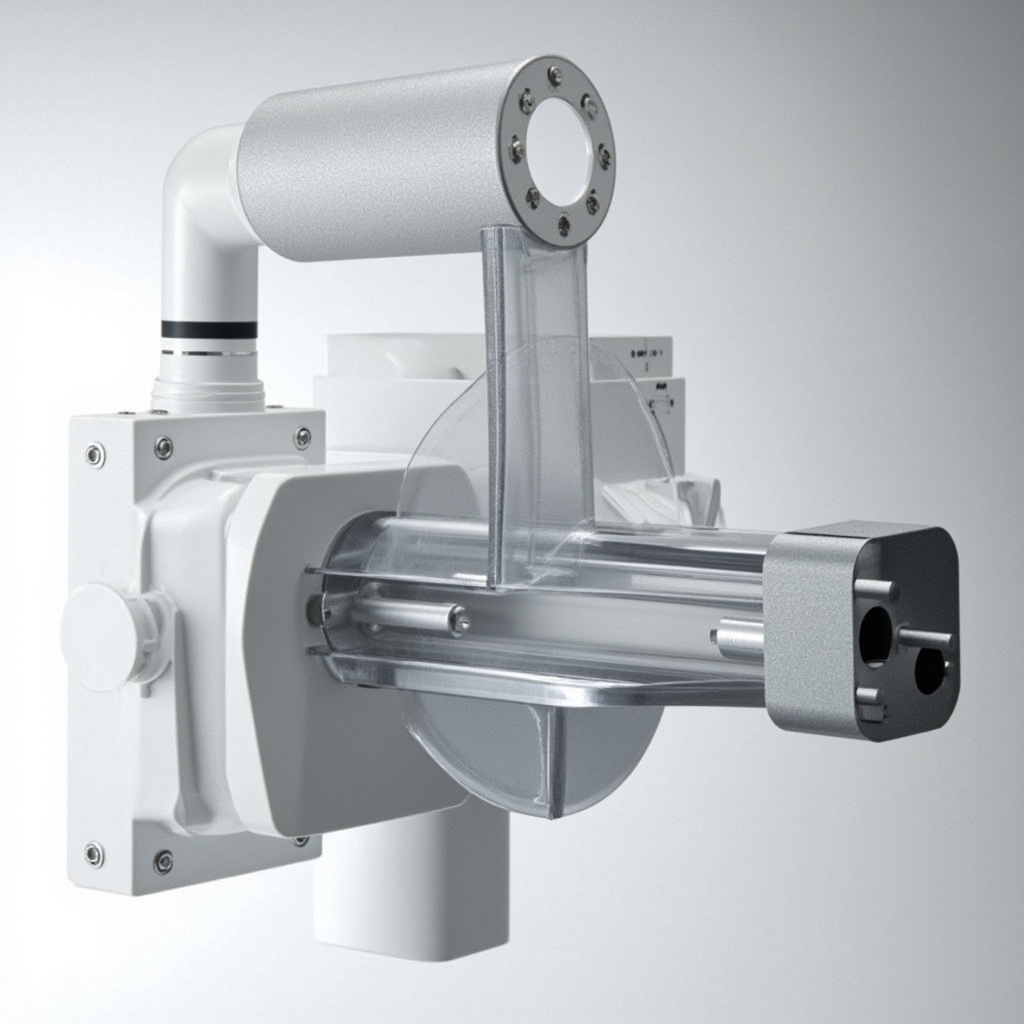
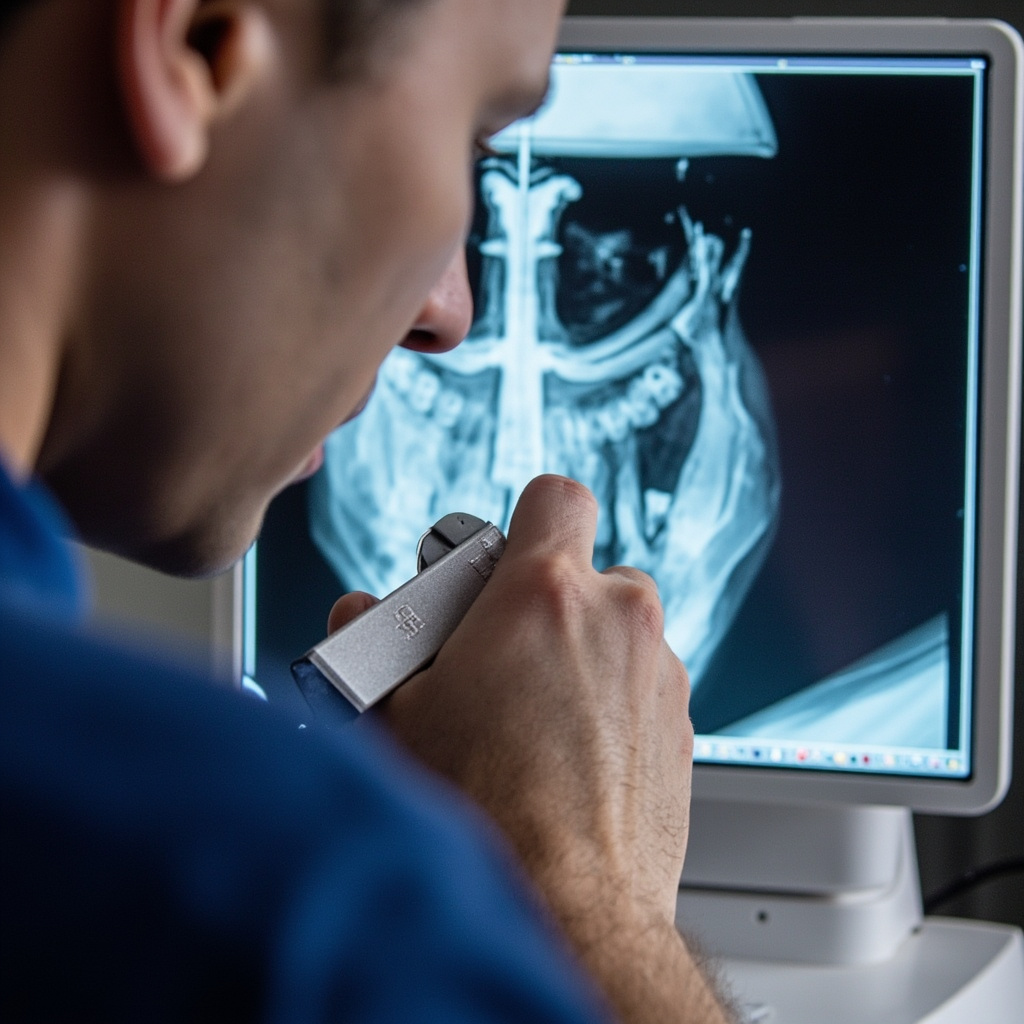
Dental technician using beam alignment test tool

Common Alignment Issues

Several factors can affect collimator beam alignment:

  • Mechanical wear: Tube head mounting brackets can loosen over time
  • Lead leaf damage: Collimator shutters may become misaligned or damaged
  • Vibration effects: Equipment movement during transport or heavy use
  • Temperature fluctuations: Expansion and contraction affecting precision components

Testing Procedures

Professional alignment testing should be performed quarterly using specialized beam alignment test tools. These devices provide a simple method to verify that the X-ray beam is perpendicular to the image receptor and properly centered.

Required Equipment

Standard alignment testing requires:

  • Beam alignment test device
  • Image receptor or test film
  • Positioning indicators
  • Measurement tools for deviation analysis

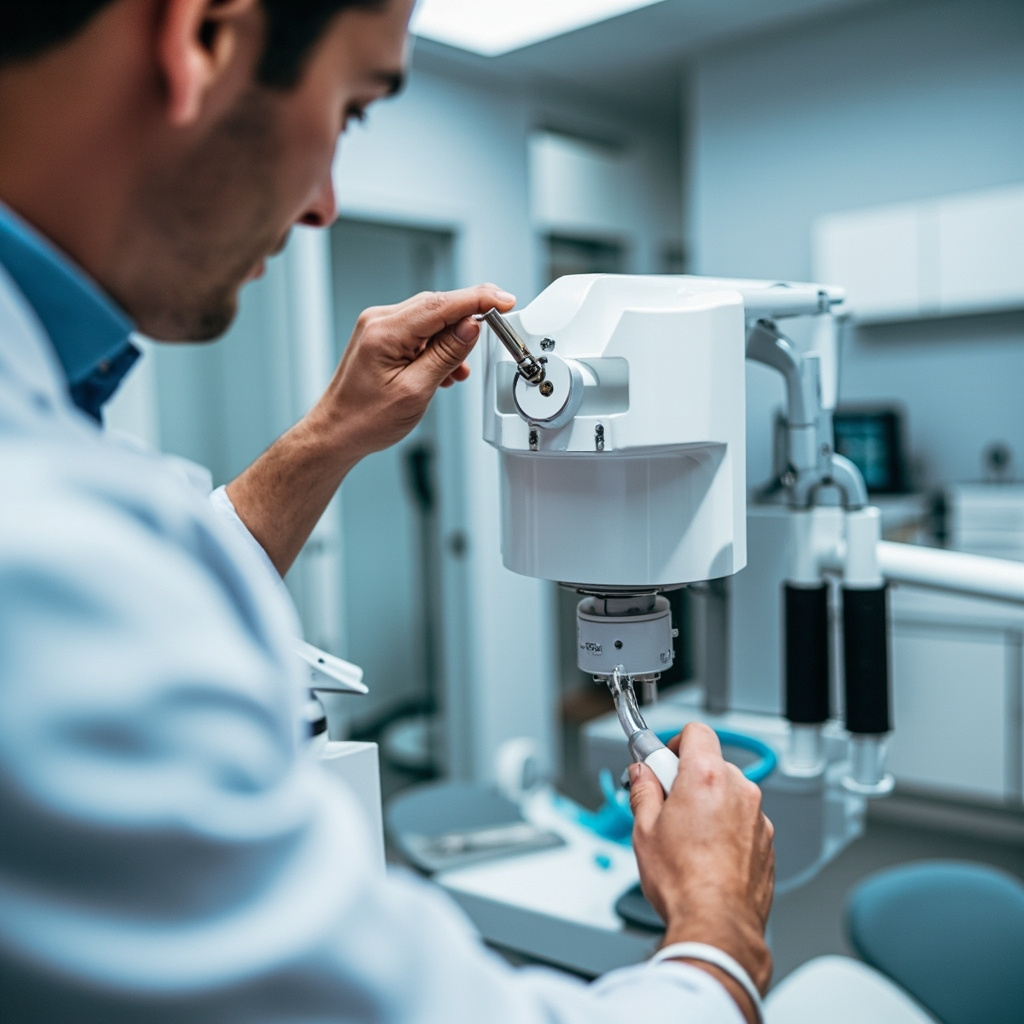
X-ray collimator lead leaf adjustment mechanism

Rectangular Collimation Benefits

Modern rectangular collimation systems offer significant advantages over traditional circular collimators. They reduce patient radiation exposure by up to 60% while maintaining diagnostic image quality. However, they require more precise alignment procedures.

Alignment Challenges with Rectangular Collimators

Rectangular systems present unique alignment considerations:

  • Four-point alignment verification required
  • Rotation adjustments for proper sensor orientation
  • Enhanced sensitivity to misalignment
  • Specialized positioning devices needed

Professional Service Recommendations

While basic visual inspections can be performed in-house, comprehensive alignment testing requires specialized equipment and training. Annual professional calibration ensures compliance with safety regulations and optimal equipment performance.

Service Schedule

Recommended maintenance intervals:

  • Monthly: Visual inspection of collimator housing
  • Quarterly: Basic alignment verification
  • Annually: Professional calibration and adjustment
  • As needed: After equipment relocation or impact

Proper collimator maintenance ensures consistent image quality, reduces retakes, and maintains radiation safety standards. Regular testing protocols help identify alignment issues before they affect diagnostic capability or patient safety.

Handheld Dental X-Ray Devices: Safety Protocols and Troubleshooting Guide for 2026

Handheld dental X-ray devices have revolutionized dental radiography by providing portability, flexibility, and enhanced patient care in various clinical settings. However, their unique operating characteristics and safety requirements demand specific protocols and troubleshooting approaches to ensure optimal performance and regulatory compliance.

Understanding Handheld X-Ray Technology

Handheld dental X-ray units represent a significant advancement in portable radiographic technology. Unlike traditional wall-mounted systems, these devices integrate the X-ray tube, power supply, and control systems into a compact, battery-operated unit weighing typically between 4-6 pounds.

Key technological features include:

  • Rechargeable lithium-ion battery systems
  • Digital exposure controls with preset technique charts
  • Integrated radiation shielding and backscatter protection
  • LED status indicators and audible feedback systems
  • Wireless connectivity for digital sensor integration

2026 Safety Regulations and Compliance

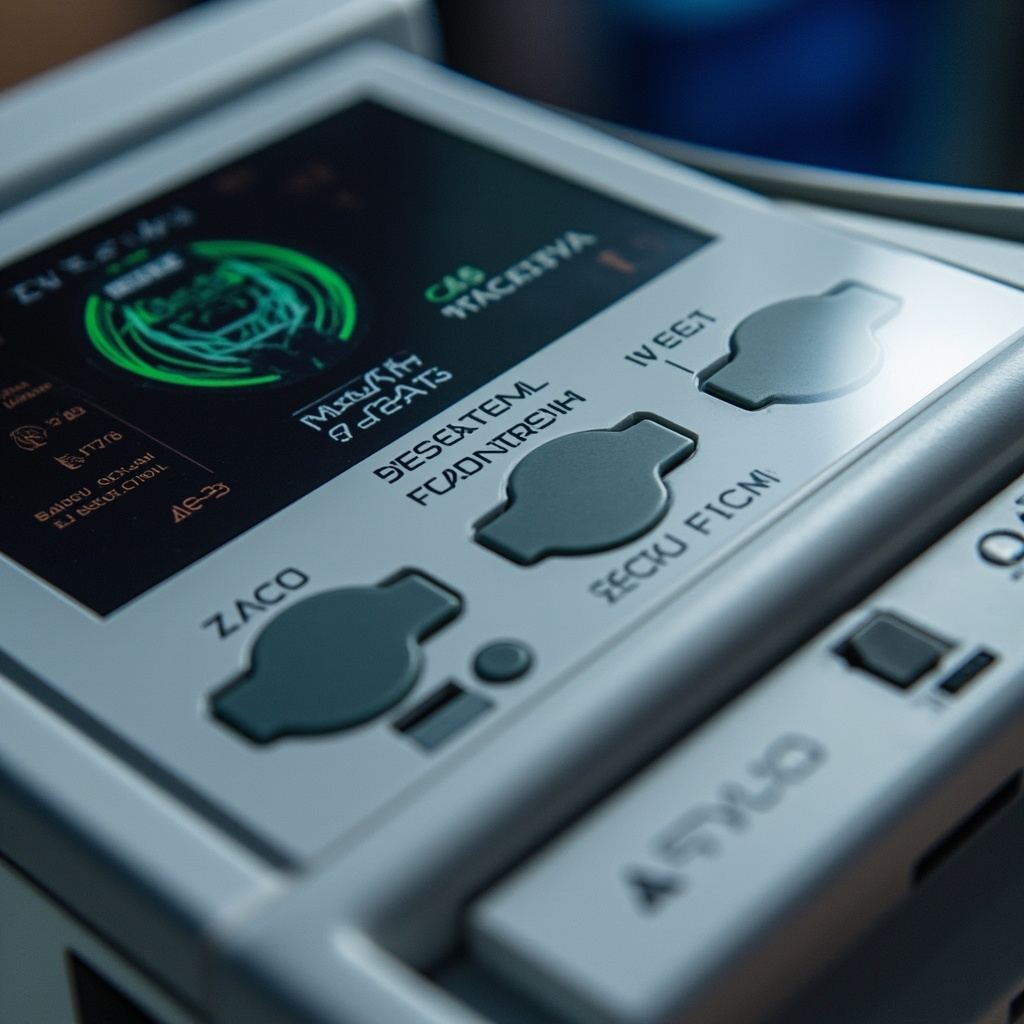
Handheld X-ray device controls and safety features

The FDA and state regulatory agencies have established comprehensive guidelines for handheld X-ray device operation in 2026. These regulations address both operator safety and patient protection through specific performance standards.

Operator Safety Requirements

All dental staff operating handheld X-ray devices must maintain a minimum 6-foot distance during exposure or utilize appropriate radiation protection barriers. Personal dosimetry monitoring is mandatory for all operators, with quarterly dose reports required for regulatory compliance.

Device Registration and Inspection

Handheld X-ray units require annual registration with state radiation control programs and biennial performance inspections. Documentation must include:

  • Serial numbers and model specifications
  • Exposure technique validation records
  • Quality assurance test results
  • Staff training certifications
  • Incident reporting protocols

Essential Safety Protocols

Implementing comprehensive safety protocols ensures both regulatory compliance and optimal clinical outcomes. These protocols address equipment handling, patient positioning, and exposure procedures.

Pre-Exposure Checklist

Before each use, operators must verify device functionality through systematic checks:

  • Battery charge level (minimum 75% recommended)
  • Proper sensor connection and calibration
  • Exposure timer accuracy verification
  • Radiation shielding integrity inspection
  • Patient positioning and stabilization

ALARA Principle Implementation

The “As Low As Reasonably Achievable” principle remains fundamental to handheld X-ray operations. This includes optimizing exposure parameters based on patient age, anatomy, and diagnostic requirements while maintaining image quality standards.

Common Troubleshooting Issues

Quality assurance testing for handheld X-ray devices

Handheld X-ray devices, while reliable, can experience various technical issues that affect performance and image quality. Understanding common problems and their solutions minimizes downtime and maintains clinical efficiency.

Battery and Power Issues

Battery-related problems represent the most frequent handheld X-ray malfunctions. Symptoms include:

  • Insufficient exposure power resulting in underexposed images
  • Premature battery depletion during procedures
  • Inconsistent exposure timing
  • Device shutdown during operation

Solutions: Implement daily battery charging protocols, monitor charge cycles, and replace batteries according to manufacturer specifications. Most lithium-ion batteries require replacement after 500-800 charge cycles.

Exposure Control Malfunctions

Digital control systems may experience calibration drift or component failure, affecting exposure accuracy. Warning signs include:

  • Inconsistent image density across multiple exposures
  • Error codes displayed on control panel
  • Failure to complete exposure cycles
  • Unusual heating of device housing

Sensor Communication Problems

Wireless connectivity issues between handheld devices and digital sensors can disrupt workflow efficiency. Common symptoms include:

  • Failed image capture despite successful exposure
  • Delayed image transfer to computer systems
  • Intermittent connection dropouts
  • Sensor calibration errors

Quality Assurance Procedures

Regular quality assurance testing ensures consistent device performance and regulatory compliance. The American Dental Association recommends monthly QA testing for handheld X-ray units.

Monthly Performance Tests

Essential monthly tests include:

  • Exposure timer accuracy verification
  • Radiation output consistency measurement
  • Image quality assessment using standardized phantoms
  • Battery performance evaluation
  • Sensor calibration verification

Annual Professional Inspections

Certified medical physics professionals should conduct comprehensive annual inspections covering radiation safety, mechanical integrity, and electrical systems. These inspections satisfy regulatory requirements and identify potential issues before they affect clinical operations.

Best Practices for 2026

Optimal handheld X-ray device utilization requires adherence to established best practices developed through extensive clinical experience and regulatory guidance.

Staff Training and Certification

All operators must complete manufacturer-specific training programs and maintain current radiation safety certifications. Training should emphasize:

  • Proper device handling and positioning techniques
  • Patient safety protocols and communication
  • Emergency procedures and incident reporting
  • Quality assurance testing procedures
  • Regulatory compliance requirements

Maintenance Scheduling

Preventive maintenance programs significantly extend device lifespan and maintain performance standards. Recommended maintenance intervals include:

  • Daily: Battery charging and visual inspection
  • Weekly: Sensor calibration and connectivity testing
  • Monthly: Performance quality assurance testing
  • Quarterly: Professional inspection and calibration
  • Annually: Comprehensive system evaluation and certification

Future Developments

Handheld X-ray technology continues evolving with improvements in battery technology, imaging sensors, and artificial intelligence integration. Emerging developments for 2026 and beyond include enhanced wireless protocols, automated exposure optimization, and integrated image analysis capabilities.

Staying current with technological advances ensures practices maintain competitive advantages while providing optimal patient care through the latest diagnostic imaging capabilities.

Dental X-Ray Power Supply Issues: Diagnosing and Resolving Voltage Problems

Power supply problems can severely impact dental X-ray equipment performance, leading to inconsistent image quality, equipment failures, and costly downtime. Understanding how to diagnose and resolve voltage-related issues is essential for maintaining reliable X-ray operations in your dental practice.

Common Power Supply Problems in Dental X-Ray Equipment

Dental X-ray systems are sensitive to electrical fluctuations and require stable power to function optimally. The most frequent power-related issues include:

  • Voltage fluctuations: Inconsistent power delivery causing exposure variations
  • Power surges: Sudden voltage spikes that can damage sensitive components
  • Brownouts: Temporary voltage drops that affect image quality
  • Electrical noise: Interference from other equipment causing image artifacts
  • Ground faults: Improper grounding leading to safety and performance issues

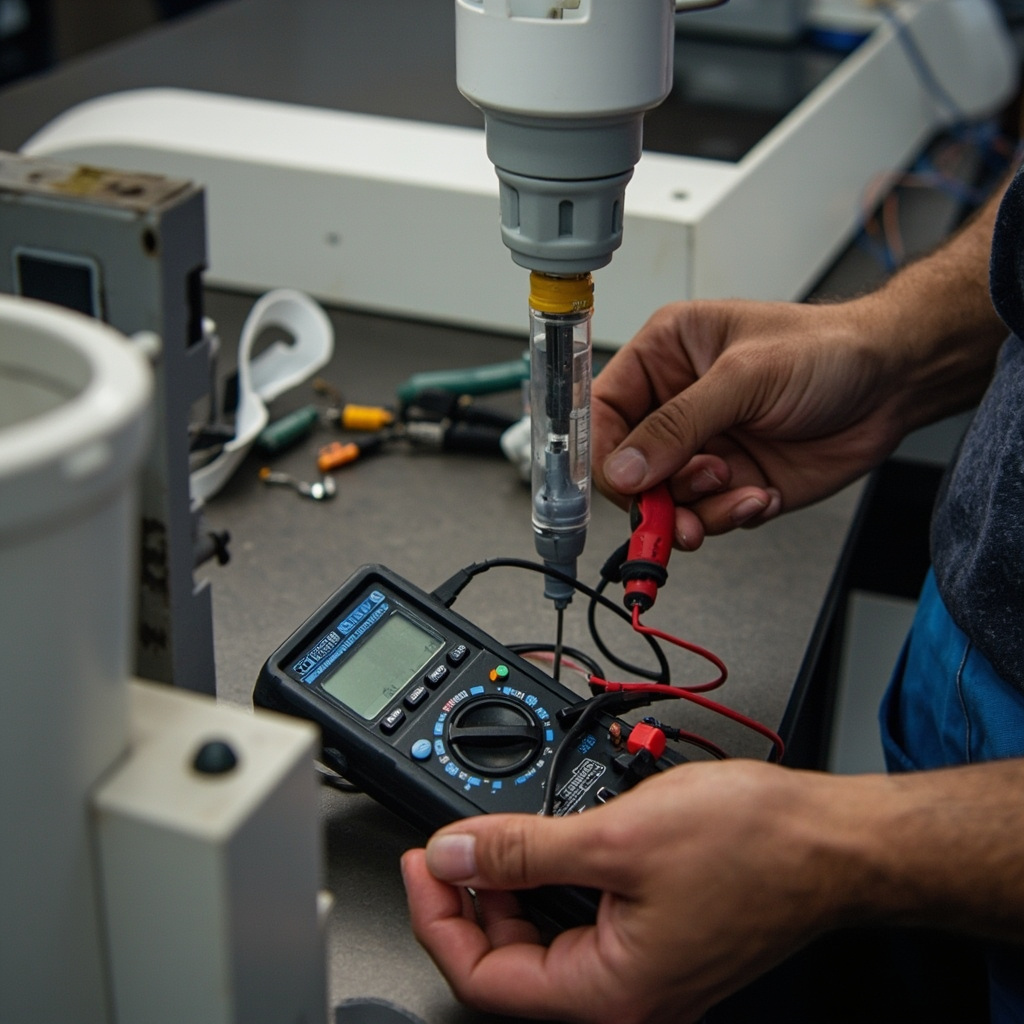
Electrical multimeter testing dental X-ray equipment voltage

Diagnostic Procedures for Power Supply Issues

Proper diagnosis begins with systematic testing of your electrical infrastructure:

Voltage Testing

Use a quality multimeter to measure:

  • Supply voltage at the main panel (should be 208-240V for most dental X-ray units)
  • Voltage at the X-ray unit connection point
  • Voltage under load during X-ray exposures
  • Ground continuity and resistance

Load Analysis

Examine your electrical system capacity:

  • Calculate total amperage draw during X-ray operation
  • Identify other high-draw equipment on the same circuit
  • Check for proper circuit sizing and breaker ratings
  • Verify adequate power distribution for peak demand periods

Resolution Strategies

Once you’ve identified power supply issues, implement these targeted solutions:

Voltage Stabilization

Install voltage regulation equipment to ensure consistent power delivery:

  • Automatic voltage regulators (AVRs): Compensate for minor voltage fluctuations
  • Uninterruptible power supplies (UPS): Provide clean, consistent power and backup during outages
  • Isolation transformers: Reduce electrical noise and provide clean power

Voltage stabilizer and power surge protector devices

Circuit Improvements

Upgrade your electrical infrastructure when necessary:

  • Install dedicated circuits for X-ray equipment
  • Upgrade to appropriate wire gauge for your equipment’s amperage requirements
  • Ensure proper grounding throughout the electrical system
  • Add surge protection devices at the panel and equipment level

Preventive Maintenance

Regular maintenance prevents many power-related problems:

  • Monthly inspections: Check all power connections, cables, and terminations
  • Quarterly testing: Measure voltage, current, and ground resistance
  • Annual assessments: Comprehensive electrical system evaluation by qualified technicians
  • Environmental monitoring: Track temperature and humidity in equipment areas

When to Call Professionals

While some basic troubleshooting can be performed in-house, certain situations require professional intervention:

  • Repeated power supply failures or equipment damage
  • Complex electrical system modifications or upgrades
  • Safety concerns related to grounding or electrical hazards
  • Regulatory compliance issues or inspection requirements

Cost-Benefit Analysis

Investing in power quality solutions pays dividends through:

  • Reduced downtime: Fewer equipment failures and service calls
  • Extended equipment life: Protection from electrical stress and damage
  • Improved image quality: Consistent exposures and diagnostic reliability
  • Lower operating costs: Reduced energy consumption and maintenance expenses

Power supply issues don’t have to disrupt your dental practice operations. With proper diagnosis, targeted solutions, and preventive maintenance, you can ensure reliable X-ray performance and protect your investment in imaging equipment. Regular monitoring and professional support when needed will keep your dental X-ray systems operating at peak efficiency.

Panoramic X-Ray Patient Positioning: Common Errors and Image Quality Solutions

Panoramic X-ray imaging is a critical diagnostic tool in dental practices, providing comprehensive views of the entire oral and maxillofacial region. However, achieving optimal image quality depends heavily on proper patient positioning. Understanding and addressing common positioning errors can significantly improve diagnostic accuracy and reduce the need for retakes.

Understanding Panoramic X-Ray Mechanics

Panoramic radiography utilizes a rotating X-ray source and detector that move around the patient’s head in a predetermined arc. The success of this imaging technique relies on precise patient positioning within the machine’s focal trough – a three-dimensional curved zone where structures appear sharp and clear.

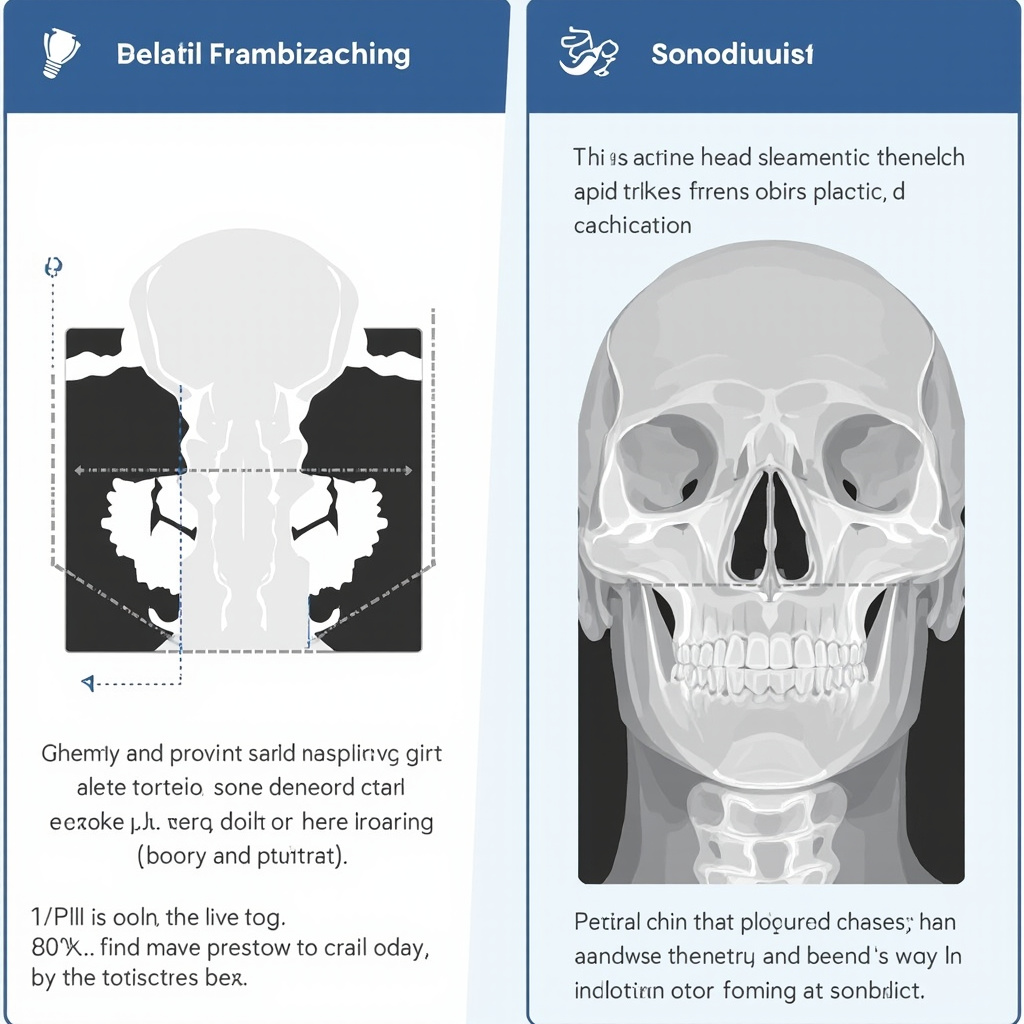
Patient positioning diagram for panoramic X-ray

Most Common Patient Positioning Errors

1. Incorrect Chin Position

The most frequent positioning error involves improper chin placement. When the patient’s chin is tilted too far down, the mandibular incisors appear blurred and elongated, while the maxillary teeth may appear foreshortened. Conversely, chin positioned too high results in a reverse “smile line” appearance and loss of apical detail in the anterior region.

Solution: Position the chin rest so the Frankfurt horizontal plane (from the external auditory meatus to the infraorbital rim) is parallel to the floor. The occlusal plane should have a slight upward curve resembling a smile line.

2. Improper Head Lateral Positioning

When the patient’s head is turned to one side, the resulting image shows unequal magnification of the left and right sides. The side closer to the X-ray source appears larger and more anterior, while the opposite side appears smaller and more posterior.

Solution: Ensure the midsagittal plane is perpendicular to the floor and aligned with the center of the machine. Use the lateral head guides to maintain proper positioning throughout the exposure.

3. Tongue Position Errors

Perhaps the most overlooked positioning factor is tongue placement. When the tongue is not pressed firmly against the hard palate, a large dark shadow appears over the apical regions of the maxillary teeth, obscuring important diagnostic information.

Solution: Instruct the patient to place their tongue flat against the roof of their mouth and maintain this position throughout the entire exposure cycle. Consider using positioning aids or verbal reminders during exposure.

Comparison of panoramic X-ray image quality

Advanced Positioning Considerations

Spine and Shoulder Positioning

The cervical spine should be straight and shoulders positioned evenly. Hunched or uneven shoulders can create ghost images that overlap with the mandibular ramus and posterior teeth. Patients should stand or sit erect with shoulders relaxed and positioned away from the path of the X-ray beam.

Bite Block Placement

Proper bite block positioning ensures the anterior teeth are correctly positioned in the focal trough. The bite block should be placed so the patient bites gently with their incisors, creating approximately 2-3mm of separation between upper and lower teeth.

Quality Assessment Protocols

Implement a systematic quality assessment protocol for all panoramic images:

  • Symmetry: Compare left and right sides for equal magnification
  • Anterior region: Check for proper incisor overlap and clarity
  • Posterior regions: Verify that premolars and molars appear sharp
  • TMJ visualization: Ensure both joints are clearly visible
  • Soft tissue shadows: Confirm absence of tongue shadow over maxillary apices

Patient Communication Strategies

Effective patient communication is crucial for successful panoramic positioning:

  • Explain the importance of remaining still during the 12-15 second exposure
  • Provide clear, simple instructions about tongue placement
  • Use positioning rehearsals before actual exposure
  • Maintain verbal contact during positioning adjustments
  • Consider using positioning aids for patients with mobility limitations

Troubleshooting Persistent Problems

When positioning errors persist despite following standard protocols, consider these factors:

  • Patient anatomy: Unusual facial structure may require modified positioning
  • Equipment calibration: Verify that positioning guides are properly aligned
  • Staff training: Ensure all operators understand positioning principles
  • Patient limitations: Develop alternative techniques for mobility-impaired patients

Conclusion

Mastering panoramic X-ray patient positioning requires attention to detail, consistent protocols, and effective patient communication. By understanding common positioning errors and implementing systematic correction strategies, dental practices can significantly improve image quality, reduce retakes, and enhance diagnostic capabilities. Regular training and quality assessment protocols ensure that panoramic radiography remains a valuable diagnostic tool in comprehensive dental care.

Remember that patient comfort and clear instruction are key to successful positioning. Taking an extra moment to properly position the patient initially saves time and radiation exposure while providing superior diagnostic information for treatment planning.

Radiation Dose Optimization in Dental X-Ray Imaging: ALARA Principles and Advanced Techniques

In modern dental practice, balancing diagnostic image quality with patient safety requires implementing advanced radiation dose optimization techniques. The ALARA principle (As Low As Reasonably Achievable) serves as the foundation for all dental radiographic procedures, ensuring patients receive the minimum radiation exposure necessary for accurate diagnosis.

Understanding ALARA Principles in Dental Radiography

The ALARA principle mandates that every radiographic exposure should deliver the lowest possible radiation dose while maintaining diagnostic quality. This approach involves three key strategies: reducing exposure time, maximizing distance from the radiation source, and implementing proper shielding techniques.

Modern digital radiography systems can achieve dose reductions of up to 90% compared to conventional film-based systems, while simultaneously improving image quality and diagnostic capabilities. These systems utilize advanced sensor technologies and sophisticated image processing algorithms to optimize exposure parameters automatically.

Advanced Filtration and Collimation Techniques

Implementing proper beam filtration represents one of the most effective methods for dose reduction without compromising image quality. Adding 1.0mm of aluminum filtration to the X-ray tube head significantly improves beam quality by filtering out low-energy photons that contribute only to patient dose without enhancing image formation.

X-ray tube head with aluminum filtration and collimation system

Rectangular collimation reduces the irradiated tissue volume by up to 60% compared to round collimation, dramatically decreasing patient exposure while maintaining diagnostic information. This technique is particularly effective for intraoral radiography, where precise beam restriction directly correlates with dose reduction.

Optimization Parameters and Quality Assurance

Establishing standardized exposure protocols based on patient size, anatomy, and clinical requirements ensures consistent image quality while minimizing radiation exposure. Regular calibration of equipment parameters, including kVp accuracy, timer precision, and output consistency, maintains optimal performance and prevents unnecessary repeat exposures.

Implementation of comprehensive quality assurance programs should include periodic evaluation by qualified medical physics professionals. These assessments verify that equipment produces clinically acceptable images at the lowest possible patient radiation dose while ensuring personnel safety protocols remain effective.

Digital Processing and Image Enhancement

Modern digital radiography systems incorporate sophisticated image processing algorithms that enhance diagnostic information from lower-dose exposures. These technologies include noise reduction filters, contrast enhancement, and edge sharpening capabilities that improve image interpretation without requiring higher radiation doses.

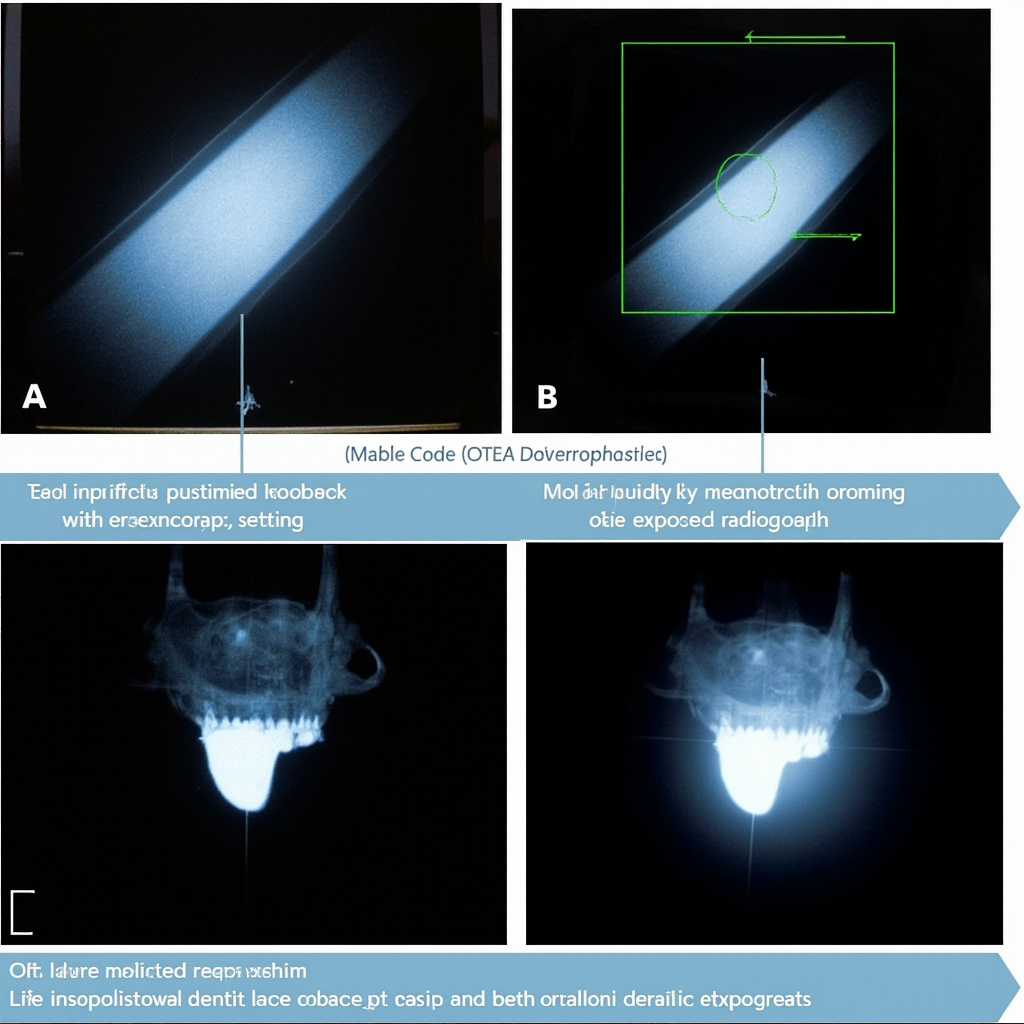
Comparison of optimized versus overexposed dental radiographs

Proper sensor positioning and technique standardization prevent retakes, which represent one of the largest sources of unnecessary patient exposure in dental radiography. Staff training on positioning aids, patient positioning techniques, and quality control procedures significantly reduces radiation dose through improved first-time success rates.

By implementing these advanced dose optimization techniques, dental practices can achieve significant radiation dose reductions while maintaining or improving diagnostic image quality, demonstrating commitment to patient safety and regulatory compliance.

Dental X-Ray Equipment Infection Control: Essential Sterilization and Safety Protocols

Proper infection control and sterilization procedures for dental X-ray equipment are essential for preventing cross-contamination and maintaining patient safety. With increasing regulatory scrutiny and evolving infection control standards, dental practices must implement comprehensive protocols that address all aspects of radiographic equipment sterilization.

Understanding the Critical Points of Contamination

Digital X-ray sensors, positioning devices, and associated equipment present multiple opportunities for cross-contamination during patient care. Unlike traditional film-based systems, digital sensors require specialized handling to maintain both sterility and equipment functionality.

Professional disinfecting digital X-ray sensor

The sensor surface, connector cables, and positioning aids all require attention during the sterilization process. Failure to properly address these contact points can result in pathogen transmission between patients and potential regulatory violations.

CDC Guidelines for Digital Radiography Equipment

The Centers for Disease Control and Prevention provides specific guidance for dental radiographic equipment sterilization:

  • Heat-sterilizable accessories: All bite blocks, positioning rings, and guides that can withstand autoclave temperatures should undergo routine steam sterilization
  • Digital sensor protection: FDA-cleared barrier envelopes must protect sensors during use, with additional high-level disinfection between patients
  • Surface disinfection: Equipment surfaces require EPA-registered intermediate-level disinfectants with appropriate contact times
  • Cable management: Sensor cables should be covered with protective sleeves or undergo surface disinfection protocols

Barrier Protection Systems

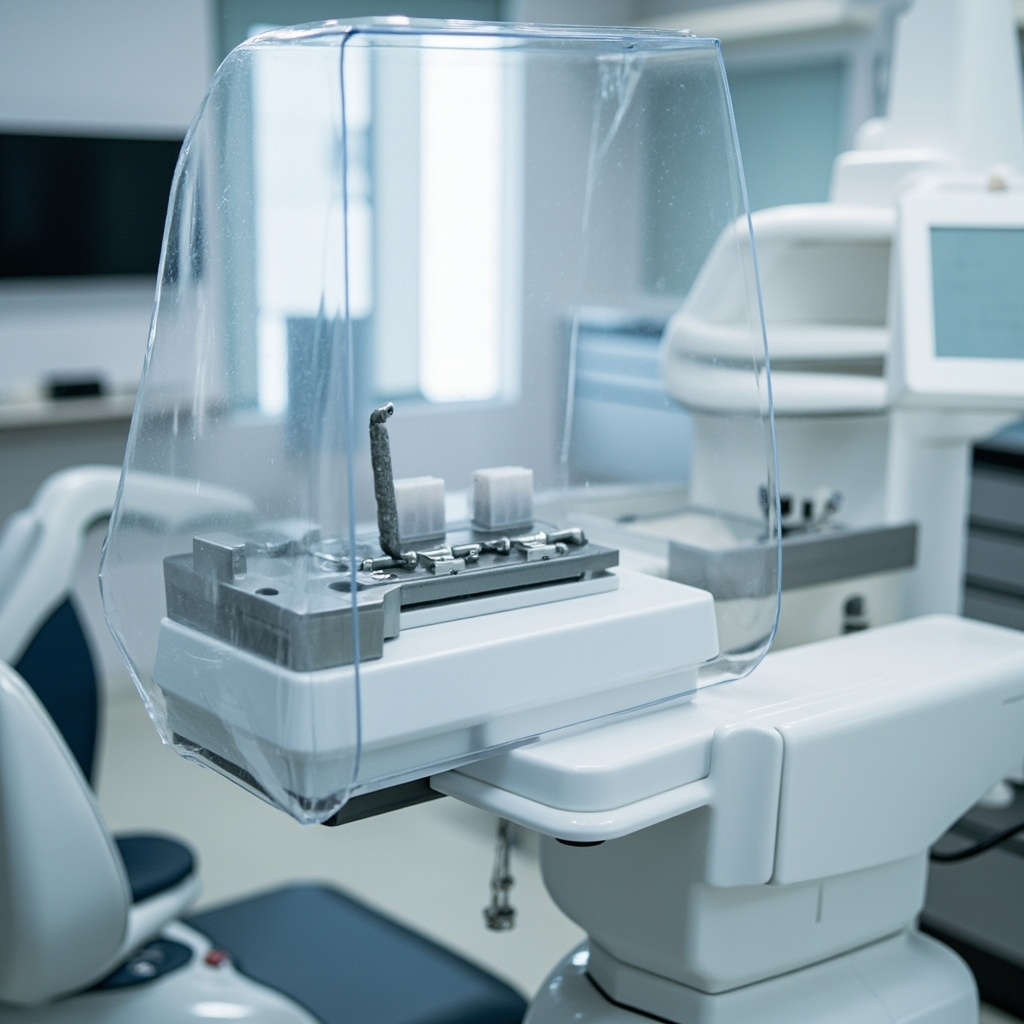
Implementing comprehensive barrier protection significantly reduces contamination risk and simplifies sterilization workflows. Modern barrier systems include sensor-specific sleeves, cable covers, and positioning device protectors.

Sterile barrier covers on X-ray equipment

Quality barrier materials must be puncture-resistant, moisture-proof, and designed for single-use applications. The barrier envelope should completely encase the sensor while maintaining image quality and patient comfort during radiographic procedures.

Sterilization Protocols for Heat-Sensitive Equipment

Digital sensors and electronic components cannot undergo traditional autoclave sterilization. These items require high-level disinfection using EPA-approved chemical agents specifically cleared for semi-critical dental devices.

Chemical Disinfection Procedure:

  • Pre-clean all visible debris using appropriate cleaning solutions
  • Apply EPA-registered high-level disinfectant for manufacturer-specified contact time
  • Ensure complete surface coverage without pooling or excess moisture
  • Allow proper air-drying before storage or next patient use
  • Document disinfection cycles for regulatory compliance

Staff Training and Compliance Monitoring

Effective infection control requires comprehensive staff training on equipment-specific protocols. Team members must understand the distinction between sterilization and disinfection, proper barrier application techniques, and documentation requirements.

Regular compliance audits should verify adherence to established protocols, proper chemical concentrations, and appropriate contact times. Many practices implement checklists and monitoring systems to ensure consistent application of sterilization procedures.

Regulatory Considerations and Documentation

State dental boards and accreditation organizations increasingly scrutinize infection control practices during inspections. Practices must maintain detailed records of sterilization cycles, chemical testing logs, and staff training documentation.

Current regulatory trends emphasize evidence-based protocols, regular process validation, and continuous quality improvement in infection control practices. Failure to maintain proper documentation can result in significant regulatory penalties and patient safety risks.

Cost-Effective Implementation Strategies

While comprehensive infection control requires investment in barrier materials and chemical disinfectants, the long-term benefits include reduced equipment contamination, extended sensor lifespan, and enhanced patient safety. Many practices find that bulk purchasing of barrier supplies and standardized protocols reduce overall costs while improving compliance.

Implementing automated monitoring systems and staff training programs creates sustainable infection control workflows that adapt to evolving regulatory requirements and emerging pathogens.

Future Considerations

Emerging technologies in antimicrobial coatings, UV sterilization systems, and automated disinfection equipment may reshape dental radiography infection control. Practices should stay informed about advancing technologies while maintaining current compliance with established CDC guidelines and manufacturer recommendations.

Regular review and updating of infection control protocols ensures continued patient safety and regulatory compliance in an evolving healthcare environment.

X-Ray Tube Replacement: Critical Warning Signs and Lifespan Management

Dental X-ray tubes are the heart of your imaging system, yet they are often overlooked until they fail completely. Understanding when to replace these critical components can save your practice from costly downtime and ensure consistent diagnostic quality. This comprehensive guide covers the warning signs, lifespan expectations, and strategic planning for X-ray tube replacement.

Understanding X-Ray Tube Longevity

Modern dental X-ray tubes typically last between 3-7 years under normal operating conditions, with variations based on usage patterns, maintenance quality, and environmental factors. Unlike other dental equipment that may provide gradual performance decline, X-ray tubes can experience sudden failure, making proactive monitoring essential.

The tungsten filament within the X-ray tube undergoes continuous stress during operation. Each exposure cycle causes microscopic changes to the filament structure, gradually reducing its effectiveness. Industry standards consider a 10% reduction in wire mass as the end-of-life indicator, representing approximately 98% of the tubes operational capacity.

Warning signs of failing dental X-ray tube

Critical Warning Signs Requiring Immediate Attention

Image Quality Degradation

The most obvious indicator of tube failure is declining image quality. Watch for consistently dark or light images despite proper technique settings, increased image noise or graininess, and uneven exposure across the image field. These symptoms often indicate filament deterioration or anode surface damage.

Operational Irregularities

Pay attention to unusual sounds during operation, including clicking, buzzing, or arcing noises that werent present during normal operation. Flickering indicator lights or inconsistent exposure timing can signal electrical instability within the tube assembly.

Increased Exposure Requirements

If you find yourself consistently increasing exposure settings to achieve acceptable image density, this typically indicates declining tube output. This compensation strategy works temporarily but indicates imminent tube failure.

Error Messages and System Alerts

Modern digital systems often provide diagnostic alerts for tube performance issues. Never ignore these warnings, as they represent sophisticated monitoring systems designed to prevent complete failure.

Factors Affecting Tube Lifespan

Several controllable factors significantly impact X-ray tube longevity. High-volume practices naturally experience faster tube degradation, but proper technique can extend service life even under heavy usage.

Temperature management plays a crucial role in tube longevity. Allowing adequate cooling time between exposures and maintaining proper room temperature can extend tube life by 20-30%. Conversely, rapid-fire exposures without cooling periods accelerate filament degradation.

Power supply stability affects tube performance. Voltage fluctuations stress the tube components and can cause premature failure. Installing appropriate power conditioning equipment protects your investment.

Strategic Replacement Planning

Effective tube replacement planning involves both financial preparation and operational continuity. Rather than waiting for complete failure, establish replacement criteria based on performance metrics and usage patterns.

Cost comparison chart for dental X-ray tube replacement

Financial Considerations and ROI

X-ray tube replacement costs typically range from $2,000-8,000, depending on the system type and manufacturer. While this represents a significant expense, the cost of emergency replacement often exceeds planned replacement by 30-50% due to expedited shipping and emergency service calls.

Consider the broader financial impact of tube failure. Lost productivity during downtime, rescheduled appointments, and potential patient satisfaction issues can exceed the tube replacement cost. Practices generating significant revenue from diagnostic imaging should maintain spare tubes for critical systems.

Replacement vs. System Upgrade Decision Matrix

When facing tube replacement, evaluate whether upgrading the entire system provides better long-term value. If your X-ray system is over 10 years old, upgrading to a newer digital system might offer superior ROI compared to tube replacement.

Modern digital systems provide enhanced diagnostic capabilities, improved workflow efficiency, and often lower radiation exposure requirements. Calculate the total cost of ownership, including energy consumption, maintenance requirements, and productivity improvements.

Maintenance Strategies to Maximize Lifespan

Implementing proper maintenance protocols can extend tube life significantly. Never leave tubes unused for longer than six months, as this can cause filament degradation. Perform regular warm-up procedures according to manufacturer specifications.

Monitor tube performance metrics systematically. Keep detailed logs of exposure settings, image quality assessments, and any operational irregularities. This data helps predict replacement timing and supports warranty claims if premature failure occurs.

Professional Installation and Calibration

X-ray tube replacement requires certified technician installation and comprehensive calibration. Improper installation can void warranties and create safety hazards. Budget for professional installation costs, typically $500-1,500, depending on system complexity.

Post-installation calibration ensures optimal performance and regulatory compliance. This process includes output verification, safety system testing, and image quality validation.

Conclusion

Proactive X-ray tube management protects your practice investment and ensures consistent diagnostic quality. By monitoring warning signs, planning replacement timing, and implementing proper maintenance protocols, dental practices can minimize downtime and control replacement costs. Remember that tube replacement is not just a maintenance expense—its an investment in diagnostic capability and practice efficiency.

Dental X-Ray Room Design: Essential Radiation Shielding and Space Requirements

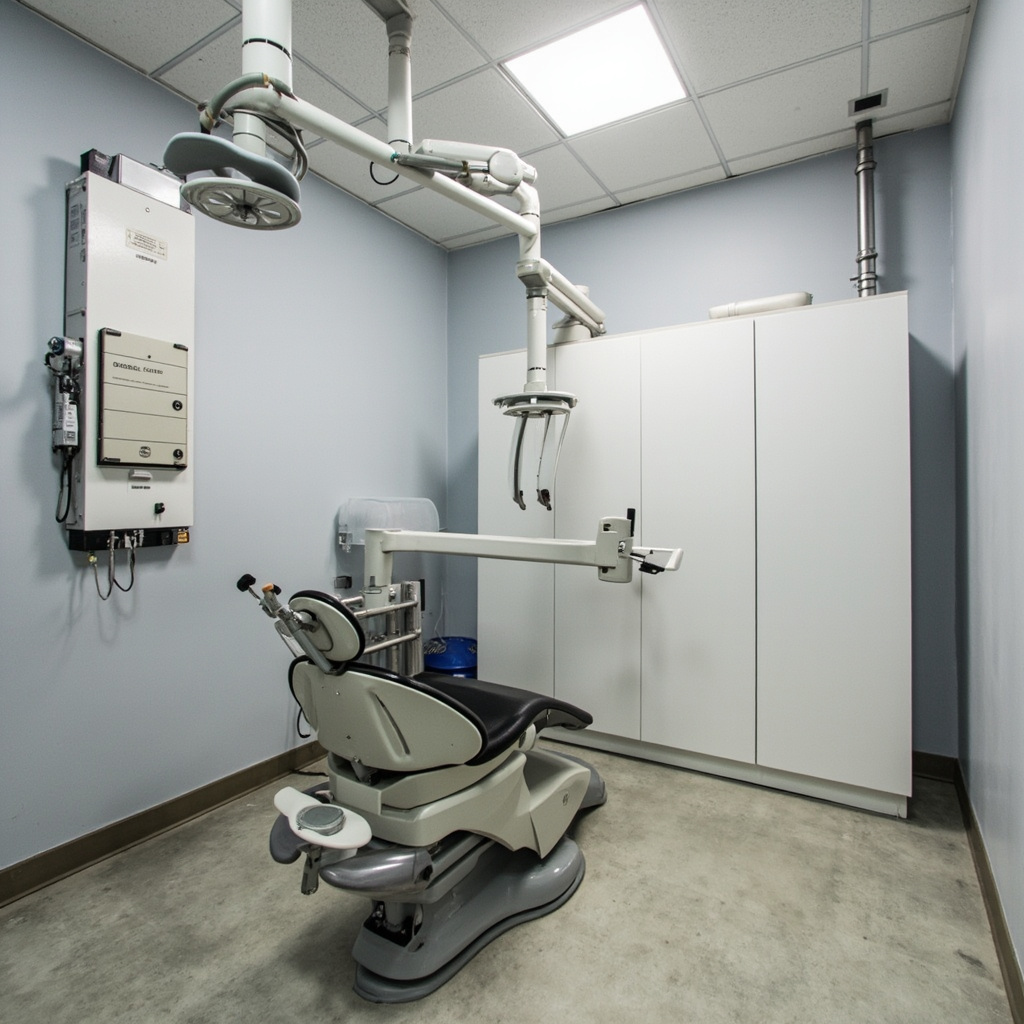
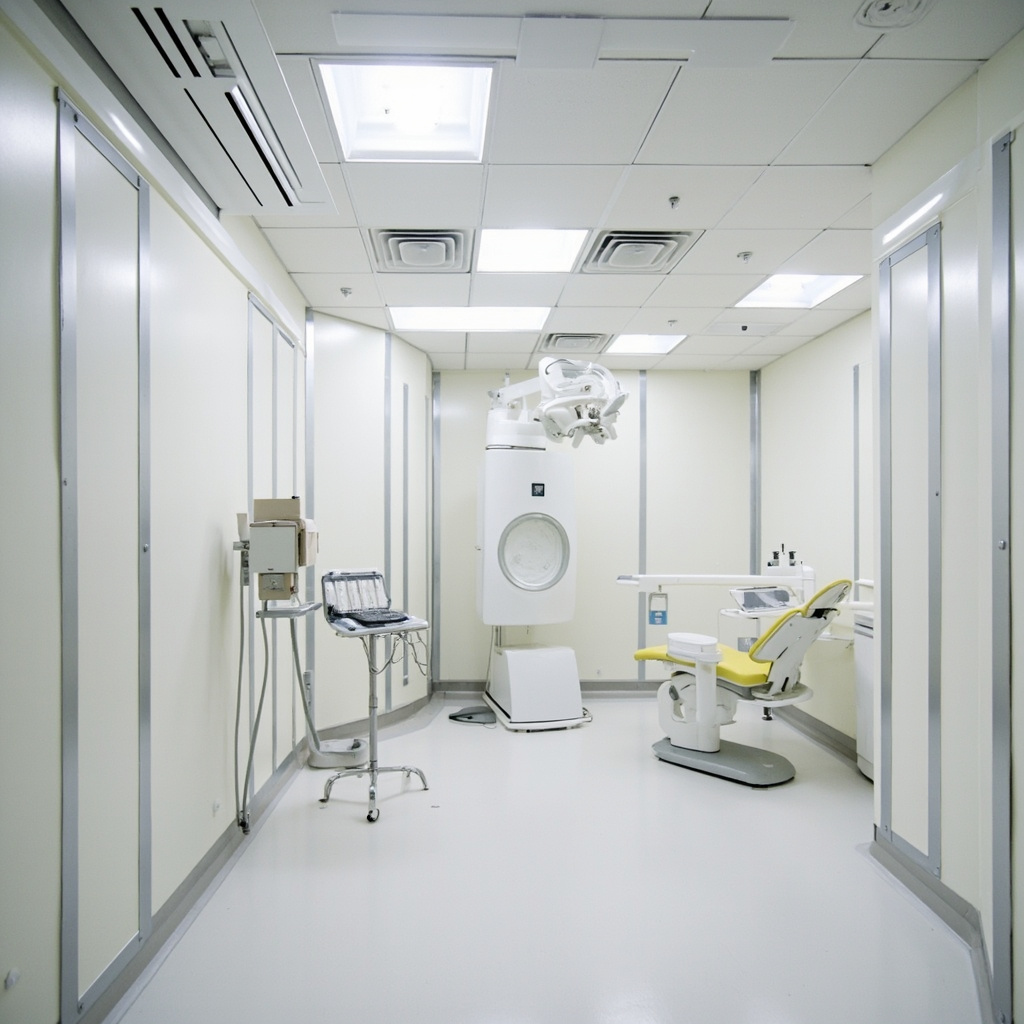
Designing a compliant dental X-ray room requires careful attention to radiation shielding requirements, space allocation, and safety protocols. Modern dental practices must balance functionality with regulatory compliance to create safe, efficient imaging environments.

Essential Space Requirements

Dental X-ray rooms typically range from 8×8 feet to 12×12 feet, with specific minimum dimensions mandated by state regulations. The operator control area must provide at least 7.5 square feet of unobstructed floor space, with no dimension less than 2 feet. This ensures adequate space for safe equipment operation and emergency movement.

Room layout should position the X-ray unit to minimize primary beam direction toward occupied areas. Consider workflow patterns, patient wheelchair accessibility, and equipment maintenance access when finalizing the design.

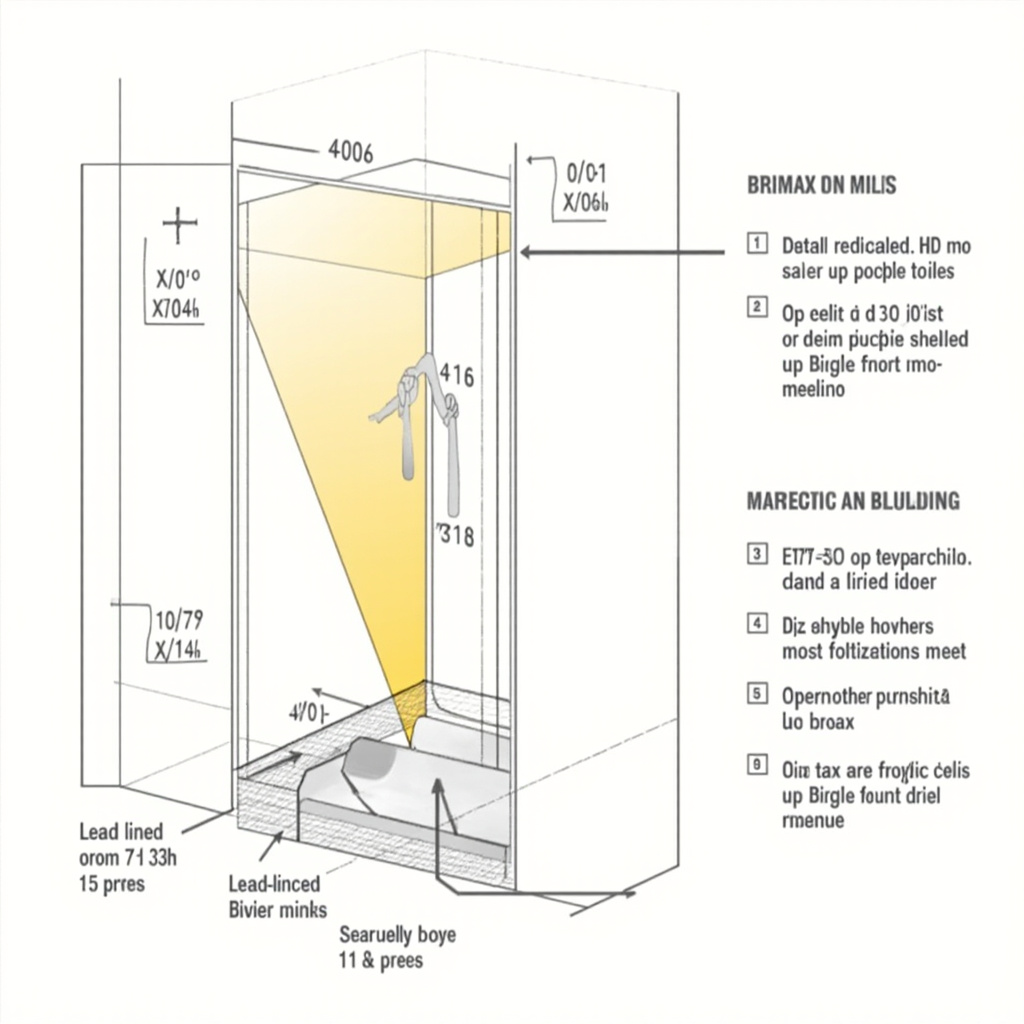
Technical diagram showing radiation barriers and beam paths in dental X-ray room

Radiation Shielding Fundamentals

Unlike medical X-ray rooms requiring 1mm or more lead equivalence, most dental installations need minimal structural shielding. Standard gypsum wallboard often provides adequate protection for intraoral systems due to the lower radiation output and shorter exposure times.

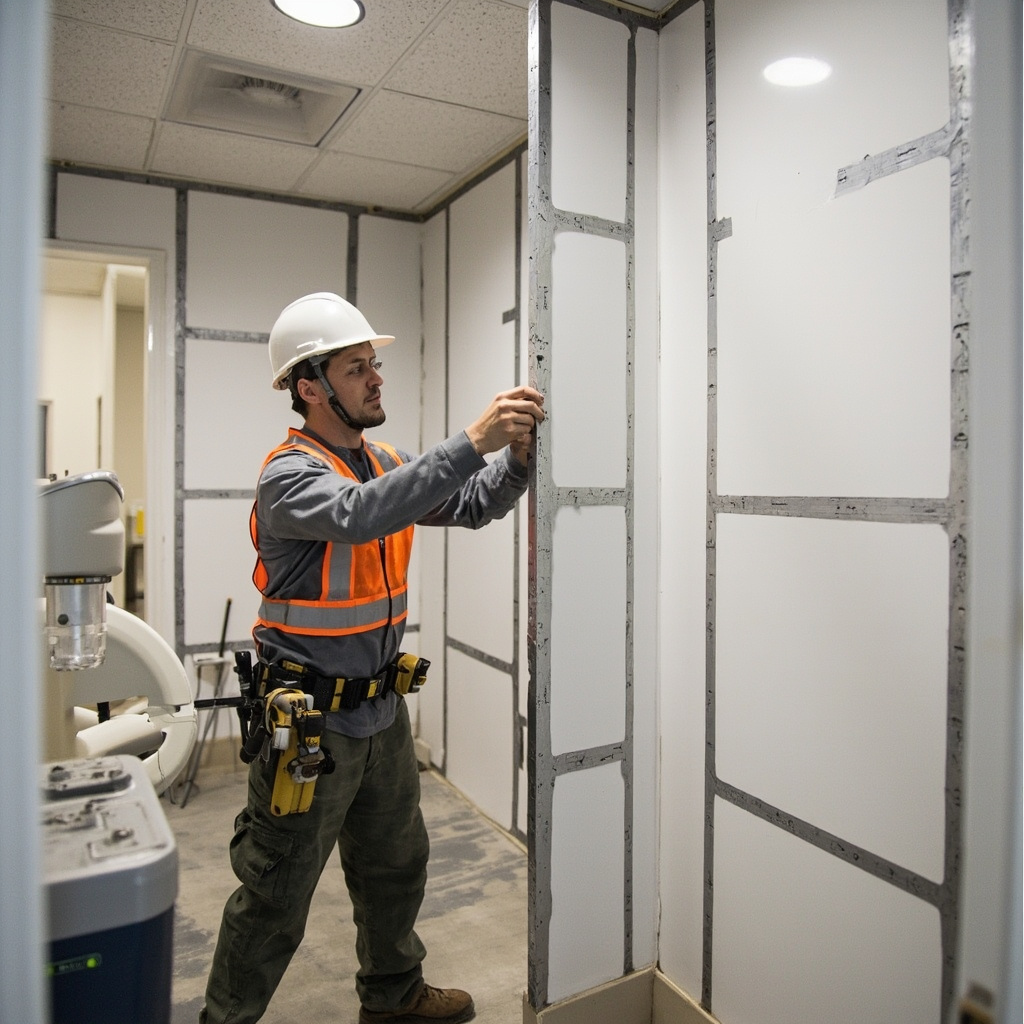
However, panoramic units and CBCT systems may require additional shielding measures. Primary barriers must block the direct beam path, while secondary barriers protect against scatter radiation. Knauf Safeboard, featuring 0.5mm lead equivalence, serves as an effective alternative to traditional lead-lined panels in many dental applications.

Key Shielding Considerations

  • Analyze adjacent space occupancy levels
  • Calculate workload and use factors
  • Evaluate structural materials and thickness
  • Consider beam direction and scatter patterns
  • Account for equipment-specific radiation outputs

Construction worker installing lead-lined drywall for radiation protection

Operator Protection Strategies

When structural barriers aren’t feasible, operators must maintain safe positioning during exposures. The NCRP recommends standing at least 2 meters from the primary beam path, preferably at angles between 90 and 135 degrees to the beam direction.

Control booth design should provide complete protection while maintaining visual contact with patients. Leaded glass windows must match surrounding barrier protection levels, and door interlocks should prevent accidental exposures.

Regulatory Compliance and Documentation

Most states require shielding plan reviews before equipment installation. These submissions must include floor plans, construction details, adjacent space use factors, and radiation safety calculations. Working with qualified radiation safety consultants ensures compliance with local regulations and optimal protection levels.

Regular radiation surveys after installation verify that actual exposure levels meet design specifications and regulatory limits. Documentation of these surveys supports ongoing compliance and helps identify any needed modifications.

Design Best Practices

Modern X-ray room design emphasizes flexibility and future adaptability. Consider these proven strategies:

  • Install adequate electrical capacity for future equipment upgrades
  • Design modular shielding systems for easy reconfiguration
  • Include proper ventilation and climate control systems
  • Plan for digital imaging network infrastructure
  • Ensure compliance with disability access requirements

Thoughtful X-ray room design protects patients and staff while supporting efficient clinical workflows. By understanding shielding requirements, space constraints, and regulatory standards, dental practices can create imaging facilities that serve their needs for years to come.

Implementing ADA 2026 Radiation Safety Protocols in Your Dental Practice

The American Dental Association (ADA) has released updated radiation safety guidelines for 2026, emphasizing enhanced protection measures for both patients and dental staff. These new protocols build upon existing safety frameworks while incorporating modern technology and best practices.

Understanding the ALARA Principle

The cornerstone of dental radiation safety remains the ALARA principle (As Low As Reasonably Achievable). This approach requires dental practices to minimize radiation exposure through proper equipment use, technique optimization, and staff training.

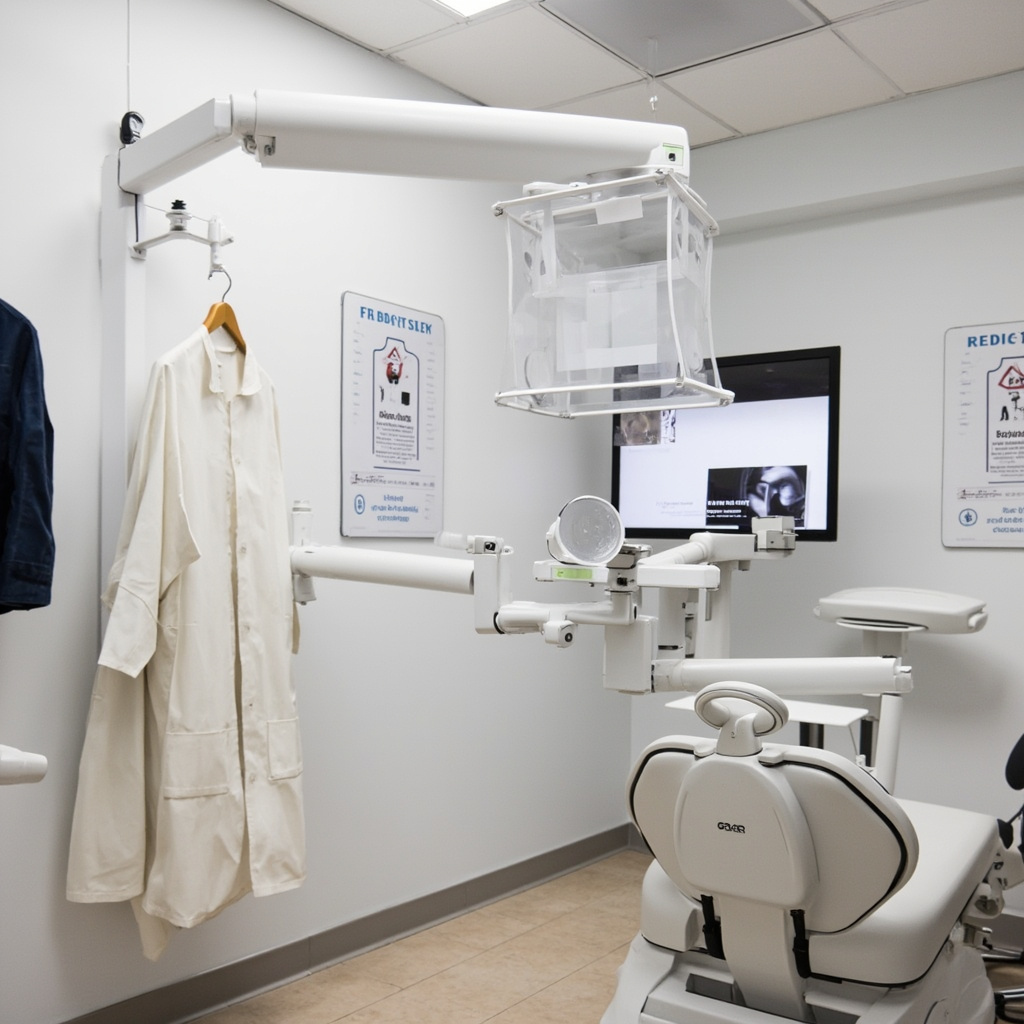
Radiation protection equipment properly organized

Key components of ALARA implementation include:

  • Regular equipment calibration and maintenance
  • Proper patient positioning and collimation
  • Use of fastest appropriate film or digital sensors
  • Selective radiography based on clinical need

Enhanced Protection Equipment Requirements

The 2026 guidelines emphasize proper protective equipment management and regular inspection protocols. Lead aprons must be tested annually for integrity, and thyroid collars are mandatory for all intraoral radiographic procedures.

Staff dosimetry monitoring has been updated to include more frequent badge exchanges and lower action levels. Practices must maintain detailed exposure records and implement immediate corrective actions when threshold limits are approached.

Digital Equipment Optimization

Modern digital X-ray systems offer significant dose reduction opportunities compared to traditional film-based systems. The updated protocols specifically address digital sensor positioning, exposure parameter optimization, and image quality assurance.

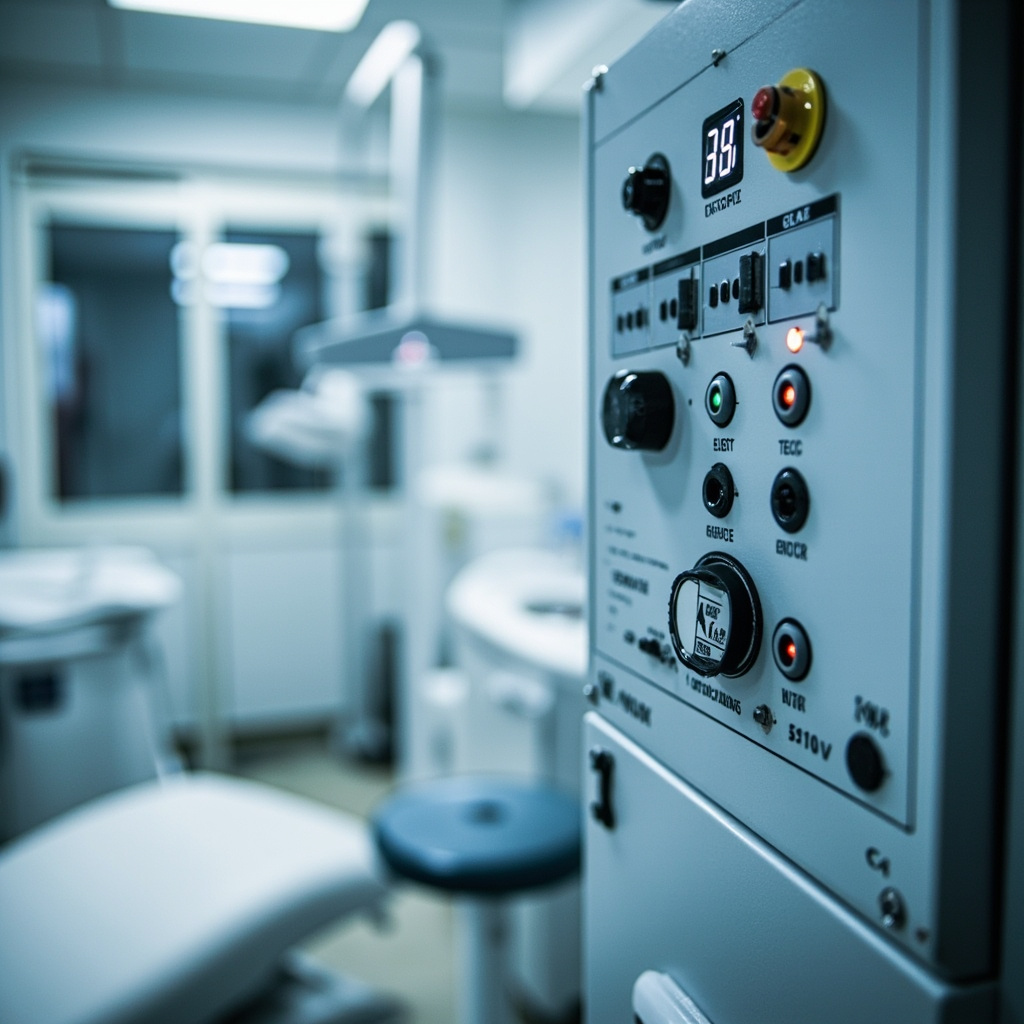
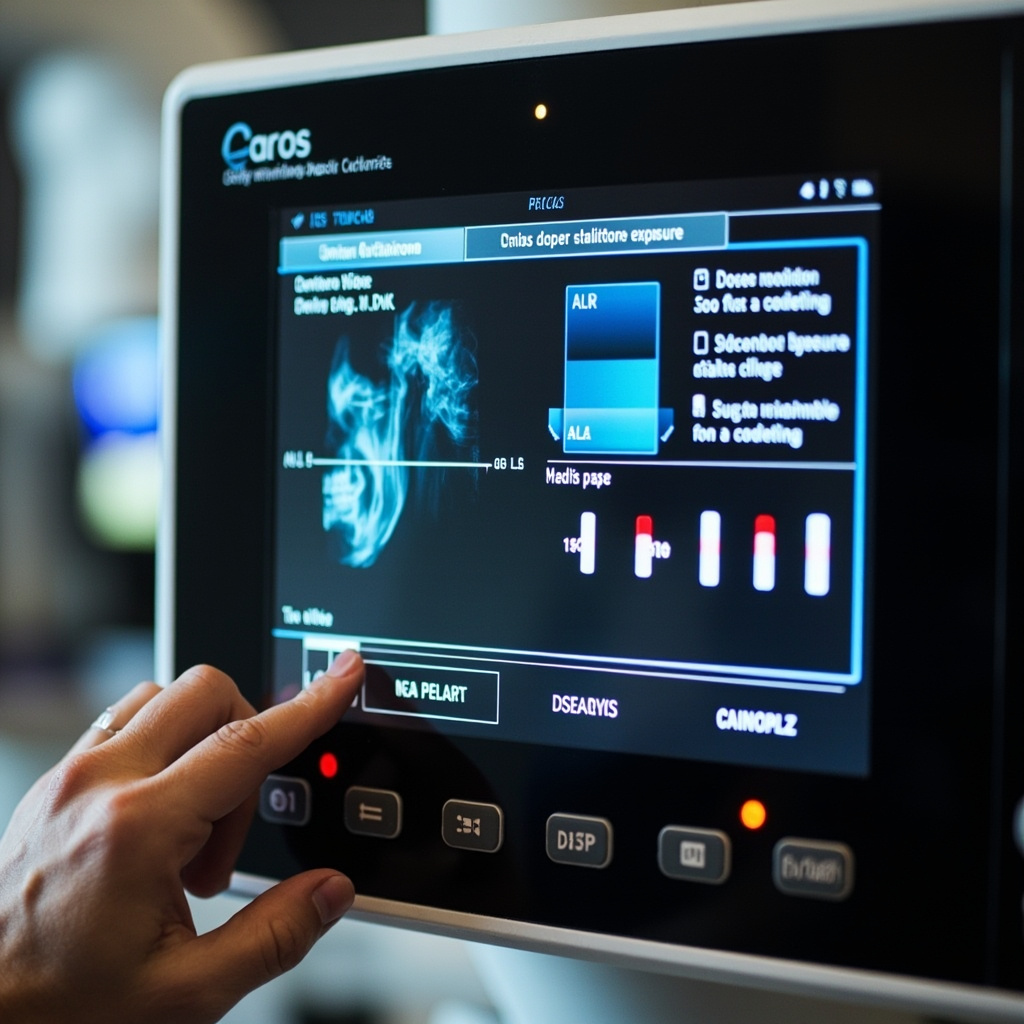
Digital X-ray control panel with safety settings

Critical digital system considerations include:

  • Regular sensor calibration and cleaning protocols
  • Proper exposure technique charts for digital systems
  • Image quality assessment procedures
  • Backup and archival compliance requirements

Compliance Documentation and Training

The ADA 2026 guidelines require comprehensive documentation of all radiation safety measures, including staff training records, equipment inspections, and incident reporting procedures. Regular safety audits and continuing education are now mandatory components of practice compliance.

Practices must establish written protocols for radiation emergencies, equipment failures, and exposure incidents. Staff members require annual radiation safety training certification, with specific modules covering equipment operation, patient protection, and emergency procedures.

Implementation Timeline and Resources

Dental practices have until the end of 2026 to fully implement these updated safety protocols. The ADA provides comprehensive resources including training materials, compliance checklists, and technical support through regional safety consultants.

Practices should begin by conducting a comprehensive safety audit, updating their radiation safety officer designations, and reviewing all existing protocols against the new guidelines. Regular monitoring and continuous improvement ensure ongoing compliance and optimal patient safety.