Dental X-Ray Equipment Workflow Integration and Efficiency Optimization

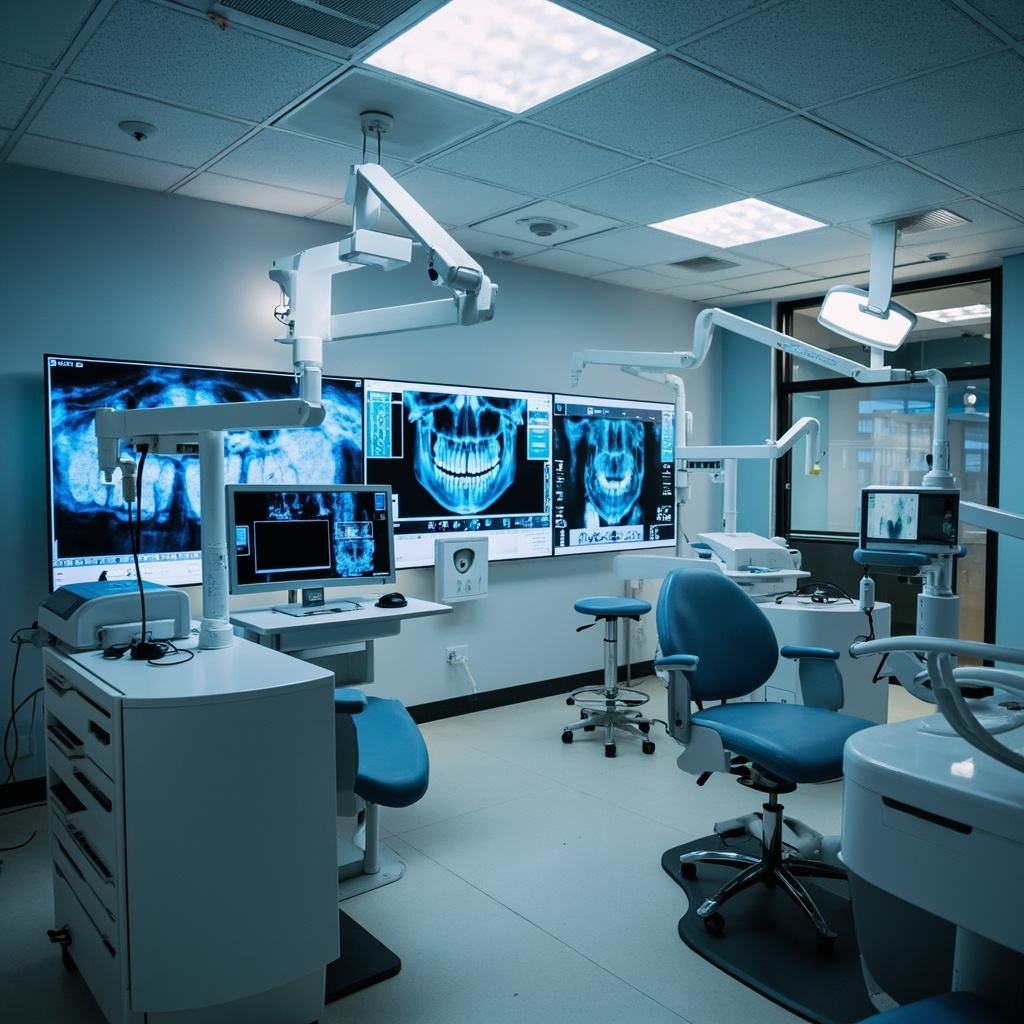
Modern dental practices face increasing demands for efficiency while maintaining exceptional patient care standards. Digital X-ray equipment workflow integration has emerged as a critical factor in practice optimization, with studies showing that properly integrated systems can reduce imaging time by up to 40% while improving diagnostic accuracy.
Understanding Workflow Integration Challenges
Traditional dental X-ray workflows often involve multiple disconnected systems that create bottlenecks and inefficiencies. Common pain points include manual data entry, incompatible software platforms, and fragmented patient records that require technicians to navigate between multiple applications during a single imaging session.
The 2026 dental technology landscape demands seamless integration between X-ray hardware, practice management software, and diagnostic tools. Practices utilizing integrated workflows report significant improvements in both patient throughput and staff satisfaction.
Key Components of Optimized X-Ray Workflows
Automated Patient Data Transfer
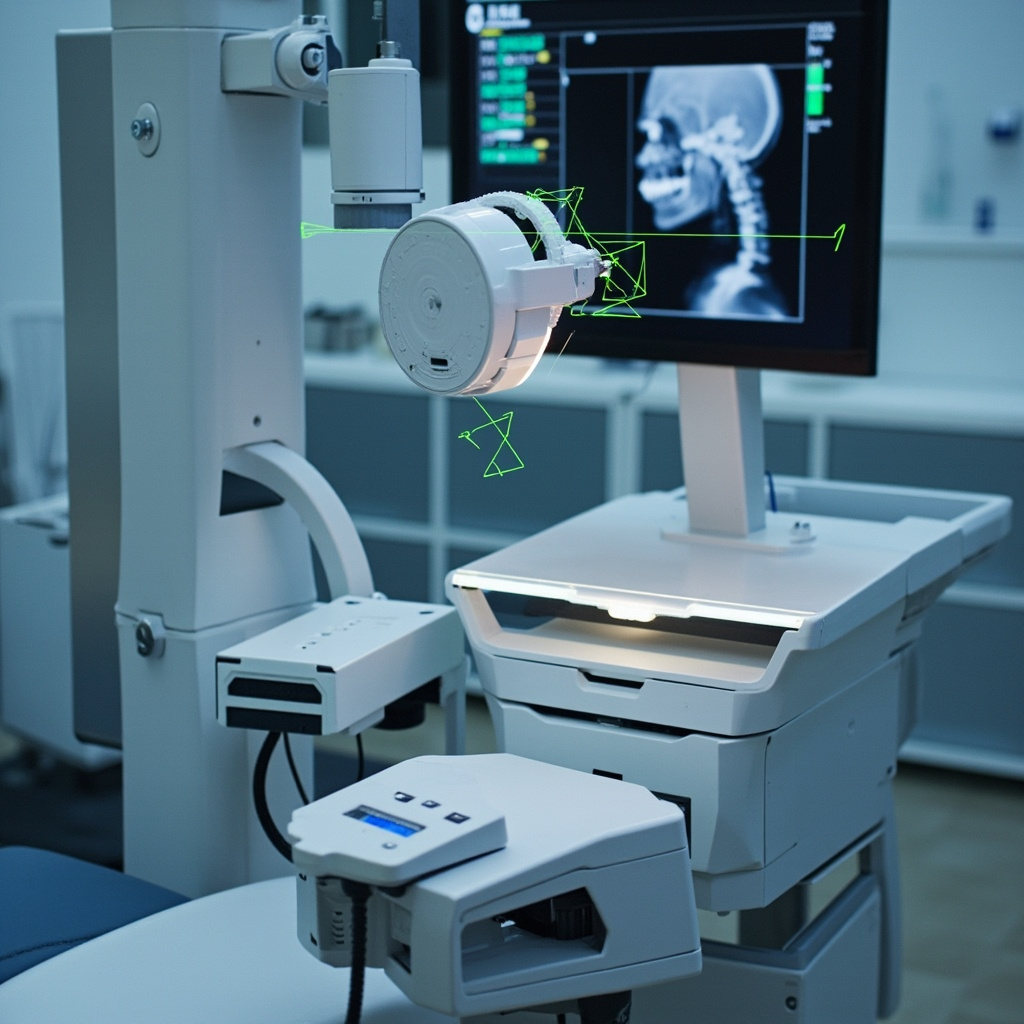
Modern dental X-ray systems should automatically populate patient information from practice management software, eliminating manual entry errors and reducing setup time. DICOM compliance ensures seamless data exchange between imaging equipment and storage systems.
Real-Time Quality Assessment
Integrated quality control systems provide immediate feedback on image quality, allowing for immediate retakes when necessary rather than discovering issues during review. This reduces patient recall appointments and improves first-pass success rates.
Streamlined Image Processing
Automated image enhancement and processing algorithms can improve diagnostic quality while reducing the time radiographers spend on manual adjustments. Advanced systems learn from user preferences to optimize processing parameters automatically.
Measuring and Improving Workflow Efficiency
Successful workflow optimization requires comprehensive metrics tracking and analysis. Key performance indicators include image acquisition time, processing duration, and integration points between systems.

Essential Efficiency Metrics
- Patient throughput time: Total time from patient positioning to completed radiograph
- System integration delays: Time lost during data transfer between systems
- Retake rates: Percentage of images requiring additional exposures
- Staff utilization: Optimal allocation of radiographer time and responsibilities
Implementation Best Practices
Begin workflow optimization with a comprehensive audit of current processes, identifying specific bottlenecks and integration gaps. Prioritize high-impact improvements that address the most significant time delays or error sources.
Staff training is crucial for successful implementation. Ensure all team members understand new workflows and can troubleshoot common integration issues. Regular refresher training sessions help maintain optimal efficiency levels.
Future-Proofing Your X-Ray Workflow
The dental technology landscape continues evolving rapidly. Select X-ray equipment and software platforms that support open standards and API integration to ensure compatibility with future innovations.
Cloud-based solutions offer enhanced flexibility and scalability, allowing practices to adapt workflows as patient volume grows. Consider systems that support artificial intelligence integration for automated diagnosis assistance and predictive maintenance.
Regular workflow assessments and updates ensure your practice maintains peak efficiency as technology advances and patient expectations evolve.