Dental X-Ray Tube Aging and Performance Degradation: Diagnostic Testing and Replacement Criteria

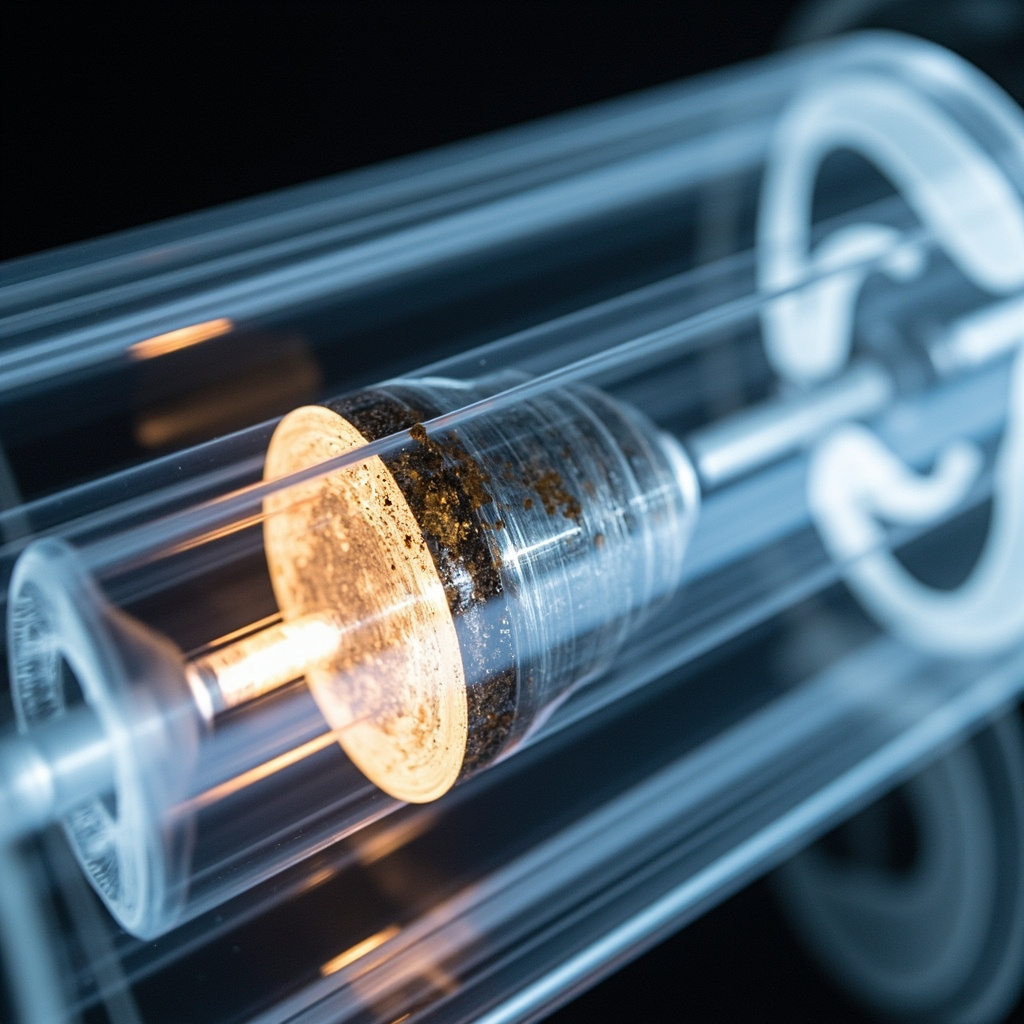
Dental X-ray tubes are critical components that gradually degrade over time, affecting image quality and exposure consistency. Understanding the signs of tube aging and implementing proper diagnostic testing protocols ensures optimal radiographic performance and prevents unexpected equipment failures.
Understanding X-Ray Tube Aging Mechanisms
X-ray tube deterioration occurs through several distinct mechanisms that impact both the cathode filament and tungsten anode target. The primary aging factors include:
- Tungsten evaporation – High-temperature operation causes tungsten atoms to migrate from the anode target, gradually reducing output efficiency
- Filament degradation – Repeated heating cycles cause cathode filament thinning and eventual burnout
- Anode pitting – Electron bombardment creates microscopic craters on the tungsten target surface
- Glass envelope deposits – Evaporated tungsten creates a metallic film on the tube housing interior
These degradation processes typically manifest after 50,000 to 100,000 exposures, depending on usage patterns and maintenance protocols.

Performance Testing and Diagnostic Procedures
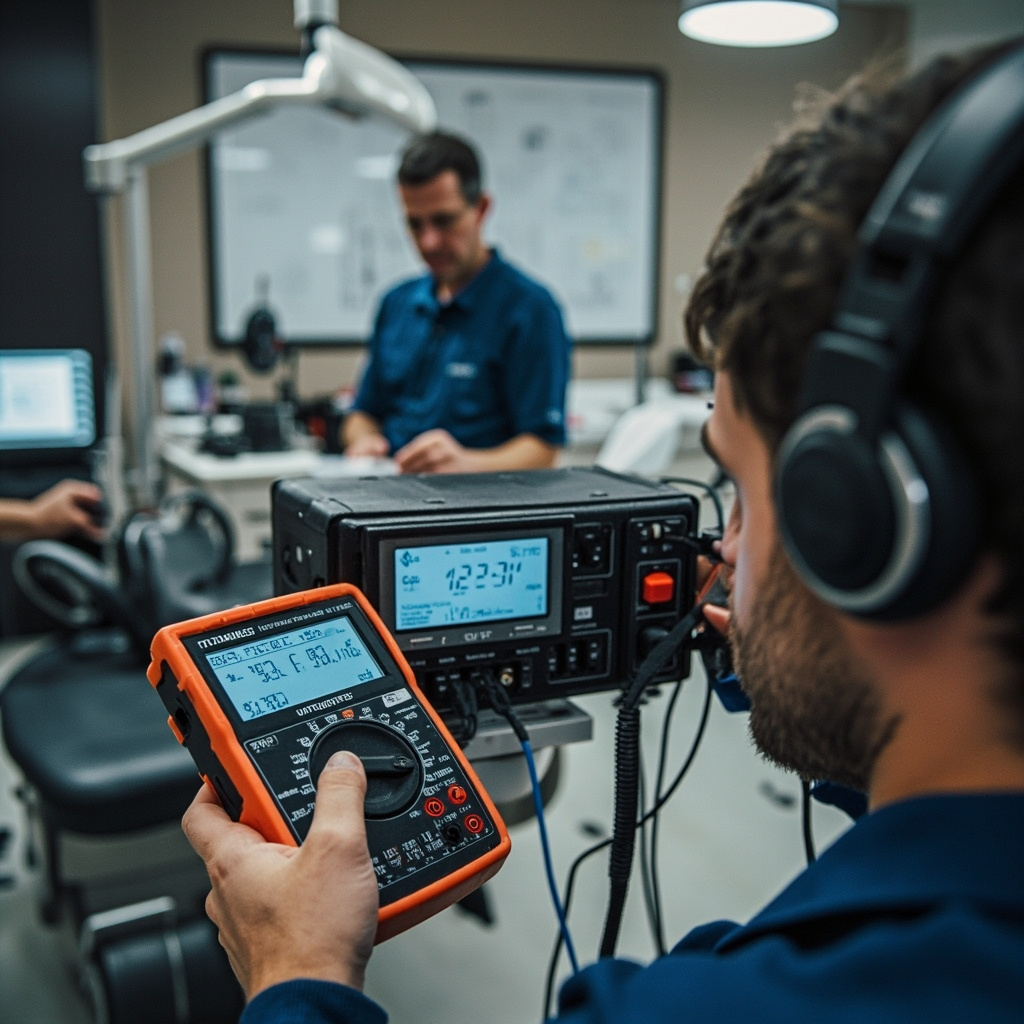
Regular performance monitoring identifies tube degradation before it affects clinical operations. Essential diagnostic tests include:
kVp Output Verification
Use calibrated kVp meters to measure actual output against control panel settings. Variations exceeding ±5% indicate potential tube aging or high-voltage generator issues. Document readings monthly and track trends over time.
Exposure Time Accuracy Testing
Verify exposure timer accuracy using digital timing devices. Aging tubes often require longer exposure times to achieve consistent density, indicating reduced output efficiency.
Half-Value Layer (HVL) Measurement
HVL testing determines beam quality and filtration effectiveness. Decreasing HVL values may indicate tungsten target deterioration or improper filtration.
Replacement Decision Criteria
Multiple factors determine when X-ray tube replacement becomes necessary:
- Output decline – Greater than 20% reduction from baseline measurements
- Exposure consistency – Variations exceeding 10% between identical settings
- Image quality degradation – Increased noise, reduced contrast, or artifacts
- Safety compliance – Failure to meet regulatory radiation output requirements
Cost-Benefit Analysis
Consider replacement when repair costs exceed 60% of new tube value, or when productivity losses from inconsistent performance impact patient throughput.
Extending Tube Life Through Proper Operation
Implement these practices to maximize tube longevity:
- Warm-up procedures – Allow proper filament heating before high-demand exposures
- Exposure optimization – Use lowest practical kVp and mAs settings for adequate image quality
- Cooling periods – Avoid rapid successive exposures that exceed anode heat capacity
- Environmental control – Maintain stable temperature and humidity in equipment rooms
Regular maintenance scheduling and performance documentation ensure optimal equipment utilization while maintaining consistent radiographic quality throughout the tube’s operational life.